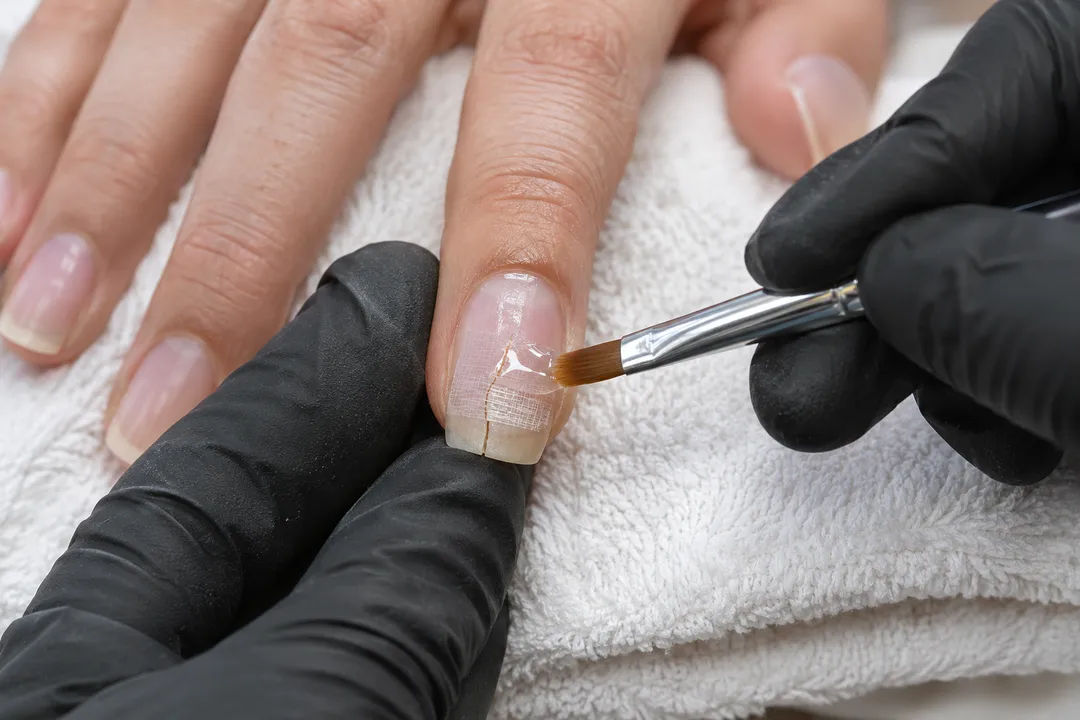
 Los Feliz Nail Salon Walk In Finder for Broken Nail Repair
Neighborhood Guides
West Hollywood Neighborhood Historical Walking Tour: Strip
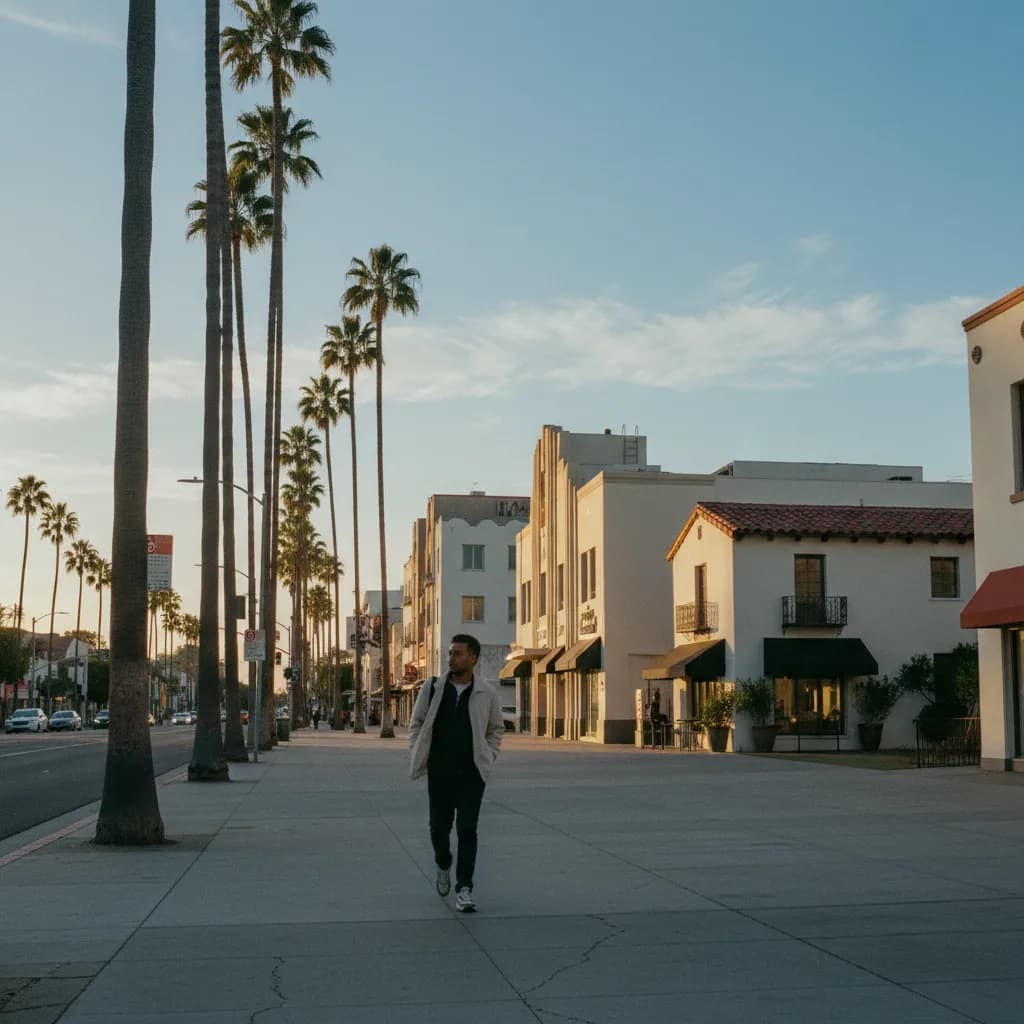
This free West Hollywood history walk covers the Sunset Strip clubs, the 1922 Schindler House, the Pacific Design Center and old Route 66 on Santa Monica Blvd.
West Hollywood only became a city in November 1984, but the land inside its two square miles has hosted Hollywood's after-hours life since the 1920s, largely because it sat outside Los Angeles city police jurisdiction. This neighborhood historical walking tour runs from the Sunset Strip's nightclubs down to old Route 66 on Santa Monica Boulevard, with a modernist house and a glass design center between them. It is free, about three miles, and steep only at the start.
Chateau Marmont and the Old Strip
Begin at the eastern end of the Sunset Strip, where Chateau Marmont rises above the boulevard. Built in 1929 and modeled loosely on a French castle, it began as an apartment building and became a hotel favored by actors who wanted privacy. The hotel is private, so view it from the sidewalk. Across the street once stood the Garden of Allah, a villa compound for writers and stars that was demolished in 1959.
Look closely at the hillside walls and stairways as you go. Many of the apartment buildings above the Strip date from the late 1920s and were designed in Spanish Colonial and French Norman styles to suit tenants from the studios. Narrow public stairways and steep lanes link them to the boulevard, and walking a block uphill on any side street gives you a calmer view of the old buildings.
In the 1930s and 1940s, the unincorporated Strip was policed by the county sheriff, and nightclubs with big bands, gambling rooms and celebrity patrons flourished. Ciro's, one of the most glamorous, operated at a site that is now The Comedy Store, still running as a comedy club. Walk west and the low hills on the north side show how the clubs were perched above the flats, where the city lights spread out below.
Rock Clubs and the 1966 Curfew Protests
Keep walking west to the stretch where the Whisky a Go Go opened in 1964 and the Roxy followed in 1973. The Doors, Buffalo Springfield and countless punk and metal bands built their careers in these rooms. In November 1966, young people protesting a strict curfew gathered outside a club called Pandora's Box, and the clashes with police became known as the Sunset Strip curfew riots, later echoed in a Buffalo Springfield song.
Today the clubs still host shows at night, but in daylight the block is quiet except for tourists photographing the marquees and musicians loading in gear. Honest advice: skip the western end of the Strip if your interest is history rather than billboards; once you pass the Roxy, the boulevard is mostly modern hotels, offices and giant digital signs, and the walk downhill toward Santa Monica Boulevard is more rewarding.
The Schindler House on Kings Road
Walk south on one of the residential side streets and head to Kings Road. Here architect Rudolph Schindler built a house for two couples in 1922, with concrete tilt-up walls, sliding canvas panels, outdoor sleeping porches and no traditional bedrooms. It is considered one of the first modern houses in the United States, and it now serves as the MAK Center for Art and Architecture, which runs exhibitions inside.
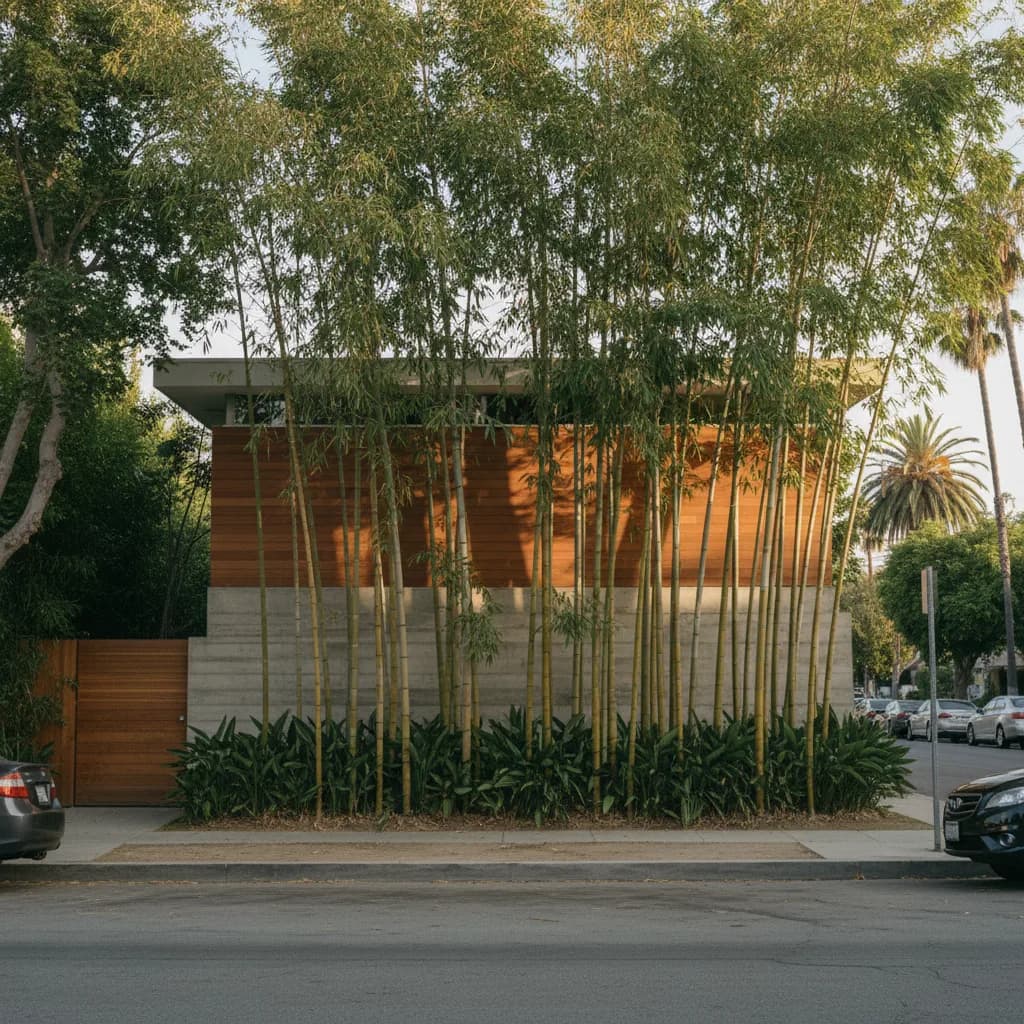
Admission to the house is ticketed and the hours are limited, so check before you arrive; from the street you can see only the bamboo hedge and part of the roofline. The surrounding blocks of 1920s and 1930s apartment courts are worth a slow look, with Spanish Colonial stucco, tiled fountains and tiny gardens. These courts housed many studio workers and later many of the gay residents who helped found the city.
The Pacific Design Center and Melrose
Continue south toward Melrose Avenue and the Pacific Design Center, the glass complex that locals call the Blue Whale. Architect Cesar Pelli designed the blue building, which opened in 1975, followed by a green building in 1988 and a red one in 2012. The complex is a design industry hub, and its plaza and outdoor spaces are open to the public, while most showrooms serve designers and trade buyers.
Melrose Avenue and Robertson Boulevard around the center form the city's design quarter, where showrooms, galleries and boutiques occupy low 1920s and 1930s storefronts. Expect interior designers carrying fabric samples, personal shoppers and tourists hunting for celebrity sightings on Robertson. If the sidewalks near the most famous shops feel crowded, walk the quieter blocks of Melrose Place, a short leafy street lined with small courtyard buildings.
Route 66 and the Rainbow Crosswalks
Finish on Santa Monica Boulevard, which for decades carried the final stretch of U.S. Route 66 toward the ocean. Near Formosa Avenue on the city's east side, a studio lot that Mary Pickford and Douglas Fairbanks took over in the early 1920s still operates, and the Formosa Cafe across the street has served film crews since 1939, partly inside an old Pacific Electric streetcar. Walk west to the center of the city's LGBTQ nightlife, around San Vicente Boulevard.
At the intersection of Santa Monica and San Vicente Boulevards, rainbow crosswalks painted in 2012 mark the heart of the neighborhood, which hosts one of the largest Pride celebrations on the West Coast each June. The bars along this stretch are busy at night and calm in the morning, when you will see joggers, dog walkers and residents having coffee on the patios. It is the most fitting place to end a walk about a city founded by its residents.
Getting Around and a Short Version
Metro buses run along Sunset and Santa Monica Boulevards, and the city operates a free shuttle on some evenings and weekends. Parking is metered and scarce, especially near the Strip after dark. The route starts on a slope; walking downhill from Sunset to Santa Monica is far easier than the reverse, so plan to begin at the top and finish on the flat, then catch a bus back.
For a shorter version, walk the Sunset Strip from Chateau Marmont to the Roxy and then descend to the Pacific Design Center, which covers the nightlife and design chapters in about ninety minutes. Ask Karpo APP to schedule the stops around a Schindler House visit and lunch on Melrose, and it will suggest an order that fits your day. Every stop here is a public sidewalk, plaza or street view.
Ask Karpo for more information.
Keep reading
- Los Feliz Nail Salon Walk In Finder for Broken Nail Repair
 Highland Park Nail Salon Walk In Finder for Retro Manicures
 Koreatown Nail Salon Walk In Finder for K-Beauty Nail Looks