 Los Feliz Nail Salon Walk In Finder for Broken Nail Repair
Neighborhood Guides
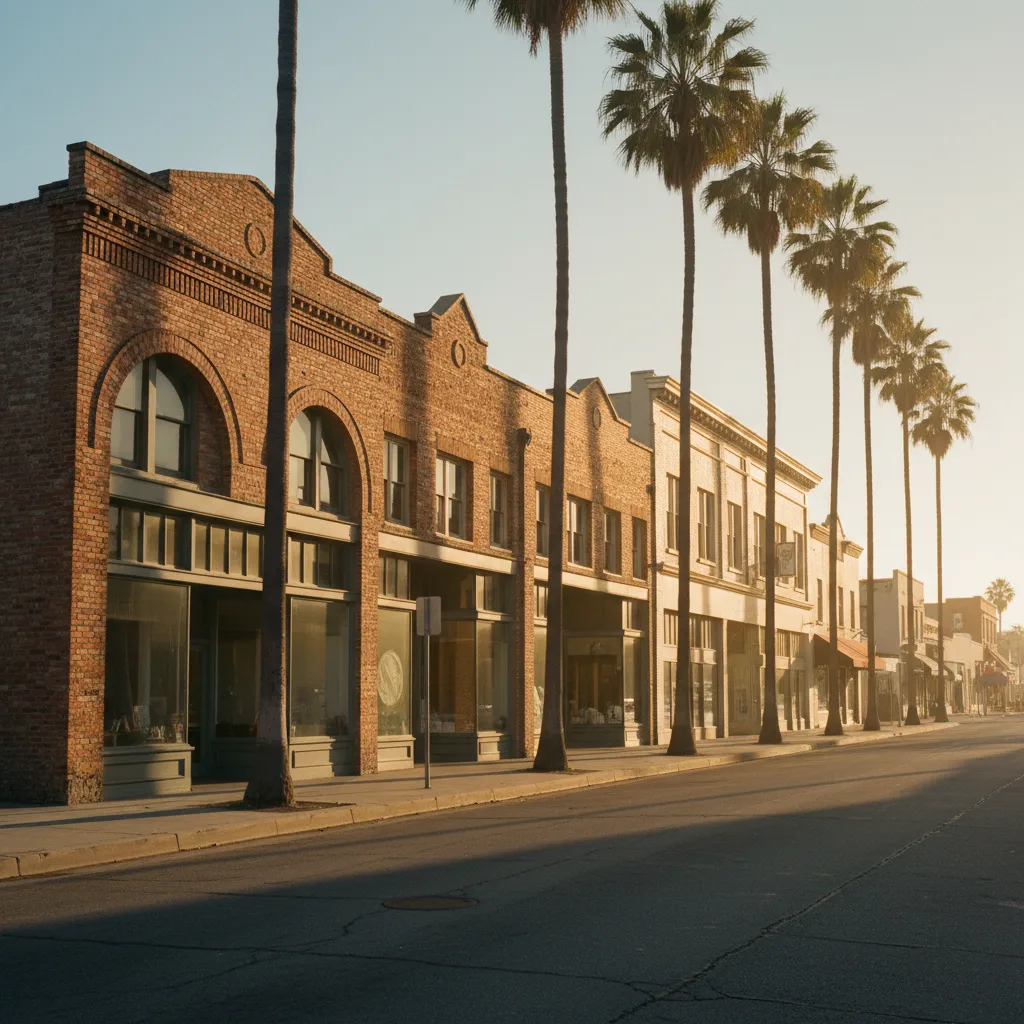
Venice: An Abbot Kinney Neighborhood Historical Walking Tour
Explore the Venice Abbot Kinney corridor with free self-guided walks. Track century-old canal bridges, vintage craftsman cottages, and historic brick facades.
Abbot Kinney Boulevard began in 1905 as the foundational commercial spine of founder Abbot Kinney's ambitious Venice of America coastal development. Located in western Los Angeles near 1601 Main Street and Venice Boulevard, this celebrated thoroughfare preserves early twentieth-century civic and commercial architecture alongside century-old residential enclaves. A neighborhood historical walking tour along Abbot Kinney Boulevard reveals beautifully restored red-brick facades, Craftsman bungalow streets, and tranquil pedestrian corridors that connect directly to the historic Venice Canal network. Exploring this historic coastal district on foot allows urban walkers to experience Southern California's rich resort heritage, artistic counterculture history, and distinctive seaside urban planning away from busy commuter avenues.

Origins of Venice of America in 1905
The historical evolution of Venice began in July 1905 when visionary developer Abbot Kinney opened his Italian-inspired seaside resort to the public. Kinney envisioned a cultural and intellectual haven modeled after Venice, Italy, complete with miles of saltwater canals, imported gondolas, and ornate Venetian-style colonnades along the Pacific shoreline. Although the majority of the original resort waterways were filled and paved in 1929 to accommodate the rapid rise of automotive transport, Abbot Kinney Boulevard retains the underlying pedestrian street layout of that early development. Walking southwest from Venice Boulevard toward Washington Boulevard highlights how early utilitarian warehouses, neighborhood meeting halls, and timber beach cottages gradually transformed into one of the most culturally vibrant streetscapes in Los Angeles County.
Architectural Heritage on Abbot Kinney Boulevard
The architecture lining Abbot Kinney Boulevard provides an open-air archive of Southern California building trends spanning more than a century. Historic brick commercial structures constructed between 1910 and 1930 feature decorative brick corbels, recessed entryways, and restored plate-glass display windows designed to capture maritime daylight. Tucked between commercial storefronts stand well-preserved California Craftsman bungalows and rustic beach cottages featuring exposed timber rafter tails, natural cedar shingles, and shaded wooden porches. The deliberate preservation of these human-scaled building heights creates an inviting pedestrian atmosphere where historic facades harmonize with tall palm trees, leafy jacarandas, and ocean air.
Exploring the Historic Venice Canals Loop
Taking a brief detour eastward from Abbot Kinney Boulevard leads directly into the Venice Canal Historic District, officially listed on the National Register of Historic Places. Excavated in 1905, the surviving network of four east-west waterways—Carroll Canal, Linnie Canal, Howland Canal, and Sherman Canal—connected by Grand Canal and Eastern Canal, forms an exceptional pedestrian loop. Strolling along the public canal sidewalks reveals charming arched wooden bridges, small non-motorized watercraft moored at private docks, and a captivating mix of 1920s beach shanties and modern architectural homes. Pausing on the pedestrian bridges offers scenic vantage points across peaceful waters, nesting herons, and meticulously landscaped shoreline gardens that feel worlds away from metropolitan bustle.
The Walk Streets of South Venice
Immediately west of Abbot Kinney Boulevard lie the historic Venice Walk Streets, including Crescent Place, Amoroso Place, and Marco Place. Established in the early 1910s as dedicated pedestrian residential corridors, these narrow avenues are completely closed to vehicular traffic, with private garages accessed exclusively through rear service alleys. Walking these quiet pathways offers visitors an intimate view of classic bungalow architecture, flowering bougainvillea trellises, and historic brick walking strips. This innovative garden-city urban design prioritized pedestrian tranquility and community interaction, remaining one of the most influential and successful early residential planning experiments in Los Angeles.
Windward Avenue and the Italianate Colonnade
Continuing northwest along Main Street brings visitors toward Windward Avenue, where the surviving 1905 Venice colonnade stands as a grand architectural reminder of the city's resort origins. Massive cast-stone columns adorned with classical Venetian-Gothic capitals line the sidewalks where Pacific Electric red car trolleys once deposited weekend crowds arriving from downtown Los Angeles. Nearby at 1601 Main Street, the landmark brick building that housed the historic Venice Post Office and former municipal offices anchors the administrative center of the community before its 1925 annexation into the City of Los Angeles. Standing beneath the shaded porticoes provides a tactile connection to the civic optimism and leisure culture that shaped the early twentieth-century California coastline.
Pedestrian Etiquette and Neighborhood Navigation
A successful historical walking tour through Venice relies on respectful awareness of local residential neighborhoods and delicate canal ecosystems. Because the canal footpaths and walk streets run directly alongside private homes, visitors should stay on public paved paths, speak quietly, and refrain from stepping onto private docks or residential stairways. Bicycles, rollerblades, and motorized scooters are strictly restricted on the narrow canal pathways, maintaining a safe and peaceful walking environment for pedestrians and local residents alike. Using the Karpo APP on your smartphone makes it simple to follow self-guided route waypoints, identify designated public walkways, and pace your historical exploration comfortably.
Adjacent Cultural Corridors and Coastal Trails
Extending your walking excursion beyond Abbot Kinney Boulevard connects you to several notable cultural landmarks and scenic oceanfront viewpoints. A ten-minute walk west brings you to the historic Venice Beach Boardwalk, famous for its vibrant outdoor murals, oceanfront recreation parks, and eclectic street culture dating back to the Beat generation of the 1950s. Walking southward leads toward the Marina del Rey entrance channel and public pedestrian jetties where sailboats glide across the harbor waters against panoramic views of the Santa Monica Mountains. Along Abbot Kinney and Main Street, independent espresso bars, artisan bakeries, and historic bookshops offer welcoming spaces to pause, rest, and review historical maps.
Practical Planning and Walking Tour Notes
The best time to embark on a Venice historical walking tour is during weekday mornings or mild early afternoons when foot traffic is gentle and coastal fog clears to unveil bright coastal sunshine. Convenient public parking lots are located near Venice Boulevard and Pacific Avenue, and several Metro bus lines provide direct transit access without the hassle of street parking restrictions. Comfortable, cushioned walking shoes are highly recommended, as the full circuit covering Abbot Kinney Boulevard, the historic Walk Streets, and the Venice Canals totals approximately three miles of varied pavement and wooden bridge crossings. Packing sun protection, carrying a refillable water bottle, and relying on the Karpo APP for self-guided route navigation will ensure an engaging and memorable architectural walk through Venice.
Ask Karpo for more information.
Keep reading
- Los Feliz Nail Salon Walk In Finder for Broken Nail Repair
 Highland Park Nail Salon Walk In Finder for Retro Manicures
 Koreatown Nail Salon Walk In Finder for K-Beauty Nail Looks