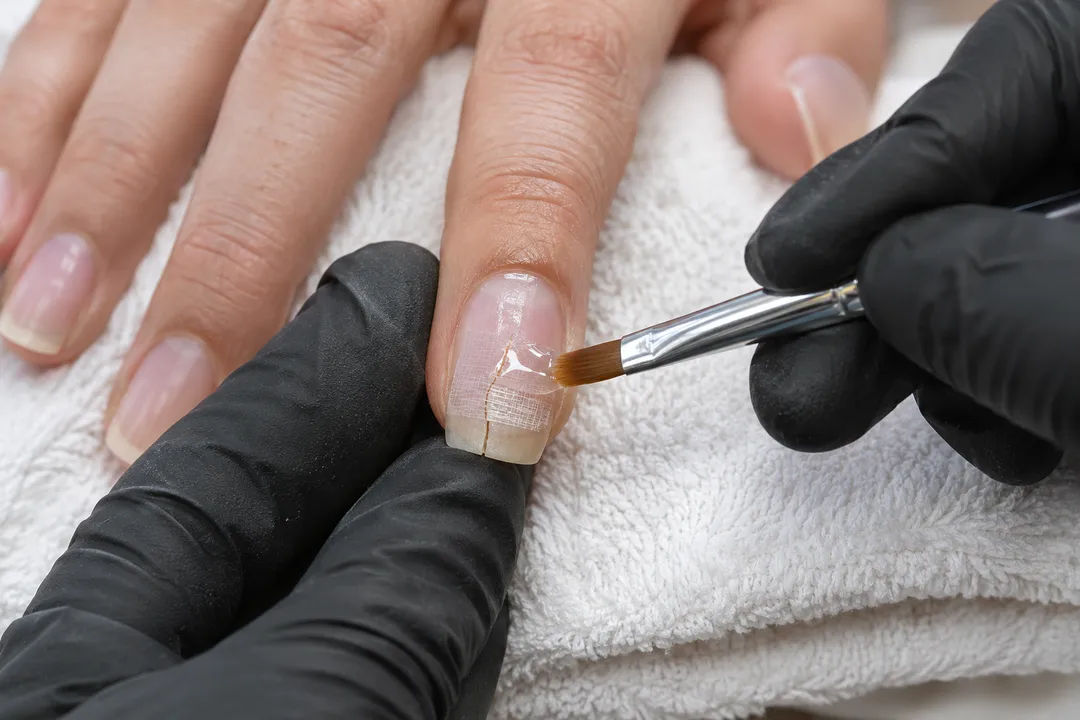
 Los Feliz Nail Salon Walk In Finder for Broken Nail Repair
Neighborhood Guides
Silver Lake: A Hillside Neighborhood Historical Walking Tour
Map the Silver Lake Reservoir walking loop with free self-guided routes. Connect mid-century modern architectural gems, historic stone paths, and meadow views.
Silver Lake has long served as an influential crucible of modernist architecture, bohemian arts culture, and pioneering civic infrastructure in central Los Angeles. At the geographical heart of the neighborhood lies the historic reservoir complex, constructed in 1907 by legendary civil engineer William Mulholland and named in honor of Los Angeles water board commissioner Herman Silver. A neighborhood historical walking tour encircling the Silver Lake Reservoir provides walkers with a continuous pedestrian circuit linking world-renowned mid-century modern residential masterpieces, steep historic public stairways, and expansive open meadow landscapes. Tracing this scenic perimeter on foot provides an exceptional window into the architectural experiments of Richard Neutra, Rudolf Schindler, John Lautner, and their contemporaries who fundamentally redefined residential living in Southern California.

Engineering Origins: The 1907 Reservoir Complex
The historical foundation of Silver Lake emerged from the urgent municipal water needs of rapidly expanding early twentieth-century Los Angeles. Engineered in 1907 under the leadership of William Mulholland, the dual-basin hydraulic system comprising Ivanhoe Reservoir and Silver Lake Reservoir was excavated to store water transported from the Owens Valley and surrounding mountain watersheds. For more than a century, the open bodies of water served as vital regional infrastructure while naturally shaping the development of the encircling topography into a serene residential retreat favored by civic leaders and artists. Although the active municipal water supply transitioned to modern underground storage facilities in recent years, the open reservoirs were permanently preserved as historic water bodies and public parkland, anchoring the community's environmental identity and providing a vital urban sanctuary for local wildlife.
Neutra VDL Studio and the Modernist Colony
Along the eastern shore at 2300 Silver Lake Blvd stands the celebrated Neutra VDL Studio and Residences, a National Historic Landmark originally designed by Austrian-American architect Richard Neutra in 1932. Neutra utilized the compact hillside parcel to demonstrate how glass curtain walls, rooftop reflecting pools, and modular prefabricated materials could create luxurious, light-filled spaces on a dense urban scale. The surrounding residential blocks along Silver Lake Boulevard, Earl Street, and Neutra Place constitute the Neutra Colony, representing the highest concentration of Richard Neutra's residential designs in the world. Walking past these preserved modernist pavilions reveals how clean horizontal planes, ribbon windows, and indoor-outdoor garden courtyards seamlessly integrate with the rolling hillside terrain, offering architectural lessons that continue to influence contemporary sustainable design.
The 2.2-Mile Reservoir Pedestrian Circuit
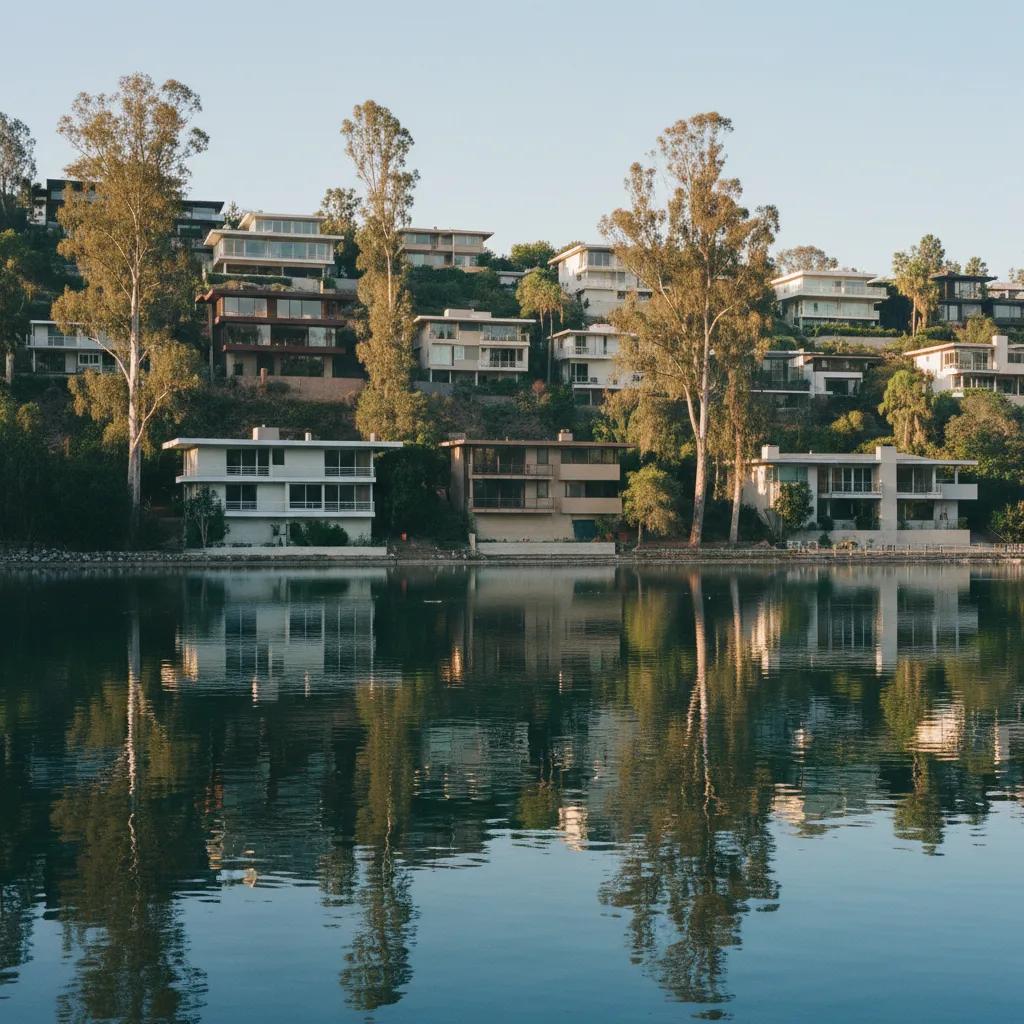
Encircling the water basins is the popular 2.2-mile Silver Lake Reservoir pedestrian loop, featuring a dedicated decomposed granite walking and jogging path. Beginning near 1500 Silver Lake Blvd by the public recreation center, the path guides walkers along gentle slopes with uninterrupted views across the water toward the eastern ridgeline. Along the western edge of the loop, the historic Silver Lake Meadow provides three acres of naturalized grass, California native plantings, and shade trees inspired by New York's Central Park. The dedicated walking trail provides a tranquil, protected buffer from automobile roadways, allowing visitors to observe resident waterfowl, migrating songbirds, and panoramic reflections of hillside estates shimmering in the morning light.
Historic Public Staircases and Hillside Trails
Before private automobiles dominated Los Angeles transit, public pedestrian staircases were constructed throughout the Silver Lake hills to connect upland residents to streetcar lines along Glendale and Silver Lake Boulevards. Staircases such as the historic Mattachine Steps on Cove Avenue and the nearby Micheltorena Stairs climb hundreds of concrete and river-stone steps into steep hillside aeries. The Mattachine Steps carry immense civil rights significance as the 1950s meeting corridor of gay rights pioneer Harry Hay and the Mattachine Society, one of the earliest homophile advocacy groups in the United States. Climbing these public stairways rewards walkers with intimate views of hidden hillside bungalows, vibrant tile mosaics, and breathtaking panoramic vistas spanning from downtown skyscrapers to the Hollywood sign.
Bohemian Heritage and Architectural Diversity
Beyond the sleek steel-and-glass modernist homes, Silver Lake's residential streets showcase a fascinating tapestry of early twentieth-century vernacular architecture. Climbing streets like Tesla Avenue and Armstrong Avenue brings walkers past eccentric Storybook-style cottages, Mediterranean Revival stucco compounds, and rustic Craftsman bungalows built with native river stone and heavy timber beams. During the 1930s and 1940s, this affordable, scenic terrain attracted an eclectic community of avant-garde artists, leftist filmmakers, musicians, and experimental architects fleeing European fascism. The enduring creative ethos of those early residents remains palpable in the neighborhood's lush organic hillside gardens, hand-painted murals, and lovingly preserved architectural quirks.
Trail Courtesy and Neighborhood Respect
The Silver Lake Reservoir loop is both a beloved public parkway and an active residential neighborhood, requiring mindful courtesy from all who walk its paths. Pedestrians and joggers are asked to keep to the right on the decomposed granite trail, keep dogs on standard leashes, and dispose of all litter in designated receptacles. When exploring public staircases that pass directly between residential properties, visitors should speak at quiet conversational levels and stay strictly on public rights-of-way. Using the Karpo APP on your smartphone makes it easy to track your walking mileage around the reservoir, locate public water fountains, and identify designated staircase climbing routes without trespassing.
Connecting Corridors: Sunset Junction and Beyond
Completing the reservoir loop places you within easy walking distance of adjacent cultural corridors that define contemporary Eastside life. A short stroll south down Silver Lake Boulevard leads toward Sunset Junction, where historic commercial storefronts host independent record shops, artisanal bakeries, and outdoor espresso terraces. Heading east connects to the Bellevue Park recreation grounds and the historic hillside avenues of Echo Park, offering extended walking circuits for ambitious urban explorers. These convenient neighborhood connections make the reservoir an ideal starting and finishing point for a full day of architectural discovery.
Practical Guide and Walking Tour Itinerary
The most rewarding time to experience the Silver Lake Reservoir walking tour is during early morning or golden hour before sunset, when temperatures are comfortable and sunlight glints across the water. Free street parking is generally available along Silver Lake Boulevard and adjacent residential streets near the recreation center, though visitors should pay close attention to posted street sweeping signs. Sturdy walking sneakers or trail shoes are recommended, especially if you plan to tackle the elevation gains of the neighborhood's steep concrete staircases. Equipped with sun protection, a water bottle, and the Karpo APP for self-guided architectural waypoints, you will enjoy a deeply enriching walking tour through one of California's most iconic architectural landscapes.
Ask Karpo for more information.
Keep reading
- Los Feliz Nail Salon Walk In Finder for Broken Nail Repair
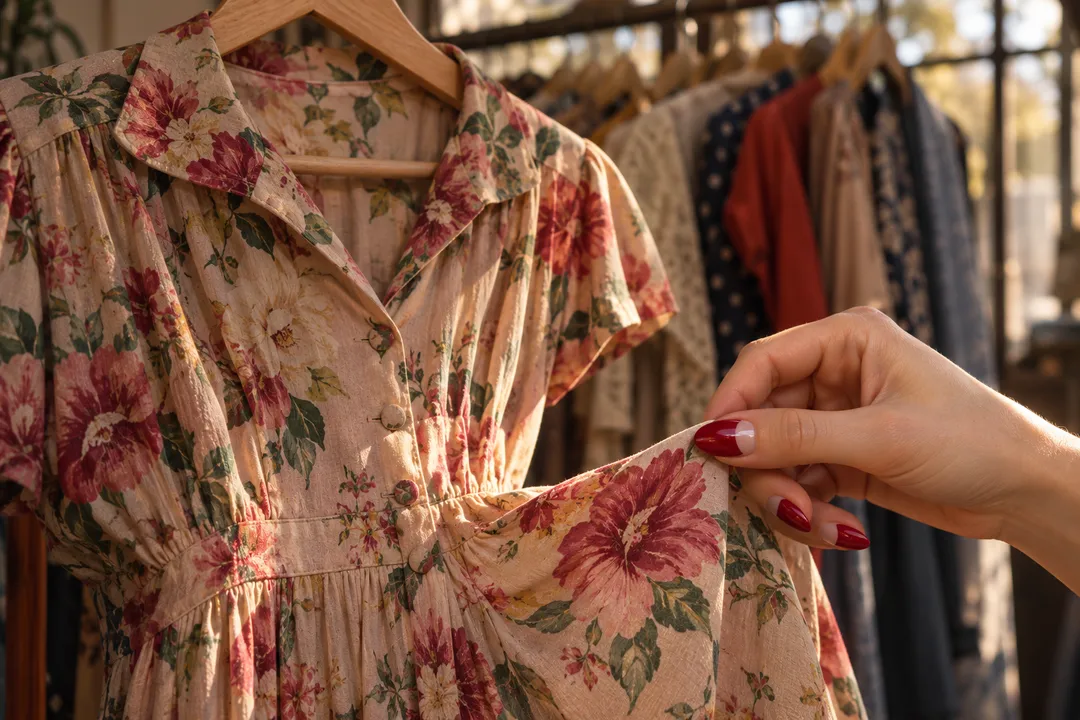 Highland Park Nail Salon Walk In Finder for Retro Manicures
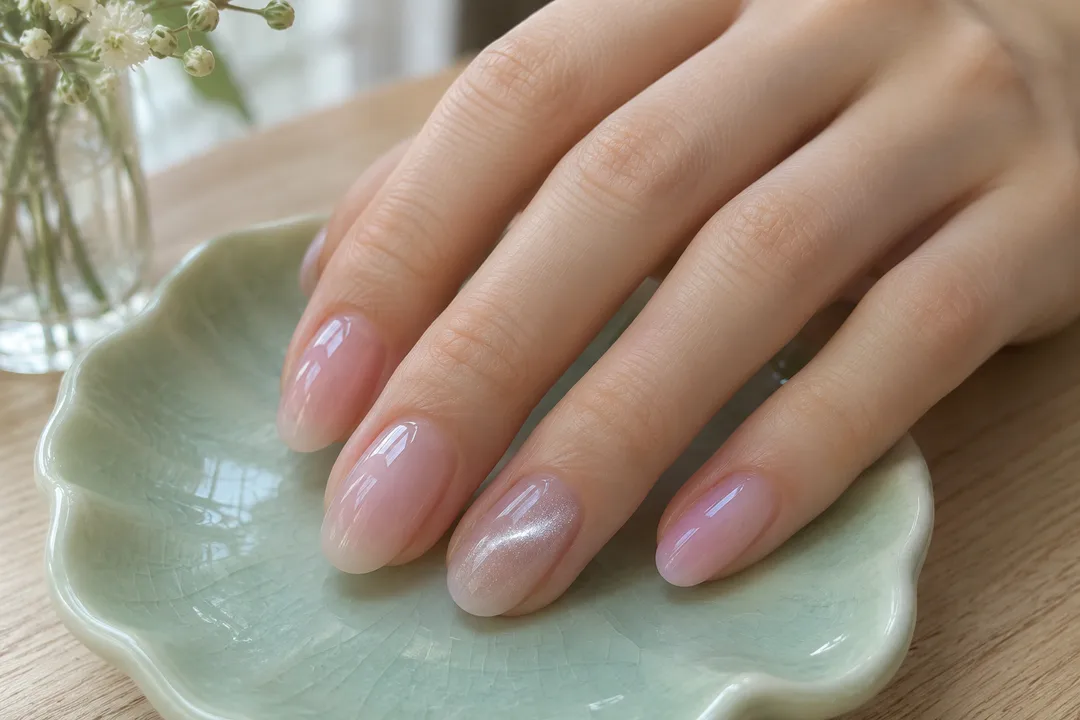 Koreatown Nail Salon Walk In Finder for K-Beauty Nail Looks