 Los Feliz Nail Salon Walk In Finder for Broken Nail Repair
Neighborhood Guides
Pasadena: An Old Town Neighborhood Historical Walking Tour
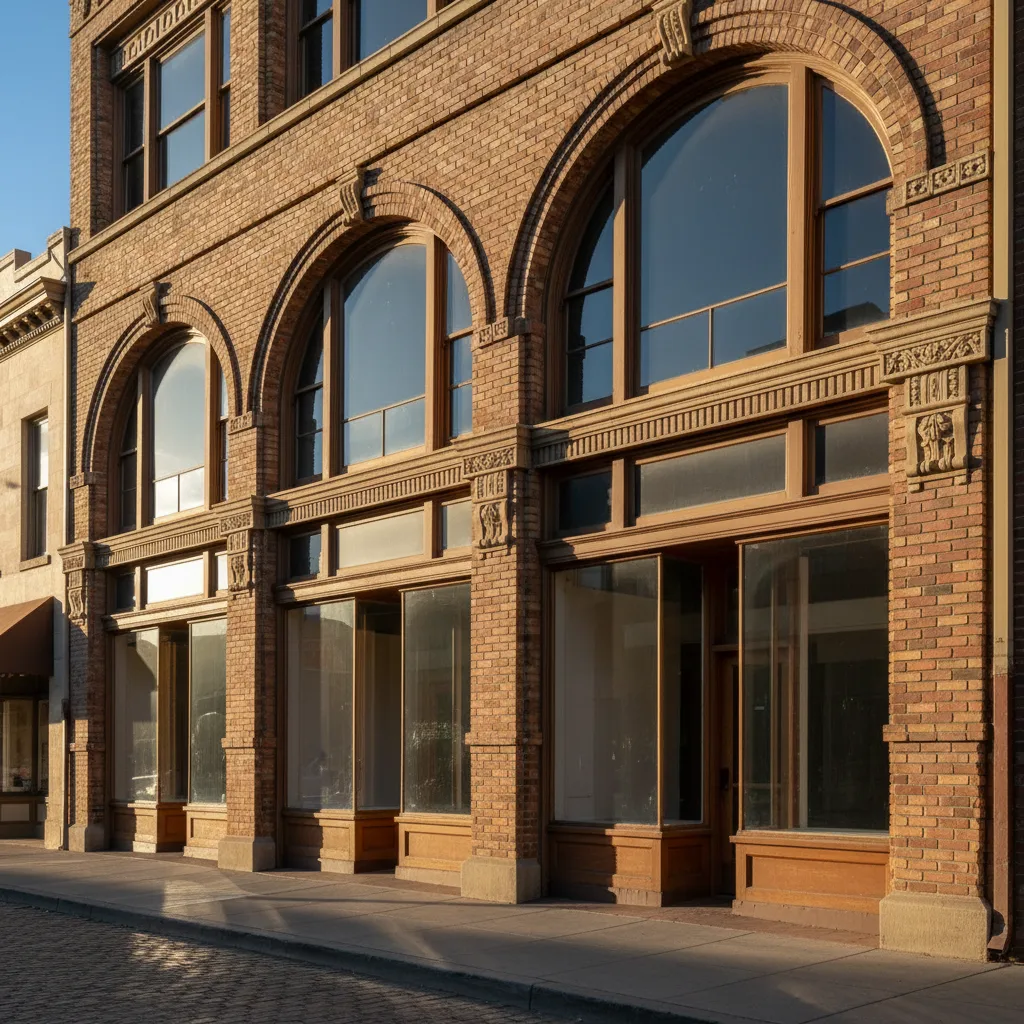
Walk historic Colorado Boulevard in Pasadena along free pedestrian circuits. Trace 1920s Beaux-Arts landmarks, shaded brick arcades, and civic plaza gardens.
Pasadena preserves one of the most magnificent, complete, and meticulously safeguarded historic commercial cores in Southern California. Centered along historic Colorado Boulevard between the natural canyon of the Arroyo Seco and the Beaux-Arts Pasadena Civic Center, this walkable district chronicles the fascinating transformation of an 1880s citrus agricultural colony into an internationally renowned winter resort for Gilded Age travelers. A neighborhood historical walking tour through Old Pasadena and the adjacent civic district reveals ornate Beaux-Arts monuments, Victorian brick alleyways, shaded European-style arcades, and grand Spanish Renaissance courtyards. Exploring this venerable San Gabriel Valley city on foot offers architectural enthusiasts an intact masterclass in early American urban design, City Beautiful municipal planning, and pioneering adaptive reuse preservation that saved a downtown from demolition.
Origins of Old Pasadena and Colorado Boulevard
The urban foundation of Pasadena took shape in the late 1880s following the arrival of the transcontinental railroad and the subsequent Southern California real estate boom. Colorado Boulevard was designated as the central commercial thoroughfare, where wooden frontier storefronts quickly gave way to substantial multistory brick, stone, and cast-iron commercial blocks designed by leading West Coast architects. By the 1920s, the street had become internationally famous as the official route of the annual Tournament of Roses Parade, showcasing Pasadena's prosperity and perpetual winter sunshine to audiences across the country. Walking westward along Colorado Boulevard from Fair Oaks Avenue toward De Lacey Avenue highlights how visionary historic preservation in the 1980s rescued dozens of turn-of-the-century facades from urban renewal demolition, establishing a template for downtown revitalization nationwide.
Beaux-Arts Grandeur at Pasadena City Hall
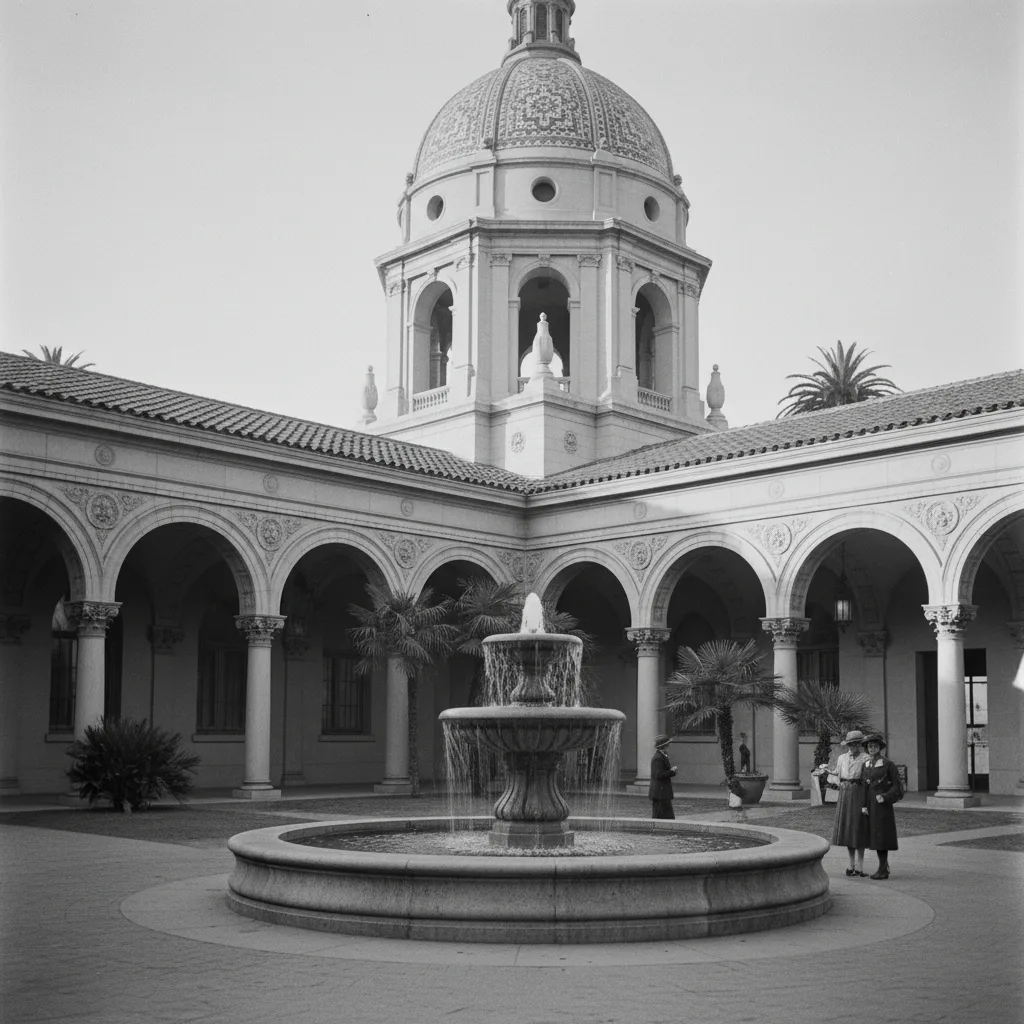
A short stroll eastward into the Pasadena Civic Center brings walkers to 100 Garfield Ave, home to the breathtaking Pasadena City Hall. Completed in 1927 by San Francisco architects Bakewell and Brown, this National Historic Landmark represents the pinnacle of the City Beautiful movement, masterfully blending Italian Renaissance and Spanish Baroque architectural traditions. The building's soaring 206-foot central dome, intricate cast-stone ornament, classical pediments, and expansive open-air courtyard garden centered around an ornate carved travertine fountain create an unforgettable pedestrian experience. Walking beneath the grand vaulted colonnades and stepping into the landscaped public courtyard allows visitors to study historical bronze plaques, manicured rosebeds, and quiet arched loggias open freely to all community members.
The Historic Alleys and Arcades of Old Town
One of Old Pasadena's most distinctive urban assets is its labyrinth of preserved historic service alleyways, including Mills Alley, Big Bang Theory Way, and Mercantile Place. Originally laid out for horse-drawn delivery wagons, coal deliveries, and back-door loading in the 1890s, these narrow passageways were thoughtfully transformed into vibrant European-style pedestrian passages surfaced in exposed brick pavers. Strolling through these shaded brick alleys reveals exposed vintage masonry, restored wrought-iron fire escapes, gas-lamp-style sconces, and welcoming outdoor dining patios sheltered from boulevard traffic. These charming pedestrian conduits offer quiet pedestrian shortcuts that reconnect walkers with the human scale, rich textures, and intimate craftsmanship of late nineteenth-century municipal engineering.
Gilded Age Splendor at Castle Green
Just two blocks south of Colorado Boulevard at 99 S Raymond Ave rises the legendary Castle Green, originally built in 1898 as an opulent annex to the lavish Hotel Green. Designed by prominent architect Frederick L. Roehrig, the monumental building is an exuberant synthesis of Moorish, Spanish Colonial, and Victorian architectural styles, complete with domed cylindrical towers, veranda balustrades, and a grand pedestrian bridge spanning Raymond Avenue. During the turn of the century, Eastern industrial titans, rail barons, and winter vacationers arrived aboard private Pullman train cars to spend their winters lounging in the hotel's lush tropical palm salons. Walking the public perimeter along Central Park allows pedestrians to admire the building's intricate terracotta friezes, ironwork balconies, and century-old dragon trees standing gracefully in the public park grounds.
The Iconic Colorado Street Bridge Over Arroyo Seco
Continuing west along Colorado Boulevard leads directly to 504 W Colorado Blvd and the monumental Colorado Street Bridge, engineered in 1913. Spanning 1,486 feet across the dramatic natural canyon of the Arroyo Seco, this historic curved concrete arch bridge is recognized as a national historic civil engineering landmark. The bridge's graceful multi-span parabolic arches, neoclassical cast-iron light poles, and elevated pedestrian overlooks provide sweeping views across the canyon toward the San Gabriel Mountains. A stroll across the bridge's northern pedestrian sidewalk offers a peaceful, scenic transition from dense urban brick streetscapes to the rugged riparian chaparral and ancient oak groves of the Arroyo basin.
Pedestrian Courtesy and Preservation Etiquette
Pasadena's historic commercial district and civic center grounds are treasured community spaces where pedestrian consideration helps maintain public enjoyment. Visitors exploring the courtyards of City Hall and the historic alleyways are asked to respect quiet administrative hours, keep pathways clear of obstructions, and utilize public trash receptacles. Public restrooms and water bottle filling stations are accessible within the City Hall plaza and adjacent civic library grounds during regular daytime hours. Relying on the Karpo APP on your smartphone allows you to easily reference landmark plaques, map interconnected alleyway routes, and discover hidden architectural bas-reliefs throughout the district.
Adjacent Cultural Districts and Green Corridors
A historical walking tour along Colorado Boulevard seamlessly connects to several premier cultural destinations in adjacent neighborhoods. Walking south through Central Park connects pedestrians to the Del Mar Metro station, surrounded by preserved 1890s Santa Fe train depot buildings and artisan coffee roasters. Heading east along Green Street leads toward the historic Pasadena Playhouse district, celebrated for Spanish Colonial Revival theaters, independent bookshops, and leafy pedestrian paseos. These adjacent corridors provide delightful options for extending your walking itinerary into a full day of heritage sightseeing.
Practical Planning and Walking Tour Itinerary
The ideal time to undertake an Old Pasadena historical walking tour is during the morning or early afternoon when sunlight illuminates historic facades and sidewalks are uncluttered. Convenient public parking garages offering free or affordable initial hours are located throughout Old Pasadena on Schoolhouse Way, De Lacey Avenue, and Raymond Avenue, while the Metro A Line provides direct rail access at Memorial Park and Del Mar stations. Flat walking shoes are best suited for the paved sidewalks, brick alleyways, and courtyard stone surfaces across the two-to-three-mile walking circuit. Equipped with comfortable footwear, sun protection, and the Karpo APP for self-guided historical navigation, walkers will experience one of California's finest urban preservation corridors.
Ask Karpo for more information.
Keep reading
- Los Feliz Nail Salon Walk In Finder for Broken Nail Repair
 Highland Park Nail Salon Walk In Finder for Retro Manicures
 Koreatown Nail Salon Walk In Finder for K-Beauty Nail Looks