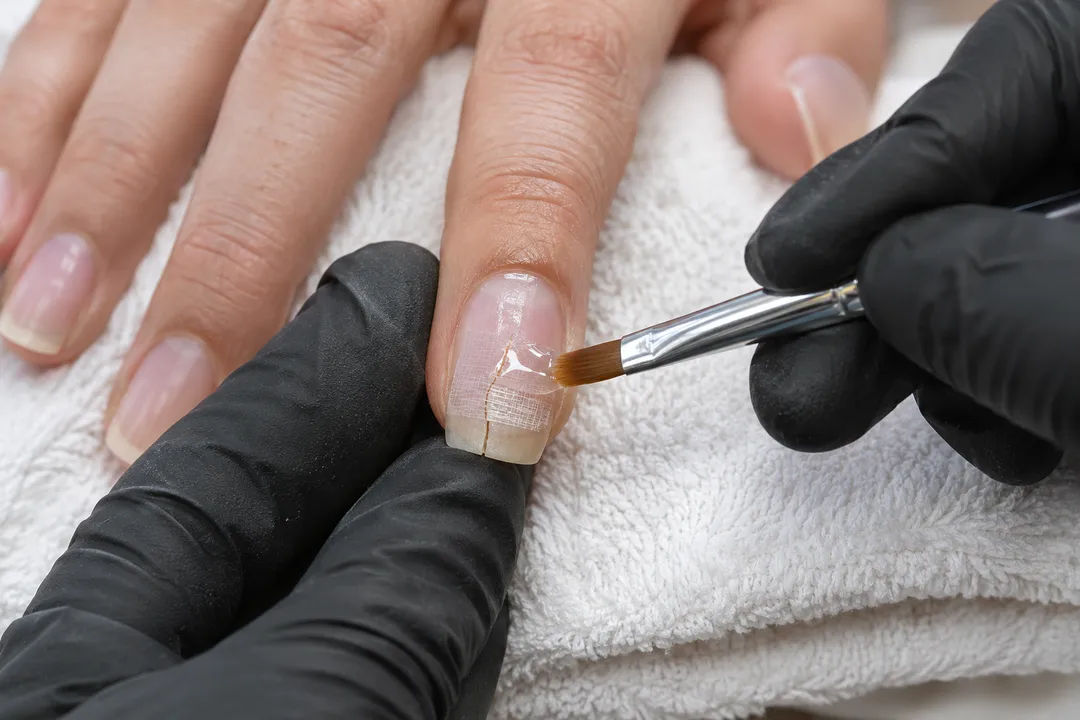
 Los Feliz Nail Salon Walk In Finder for Broken Nail Repair
Neighborhood Guides

LA Neighborhood Audio Walk: Free Venice Canal Bridge Route
Listen to this self-guided Venice neighborhood audio walk to explore historic 1905 saltwater canals, pedestrian arched bridges, and quiet garden walk streets.
Stepping into a Venice neighborhood audio walk along Southern California's historic canal district transports you into a visionary coastal enclave where pedestrian waterways replace urban thoroughfares. Established at the dawn of the twentieth century as an American counterpart to the Venetian lagoon city, this peaceful network of saltwater canals, arched footbridges, and landscaped pedestrian walk streets offers an enchanting sanctuary just blocks from the Pacific Ocean surf. Listening to your audio commentary while strolling these narrow waterfront paths allows you to leave behind automobile noise and immerse yourself in gentle maritime breezes, reflecting tides, and an eclectic architectural showcase spanning charming 1920s beach bungalows to visionary modern timber-and-glass homes built along historic waterways.
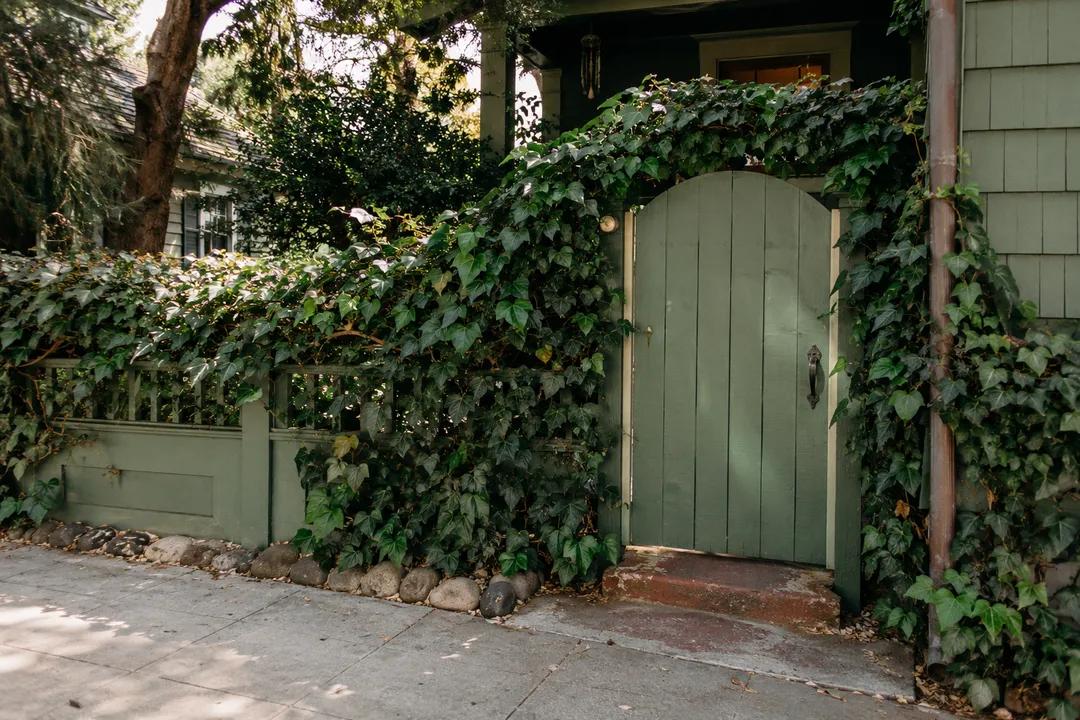
Abbot Kinney Vision of an American Venice
The historical origins of this route date back to July 4, 1905, when eccentric tobacco magnate and developer Abbot Kinney officially opened 'Venice of America.' Kinney envisioned a utopian cultural and entertainment paradise carved from marshy coastal wetlands, complete with sixteen miles of saltwater canals, imported Venetian gondolas with authentic Italian gondoliers, colonnaded commercial arcades, and an expansive ocean amusement pier. Crowds traveled from across Los Angeles aboard the Pacific Electric Red Car trolleys to experience this one-of-a-kind seaside fantasy that merged European romanticism with California coastal sunshine.
With the rapid rise of personal automobile ownership in the late 1920s, municipal authorities paved over most of Kinney's original waterways, converting them into vehicular thoroughfares like modern Venice Boulevard. However, the southern residential network—comprising Carroll Canal, Linnie Canal, Howland Canal, and Sherman Canal—survived demolition thanks to neighborhood advocacy. Following an extensive municipal rehabilitation in the early 1990s that reinforced eroding embankments, the Venice Canals Historic District was lovingly restored, having earned recognition on the National Register of Historic Places in 1982.
Archways and Waterways Along Dell Avenue
The heart of your canal walk unfolds along Dell Avenue between Carroll Canal and Sherman Canal, where a series of graceful white arched pedestrian bridges span the waterways. Standing atop one of these wooden footbridges, you are treated to mirror-like reflections of overhanging weeping willows, bougainvillea blossoms, and small non-motorized rowboats tied to private docks. The water rises and falls naturally with ocean tides through gates connecting the canals to the Marina del Rey channel, bringing fresh ocean currents and coastal wildlife right past residential front porches.
Following the public sidewalk along Linnie Canal and Carroll Canal offers an architectural masterclass in coastal California residential design. Historic 1910 Craftsman beach cottages with cedar-shingle sidings sit harmoniously beside whimsical storybook homes and cutting-edge post-modern glass pavilions. Your audio guide points out how local residents design lush native succulent gardens that spill seamlessly toward the water's edge, creating an open-air botanical garden along the public pathway where mallards, snowy egrets, and great blue herons frequently forage.
The Unique Venice Walk Streets Network
Heading north across Venice Boulevard brings you to the Venice Walk Streets Historic District, centered along Crescent Place and Marco Place off Shell Avenue. Developed in the early 1910s, these enchanting pedestrian-only residential corridors feature wide concrete sidewalks lined with historic lampposts, where front porches and picket-fenced gardens open directly onto the public walkway rather than automobile streets. Service garages and utility access are tucked discreetly into narrow rear alleys, preserving a tranquil pedestrian realm.
Walking down a Venice walk street provides an acoustic experience that feels worlds apart from modern Los Angeles. The absence of street traffic allows you to hear the rustle of coastal eucalyptus leaves, wind chimes swaying from craftsman porches, and the faint murmur of Pacific surf breaking three blocks west. This pedestrian-first urban design fosters a close-knit neighborhood intimacy that remains rare in Southern California, encouraging neighbors to converse over low garden hedges.
Abbot Kinney Boulevard and Historic Craftsman Storefronts
Continuing east along your audio loop leads toward Abbot Kinney Boulevard near 1200 Abbot Kinney Blvd, originally christened Western Avenue when the town was founded. Lined with century-old brick mercantile buildings, former livery stables, and restored timber storefronts, this celebrated commercial corridor has evolved into one of the country's most renowned hubs for independent fashion, art galleries, and craft coffee roasters.
The transition from the serene, reflective canal pathways to the vibrant creative buzz of Abbot Kinney Boulevard highlights the dual character of Venice. Your audio guide encourages you to admire the preserved vintage brick masonry, ghost signs painted on upper masonry walls, and leafy courtyard cafes that honor the neighborhood's enduring artistic spirit, which drew Beat generation poets, painters, and sculptors throughout the 1950s and 1960s.
Pacing Your Walk with Marine Tides and Light
The atmosphere of the Venice Canals changes dramatically depending on the time of day. Early morning between 8:00 am and 10:30 am is widely considered the most magical walking period, when calm water surfaces reflect coastal skies and morning fog gradually burns away into brilliant sunshine. Early walkers will encounter quiet pathways shared only with neighborhood dog walkers and local waterfowl, offering an unhurried atmosphere for audio listening.
Because the canal pathways directly border private residences, walking etiquette is essential. The public sidewalks and footbridges are open to all visitors, but guests should keep conversation at a respectful volume, keep pets leashed, and avoid stepping onto private docks or lawn furniture. Taking unhurried pauses on the wooden bridge landings offers ideal vantage points for photography and architectural observation without intruding on residential privacy.
Coastal Transit Links and Walking Notes
Accessing the Venice Canals by public transportation avoids notoriously tight coastal parking during peak weekend hours. Santa Monica's Big Blue Bus Route 1 runs frequently along Main Street, just two blocks east of the canals. In addition, Metro Bus Line 33 provides direct service along Venice Boulevard from Downtown Los Angeles to Venice Beach. Public parking is available in metered lots at Venice Boulevard and Dell Avenue, or along South Venice Boulevard.
The walking circuit encompasses about one and a half miles along flat paved sidewalks, with brief sets of steps required to cross over arched pedestrian bridges. Flat, comfortable walking shoes are strongly recommended for steady footing along damp canal paths. The Karpo APP provides self-guided route layouts, architectural context highlights, and neighborhood navigation guidance to enhance your visit to historic coastal Venice.
Ask Karpo for more information.
Keep reading
- Los Feliz Nail Salon Walk In Finder for Broken Nail Repair
 Highland Park Nail Salon Walk In Finder for Retro Manicures
 Koreatown Nail Salon Walk In Finder for K-Beauty Nail Looks