 Los Feliz Nail Salon Walk In Finder for Broken Nail Repair
Neighborhood Guides
LA Neighborhood Audio Walk: Free Broadway Theater Route
Listen to this self-guided Downtown Los Angeles neighborhood audio walk to explore historic Broadway movie palaces, Bradbury ironwork, and Art Deco towers.
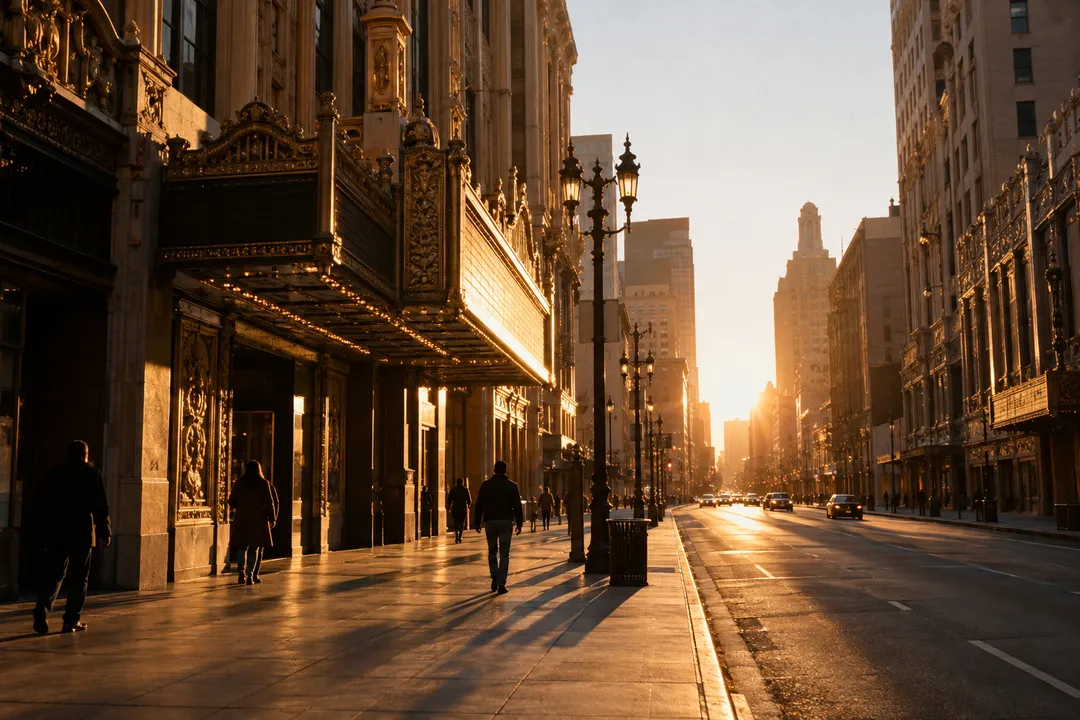
Starting a Downtown Los Angeles neighborhood audio walk along South Broadway immerses you in the largest concentration of historic movie palaces and commercial architecture in the United States. Between 3rd Street to the north and Olympic Boulevard to the south, twelve grand theaters built between 1910 and 1931 stand side by side with Beaux-Arts office blocks, neon jewelry marts, and lively street markets. Placing your headphones over your ears and stepping onto the wide concrete sidewalk transforms a noisy metropolitan corridor into an evocative journey through the entertainment capital's golden age. Here, century-old terra-cotta facades reveal intricate carved grotesques, gilded proscenium arches hide behind retail storefronts, and sunlight streams through soaring glass skylights.
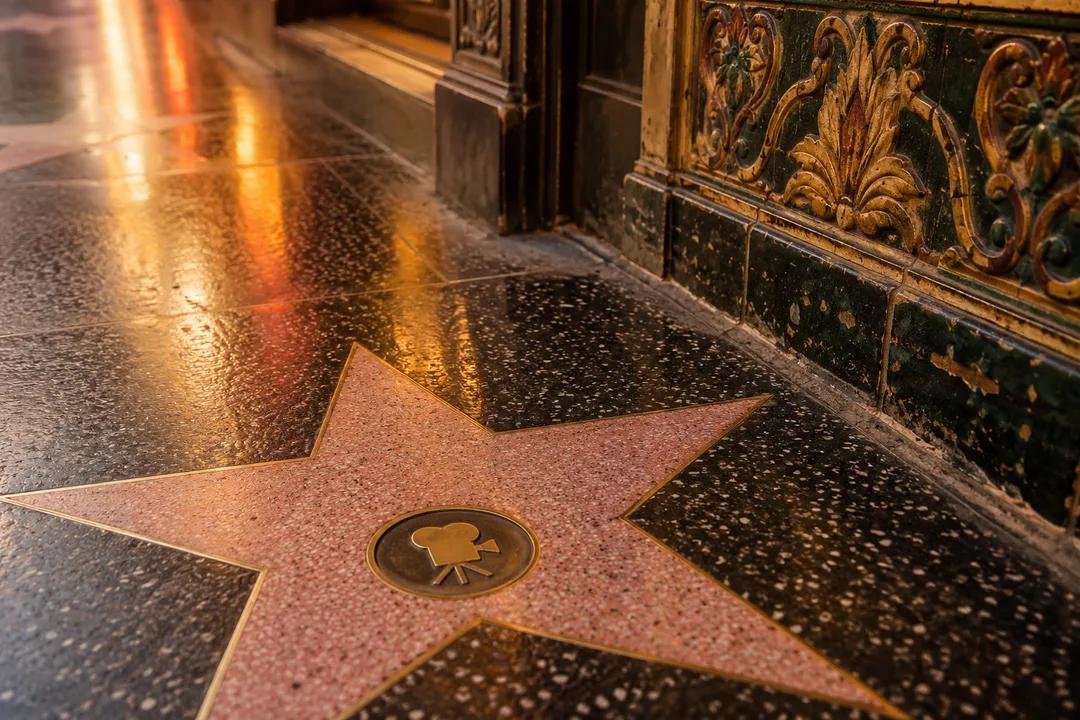
The Historic Broadway Theater District Landscape
The architectural spine of this walking route begins at the Bradbury Building at 304 S Broadway, erected in 1893 by architect Sumner Hunt and draftsman George Wyman. Behind its modest Roman brick and sandstone exterior lies one of Southern California's most celebrated interior spaces: a sun-drenched five-story court wrapped in ornamental wrought-iron filigree, birdcage elevators gliding in open cages, and glazed Mexican tile steps that have welcomed generations of visitors. Standing in the quiet atrium, your audio guide traces how this Victorian masterpiece foreshadowed modern open-plan design before directing you across the street toward the theatrical grandeur of Broadway.
Directly opposite sits the Million Dollar Theater at 307 S Broadway, commissioned by showman Sid Grauman in 1918 and designed by architect William L. Woollett. Its exterior is a riotous Spanish Churrigueresque fantasy in sculpted terra-cotta, featuring allegorical figures of bison skulls, theatrical muses, and whimsical angels flanking the massive proscenium entrance. As pedestrian crowds swirl past curbside fruit stands, pausing here reveals the intricate depth of the molded facades that turned ordinary sidewalks into glamorous portals for silent cinema premieres.
Golden Age Picture Palaces from Sixth to Eighth
Walking southward past 6th Street brings you to the Los Angeles Theatre at 615 S Broadway, constructed in 1931 by master theater architect S. Charles Lee in an astonishingly rapid seventy-five days. Designed in an opulent French Baroque revival style inspired by the Hall of Mirrors at Versailles, its gilded lobby features crystal chandeliers, sweeping travertine staircases, and etched mirrors that once reflected Hollywood's most glamorous audiences. Even from the exterior vestibule, the layered plaster reliefs and majestic vertical blade sign convey the boundless ambition of Depression-era cinema palace construction.
Just steps away at 630 S Broadway stands the Palace Theatre, opened in 1911 as the flagship West Coast venue for the Orpheum vaudeville circuit under the design of G. Albert Lansburgh. Its multi-hued terra-cotta facade displays sculpted relief panels honoring dramatic masters, while its elegant brick arches echo classical European opera houses. Looking upward past modern commercial shopfront awnings, your audio commentary highlights the decorative cartouches and ornamental iron fire escapes that make Broadway an open-air museum of early twentieth-century public entertainment.
Art Deco Splendor at the Eastern Columbia
The visual climax of this audio walk rises at the intersection of 9th Street and Broadway, where the landmark Eastern Columbia Building at 849 S Broadway commands the skyline. Designed by architect Claud Beelman and opened in September 1930, this thirteen-story Zigzag Moderne jewel is clad in shimmering turquoise glazed terra-cotta tiles accented with deep blue and genuine gold leaf. Its recessed four-sided clock tower, crowned by stylized neon numerals and vertical sunburst pilasters, stands as one of the most recognizable icons of Art Deco architecture on the Pacific Coast.
Continuing a few doors south reveals the United Artists Theatre at 933 S Broadway, completed in 1927 by architect C. Howard Crane for studio founders Mary Pickford, Douglas Fairbanks, and Charlie Chaplin. The building features an intricate Spanish Gothic cathedral facade adorned with stone pinnacles and delicate tracery. Comparing Beelman's sleek turquoise modernism with Crane's soaring medieval revival within a single city block illustrates the architectural variety that defines the Broadway Historic District.
Grand Central Market and Historic Food Halls
No exploration of South Broadway is complete without experiencing the bustling sensory environment of Grand Central Market at 317 S Broadway, operating continuously since 1917. Stretching the full block from Broadway to Hill Street, this historic market hall shelters dozens of legacy food purveyors, neon signage, and communal dining counters beneath high exposed-beam ceilings. The ambient clatter of griddles, espresso machines, and lively conversation offers a grounded counterpoint to the monumental theater architecture outside.
Exiting through the market's western portals opens directly onto the lower landing of the historic Angels Flight funicular railway, operating since 1901 to haul passengers up Bunker Hill's steep incline. Taking a brief pause on this transition block allows you to observe the layered transit history of Downtown Los Angeles, where historic rail cars, modern Metro portals, and pedestrian thoroughfares converge seamlessly.
Walking Timing and Crowd Management
Timing your neighborhood audio walk significantly affects how comfortably you can absorb Broadway's visual details. The ideal window is weekday mornings between 9:00 am and 11:30 am, when the morning sun casts long diagonal shadows across east-facing theater facades and pedestrian traffic remains relaxed. Early walking also ensures quiet moments in the Bradbury Building atrium before lunch crowds arrive from nearby civic offices.
During busy weekend afternoons, street vendors, shoppers, and delivery trucks create a lively but congested environment. If sidewalks become crowded around 4th and 5th Streets, step into wide curb extensions or cross the street to the opposite sidewalk. Looking across five lanes of traffic provides superior viewing angles for upper-story cornices, neon pylons, and terra-cotta ornaments that are difficult to appreciate from directly underneath.
Transit Connections and Practical Walking Notes
Reaching the start of the Broadway route is straightforward via the Los Angeles public transit network. The Historic Broadway Station on the Metro A Line and E Line sits at 200 S Broadway, just one block north of the Bradbury Building. Alternatively, the Pershing Square subway station serving the Metro B Line and D Line is located two blocks west at 500 S Hill St. If you arrive by car, several paid parking garages operate along South Spring Street and South Hill Street.
The walking path covers approximately one mile of continuous paved urban sidewalks with curb ramps at all street intersections. Comfortable walking shoes are recommended, as historic terrazzo vestibules and granite curbs can be uneven underfoot. The Karpo APP provides structured route outlines, landmark highlights, and self-guided audio walking tips to enhance your exploration while you navigate Downtown Los Angeles.
Ask Karpo for more information.
Keep reading
- Los Feliz Nail Salon Walk In Finder for Broken Nail Repair
 Highland Park Nail Salon Walk In Finder for Retro Manicures
 Koreatown Nail Salon Walk In Finder for K-Beauty Nail Looks