 Los Feliz Nail Salon Walk In Finder for Broken Nail Repair
Neighborhood Guides
Silver Lake Nail Salon Walk In Finder for Guitar Players
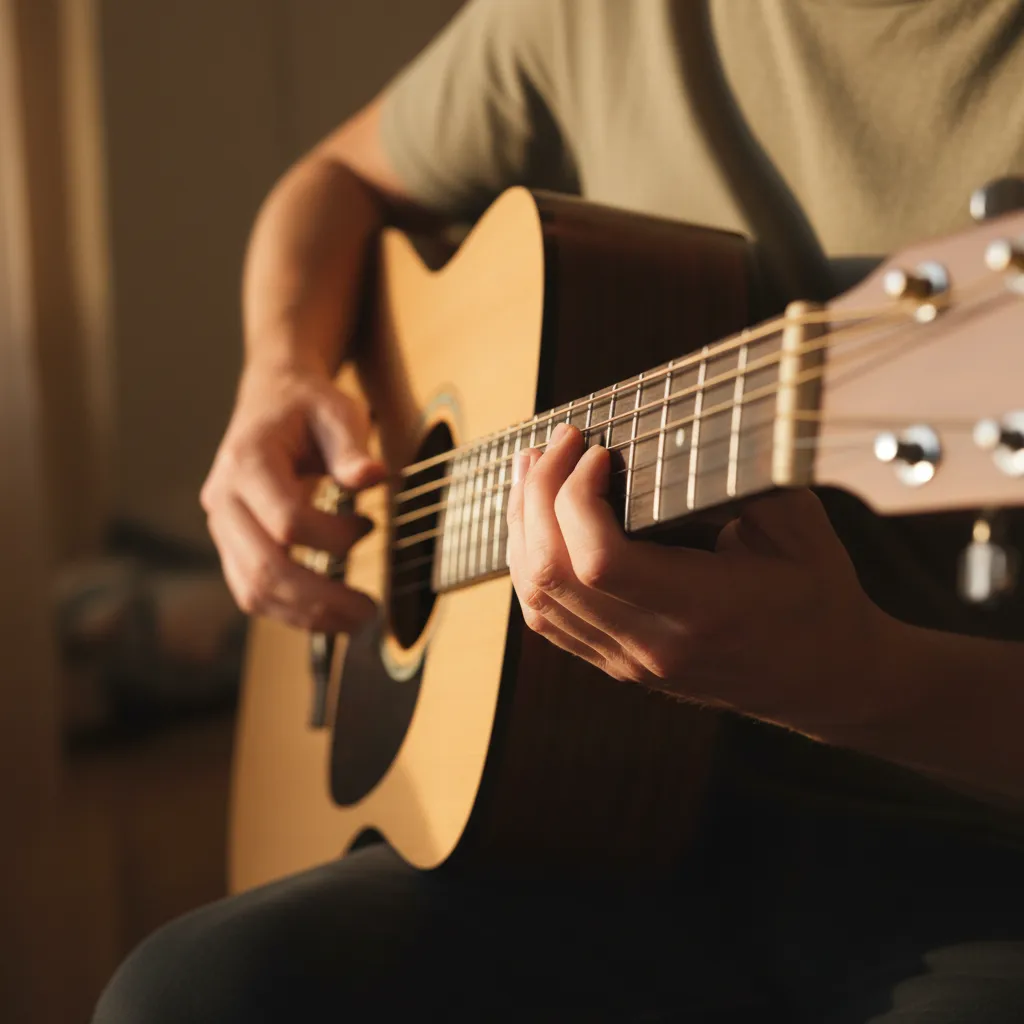
Play guitar, bass or piano? Walk into a Silver Lake salon, say which hand needs short nails and which needs strength, then loop the reservoir before practice.
Silver Lake has been home to musicians for generations, and anyone who plays knows that nails matter. Too long on the fretting hand and chords buzz. Too short or brittle on the picking hand and fingerstyle sounds thin. A standard salon visit does not always get this right. This nail salon walk in finder explains how guitarists, bassists, pianists and other players can walk into a Silver Lake salon, ask for a manicure that suits their instrument and then clear their head with a reservoir loop before rehearsal.
A Neighborhood That Runs on Music
Silver Lake sits in the hills between Hollywood and Downtown Los Angeles, and for decades it has drawn songwriters, session players, bands and producers. Small venues, rehearsal studios, record shops and cafes full of people with guitar cases are part of everyday life here. You will often hear someone practicing through an open window on a warm afternoon.
With so many players in the area, local nail salons regularly see customers who need something a little different from a standard manicure. Technicians may not play themselves, but many have learned what musicians ask for. Walking in and explaining what you need is usually all it takes.
Why Players Need a Different Manicure
For most instruments, the two hands do very different jobs. On guitar, the fretting hand presses strings against the neck, so nails need to be short enough that fingertips land cleanly. On the picking hand, fingerstyle and classical players often keep slightly longer, carefully shaped nails that act like small picks and shape the tone.
Pianists and keyboard players usually want all ten nails short so fingertips meet the keys without clicking. Violinists and cellists keep the left hand very short. A typical salon routine files everything to the same length and shape, which may feel neat but can change how your instrument sounds and feels under your fingers.
What to Say at the Desk
When you walk in, explain that you play an instrument and need different lengths on each hand. Say which hand should be very short and which, if any, should keep its length. Holding up your hands and pointing helps. Most technicians appreciate clear directions, and it prevents an accidental trim of nails you have been growing for weeks.
If you play fingerstyle, bring a small photo of the shape you like, or show the technician how you play so they can see where the nail meets the string. A smooth, slightly ramped edge often works best. If something does not feel right, ask them to stop and check before taking more length off.

Strength Without Bulk
Fingerstyle players often struggle with nails that split or wear down. Some salons can apply a thin layer of clear gel or a builder base on the picking hand to add strength. Keep it thin, because a thick coating can change tone and feel. Tell the technician you want just enough to stop chips, not a long, sculpted extension.
Many classical players prefer to keep nails natural and use a fine file daily instead. If you are unsure, start with a clear strengthening polish and see how it sounds. You can always try gel next time. The goal is a nail that holds its shape through a long session without feeling heavy on the string.
Cuticles and Calluses
Ask the technician to treat the cuticles gently and leave fingertip calluses alone. Calluses on the fretting hand take months to build and protect your fingers from the strings. A standard manicure might try to smooth or soften them, which can leave fingers sore at the next rehearsal. Say clearly that the fingertip skin should not be filed or scrubbed.
Hangnails and cracked skin around the nails, on the other hand, are worth fixing. They catch on strings and can hurt during long sets. A careful trim of loose skin and a little cuticle oil helps fingers feel smooth without removing the toughness you need to play.
Color for the Stage
If you want polish, there is no reason not to have it, as long as it stays thin. Many players love a bold look on stage, and dark shades like black, deep green or oxblood photograph well under stage lights. Keep color on short nails and avoid chunky glitter or charms that could catch on strings or keys.
Gel color lasts longer through practice and gigs, while regular polish wears faster on the hand that does the most work. If you want something subtle, a sheer tint or matte top coat adds style without drawing too much attention away from your playing. Pick what feels like you.
Picking the Right Time
Silver Lake salons are usually quieter on weekday mornings and early afternoons, which suits musicians who rehearse or perform in the evening. Saturday afternoons can be busy, especially near the cafes and boutiques along Sunset Boulevard. Plan your visit at least a few hours before playing so any polish has time to harden fully.
Avoid a big trim the day of a show. If a technician files too much, you will want time to adjust before you step on stage. A few days before a gig is ideal, with a light touch-up closer to the date if needed. If your usual salon is full, Karpo APP can point you toward others nearby.
A Reservoir Loop to Warm Up
After the salon, head to the Silver Lake Reservoir. The walking path around the water is one of the neighborhood's favorite places to clear your head, with views of hillside houses, palm trees and the open sky. Many locals walk it daily, and it is a good way to loosen up before practice.
Use the walk to run through a song in your head or just enjoy the breeze off the water. There is a small meadow on the eastern side where people stretch out on blankets, and a dog park nearby. When you are done, your hands will be ready and your mind calmer for the session ahead.
Records, Coffee and Rehearsal
Silver Lake is also a great place to browse records and grab a coffee before rehearsal. Vinyl shops, vintage stores and cafes line the main streets, and you will often run into other musicians. Flipping through records is easy on fresh nails, though you may want to wait a little if you just had regular polish.
Then head to your rehearsal room, studio or home practice space. Play through a few warm-up exercises first to get used to the new nail lengths. Small adjustments can feel strange at first, but most players settle in within a few songs and notice cleaner notes almost right away.
Keeping a Player's Routine
Many musicians end up with a simple routine: a salon visit every few weeks for shaping, cuticle care and an occasional strengthening layer, plus a fine file in the guitar case for quick fixes. Over time, you learn exactly how your nails should feel, and your technician learns too.
If you play in different parts of the city or travel for gigs, open Karpo APP when you need a salon near the venue or rehearsal space. Explaining your needs gets easier each time, and soon a quick walk-in becomes part of how you get ready to play.
Ask Karpo for more information.
Keep reading
- Los Feliz Nail Salon Walk In Finder for Broken Nail Repair
 Highland Park Nail Salon Walk In Finder for Retro Manicures
 Koreatown Nail Salon Walk In Finder for K-Beauty Nail Looks