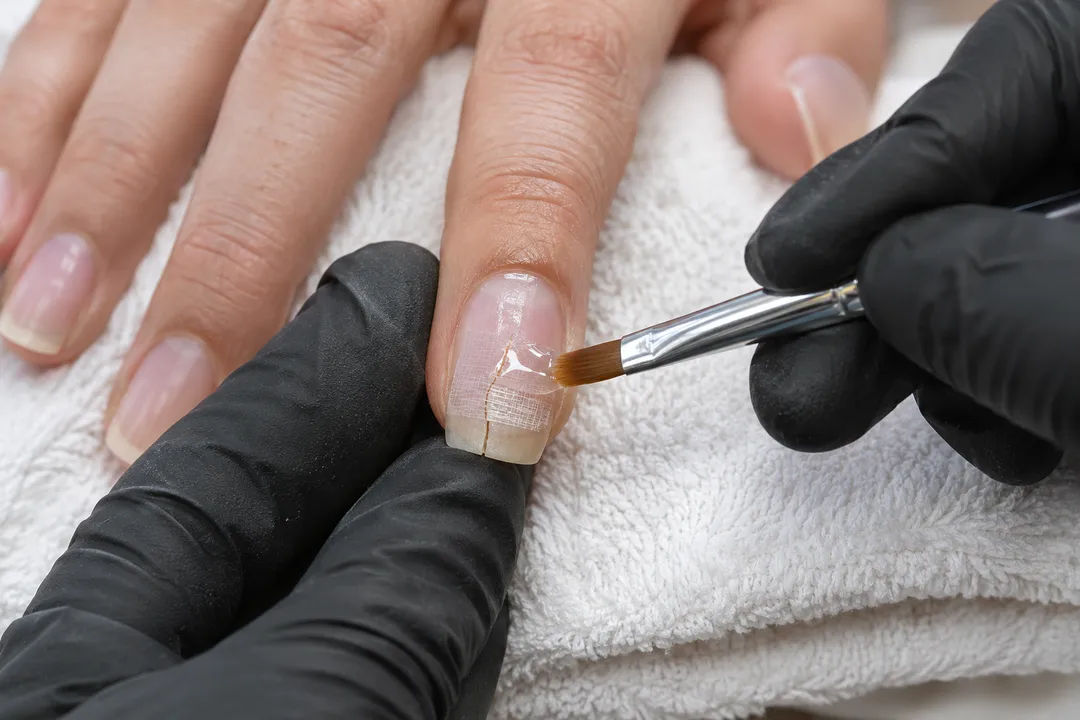
 Los Feliz Nail Salon Walk In Finder for Broken Nail Repair
Neighborhood Guides

LA Midpoint Meetup Planner: 2 Routes to Afternoon Coffee
Compare a driving approach and a transit approach for afternoon coffee in Mid-City, giving each traveler a workable arrival, meeting window and way home.
An LA midpoint meetup planner is useful for an afternoon coffee when some friends drive and others ride transit. Use Mid-City as a candidate area, then compare two different approaches to the same gathering: the road journey and the transit journey. They need not look identical to feel fair. What matters is whether each person can arrive comfortably, spend worthwhile time together and leave without an avoidable complication. This comparison starts with the travelers’ needs and produces a shared decision, rather than declaring one cafe the center of everyone’s city.
Compare the entire trip, not two map pins
For the driver, the trip includes the approach to parking and the walk from the vehicle. For the transit rider, it includes reaching the first stop, any transfer and the final walk. A distance measurement between origins ignores those differences. Ask each person to describe their proposed journey in stages. Nobody needs to disclose a precise home address in a group chat. A starting neighborhood and relevant transport connection are enough to establish the planning problem before a real destination is selected.
Place the two descriptions beside each other. The driving side should identify its parking budget and acceptable search effort. The transit side should identify its transfer tolerance and latest comfortable departure. Both sides should state walking requirements. These are user preferences, not performance ratings for a neighborhood. A destination that looks attractive on one side may still be unsuitable on the other. Comparing the complete chains makes it possible to reject that destination for a clear reason without turning transport mode into a contest.
Give hard constraints more weight than convenience
Imagine a hypothetical group in which the driver can move their departure by half an hour, while the transit rider has a fixed commitment after coffee. That flexibility should affect the meeting time. It does not mean the driver’s time has no value. It means the group has one adjustable input and one fixed boundary. Start with the fixed boundary, then see whether the driver’s flexibility creates a usable overlap. The example describes a planning choice rather than a claim about bus service in Mid-City.
An accessibility need takes a different role from a preference for a particular coffee style. Ask about required seating, walking effort and the ability to manage the approach. Do not ask a traveler to justify the requirement by explaining a disability. A cafe preference can usually move within the brief, while a required step-free approach cannot. If the group cannot find a suitable candidate in the proposed area, change the area. Protecting the essential requirement is more useful than defending an initial midpoint label.
Choose the overlap window before choosing the drink

Work backward from the time everyone needs to leave. Decide how much shared time would make the trip worthwhile, then identify a start that gives each person that amount. An afternoon catch-up can feel rushed when the invitation states only an arrival time and quietly leaves the ending undefined. Say whether the plan is a short coffee, a longer conversation or a meeting that could continue into dinner. A friend with a firm limit can then participate without repeatedly explaining their deadline.
Distinguish a meeting window from permission to arrive whenever. If one person will reach the area earlier, agree what they do while waiting and whether the others should join them inside. A cafe table is not automatically available just because the group has chosen a time. Do not claim that Karpo or this article can hold it. The planning result is an agreed arrangement and a shortlist to investigate. Any table policy or booking belongs to the actual business once the group has selected it.
Compare cafe qualities after transport fits
When the journeys fit, compare the setting for the conversation. Some groups want a calm seat and a simple drink. Others care more about food, outdoor space or a place that welcomes an extended visit. Describe those preferences directly in the request. Include dietary needs and the spending preference of the person with the tightest budget. Avoid assuming that everyone wants to order a meal because the meeting lasts longer than a quick takeaway. The activity should be socially comfortable as well as geographically workable.
For this task, two useful candidate profiles might be a compact cafe near the selected transit arrival and a larger gathering place with a researched parking approach. These are profiles to compare, not claims about two unnamed businesses. The first could reduce the rider’s final walk, while the second might better suit a larger party. Actual seating, access and parking terms need evidence from the chosen places. Keep those fields unresolved until you have that evidence, rather than filling the comparison with imagined amenities.
Use a conversational brief without inventing a routing tool
Open Karpo APP and describe the kind of catch-up you want. A useful request might ask for afternoon coffee ideas in Mid-City for friends using different transport modes, with an emphasis on conversation and a manageable final walk. Karpo’s public introduction invites people to describe a mood and ask for going-out ideas. That supports this style of request. The article does not promise a dedicated midpoint calculator, combined transit routing, live parking information or an automatically optimized result for LA.
Use a navigation or transit service to supply the dated journeys for candidates the group considers seriously. Compare those external journey inputs yourself, or describe their implications when discussing the plan. Ask follow-up questions about the experience you want rather than treating a suggested destination as a measured commute solution. This division keeps the process useful: Karpo can be approached for ideas, travelers retain their constraints, and the appropriate transport tools handle their journey details. Each decision has an identifiable owner.
Give each traveler an independent exit
A mixed-mode gathering works better when leaving does not require everyone to move at once. If the driver offers a lift, agree the scope before it becomes part of the plan. The transit rider should still understand their own route home unless they have explicitly chosen another arrangement. Do not build an outing around an unspoken assumption that one friend will wait, detour or pay for a second journey. A generous offer is easier to accept when its limits are clear.
For a short neighborhood walk after coffee, choose an optional continuation that does not pull the rider away from their return connection or force the driver to relocate the car. Work out the actual loop on a map after selecting a venue. Send a final invitation with the meeting entrance, intended duration and departure arrangement. If either journey remains disproportionately difficult, another area is a valid result of the comparison. A successful afternoon is one both friends can enjoy, not a victory for the first neighborhood suggested.
Ask Karpo for more information.
Keep reading
- Los Feliz Nail Salon Walk In Finder for Broken Nail Repair
 Highland Park Nail Salon Walk In Finder for Retro Manicures
 Koreatown Nail Salon Walk In Finder for K-Beauty Nail Looks