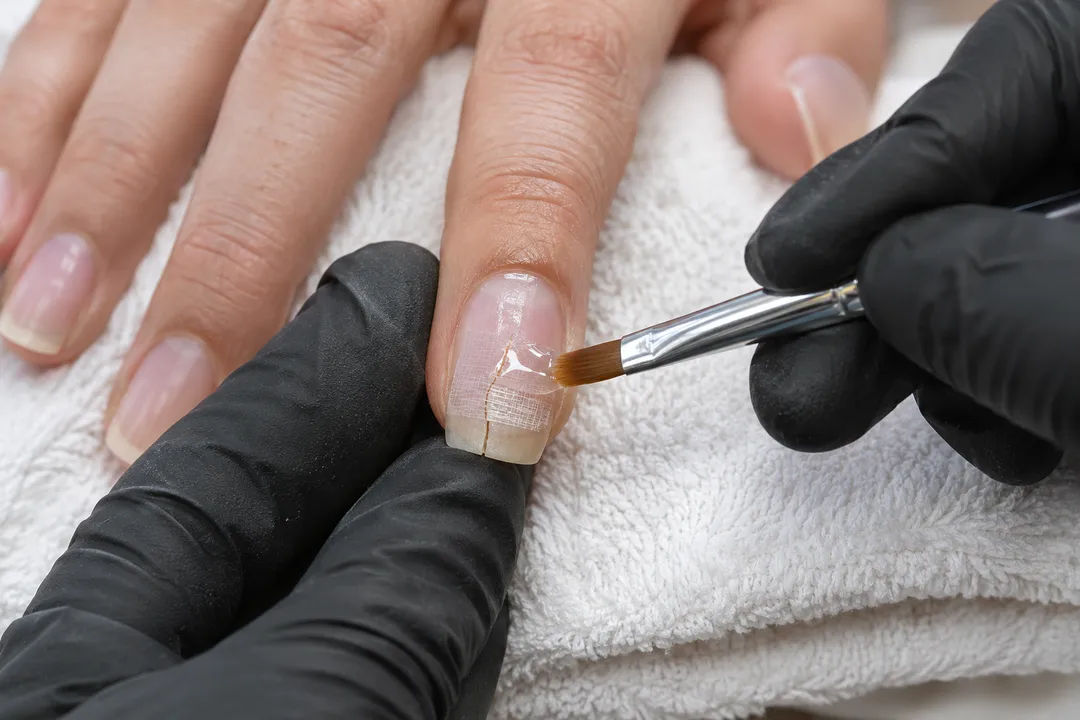
 Los Feliz Nail Salon Walk In Finder for Broken Nail Repair
Neighborhood Guides

LA Midpoint Meetup Planner: 3 Culver City Arrival Tests
Use three arrival tests for a Culver City meetup: the station approach, a bus connection and the trip home, before choosing a place for the group to gather.
Use an LA midpoint meetup planner to test Culver City as a gathering area before agreeing on a particular table. A group can all recognize the same neighborhood name while imagining different arrival points. One friend means the E Line station, another means a bus stop, and a driver means a parking entrance. This workflow separates those three approaches and brings them back into one invitation. Culver City is a candidate to evaluate against the group’s journeys, not a promise that every traveler will have an equally convenient trip.
Give the gathering an arrival boundary
Begin by identifying what you mean by Culver City. Is the goal to stay close to the rail station, meet in a chosen commercial area, or gather near someone’s bus corridor? Do not use the city name as a substitute for an actual meeting point. A rail stop and a destination can share a familiar area label without being the same place. The planning task is to connect each traveler’s final transit stop to the chosen entrance, including the walking segment between them.
Metro’s official rail information identifies Culver City as an E Line station. That fact establishes a possible rail arrival, but it does not establish a useful itinerary for any particular friend. Ask rail users which station they will start from and whether their journey involves a transfer. Let bus riders identify the stop and direction that would serve the destination. Avoid publishing a route number from memory. Use the operator’s journey information for the date of the actual meetup, since this article does not supply departure times or service frequencies.
Test one: the walk beyond the platform
A destination described as close to transit still needs a workable final approach. Have each person decide how much walking they are comfortable with and whether stairs, steep sections or an unfamiliar crossing would affect them. These are personal requirements, not assumptions about a particular station’s accessibility. A traveler using a mobility aid should be able to describe the needed path without having to disclose a medical history. Choose a meeting entrance that fits those requirements rather than treating the fastest walker as the default.
Trace the approach on a map after choosing a real candidate venue. Identify the exit or side of the station the person intends to use, then the destination entrance. A short straight-line distance is insufficient if the practical walk follows another route. If the approach is unclear, simplify the destination rather than filling the invitation with a chain of improvised instructions. The purpose of this test is to remove an arrival problem before friends leave home. It does not rate an unnamed path as accessible or safe.
Test two: the bus rider’s connection

Next, build the plan around the bus rider’s whole journey. Ask whether the destination requires changing buses, adding rail or walking farther at the end. Count each change as a planning step even when the distance looks small. The friend who has the fewest miles to travel can still face the most complicated itinerary. Let that person name a tolerable transfer burden. The group can then decide whether the Culver City candidate offers enough benefit to justify it.
Treat the return direction as a separate question. A bus stop that is convenient on arrival does not automatically describe the route home. Ask the rider to identify their intended return stop using official transit information. No one needs to present a timetable to the whole group, but a firm departure requirement belongs in the shared plan. If the meetup has a flexible end, give that person permission to leave without reopening the activity. They should not have to choose between maintaining the group’s mood and making their connection.
Test three: the driver’s handoff
A driver should decide where the driving portion ends and the walking portion starts. That location might be a parking facility, a lawful drop-off point or another arrangement selected by the travelers. This article names no facility and makes no claim about available spaces. The useful input is the driver’s acceptable parking cost and walking distance. Keep both visible beside the transit constraints. Comparing only driving time with platform arrival time understates the driver’s final approach and the rail rider’s walk.
If one person offers to collect another, describe the offer precisely. Is it a pickup from a station, a ride all the way home, or only a short connection at the end? Do not let a casual offer become an unspoken obligation that determines everyone’s evening. A rideshare or lift can be a voluntary fallback, but the main plan should remain understandable without it. Friends can decide separately how to share any expense. There is no need to turn that discussion into a claim about current fares.
Ask for a gathering that fits the tested area
Only after the three arrival tests should the group choose the activity. Decide whether you want a quick drink, a seated meal or a place to talk for longer. Include the number of people, dietary needs and any spending limits in the request. A destination with the right menu but an unsuitable approach has failed the workflow. A less elaborate outing that all travelers can reach comfortably may better serve the reason for meeting.
Karpo’s public product introduction presents a conversational way to ask for going-out ideas. In Karpo APP, describe your gathering and ask for suggestions that take your transit preferences into account. For this scenario, the request can explain that Culver City is under consideration and that walking distance from the chosen rail or bus arrival matters. Keep the response in the role of advice. Use official transit tools for a dated journey and the venue’s own channel for any reservation. This is not an automated transport connection service. This Culver City exercise illustrates a planning method, while the app’s published initial supported cities do not include LA.
Close the loop with one usable invitation
A finished invitation should say where people meet, which entrance they use, the start time and the planned ending window. Include a simple instruction for the person arriving first: meet inside, wait by an agreed landmark or send a message from the chosen entrance. Do not use an entire station or a broad plaza as the rendezvous point when the group needs something more precise. Write that instruction only after selecting the real destination and understanding its layout.
If friends want a walk afterward, make it an optional loop that returns toward their departure routes. Keep the group together by agreeing on the walk’s purpose and maximum effort rather than making a list of compulsory stops. Someone can skip it and still have attended the meetup fully. Save the three arrival tests for the next gathering, but rebuild the actual journeys for that occasion. What makes this a useful hub is the match to these travelers, on their chosen day, with a clear way home.
Ask Karpo for more information.
Keep reading
- Los Feliz Nail Salon Walk In Finder for Broken Nail Repair
 Highland Park Nail Salon Walk In Finder for Retro Manicures
 Koreatown Nail Salon Walk In Finder for K-Beauty Nail Looks