 Burbank Film Memorabilia Collector Shop Walk: Studio Stash
Hidden Gems & Odd Finds
LA Magic Shop: Fit One Routine on Your Table
Build an LA magic shop plan around your tabletop, audience position, and packing space, then use the Karpo APP to organize a focused local shopping trip.
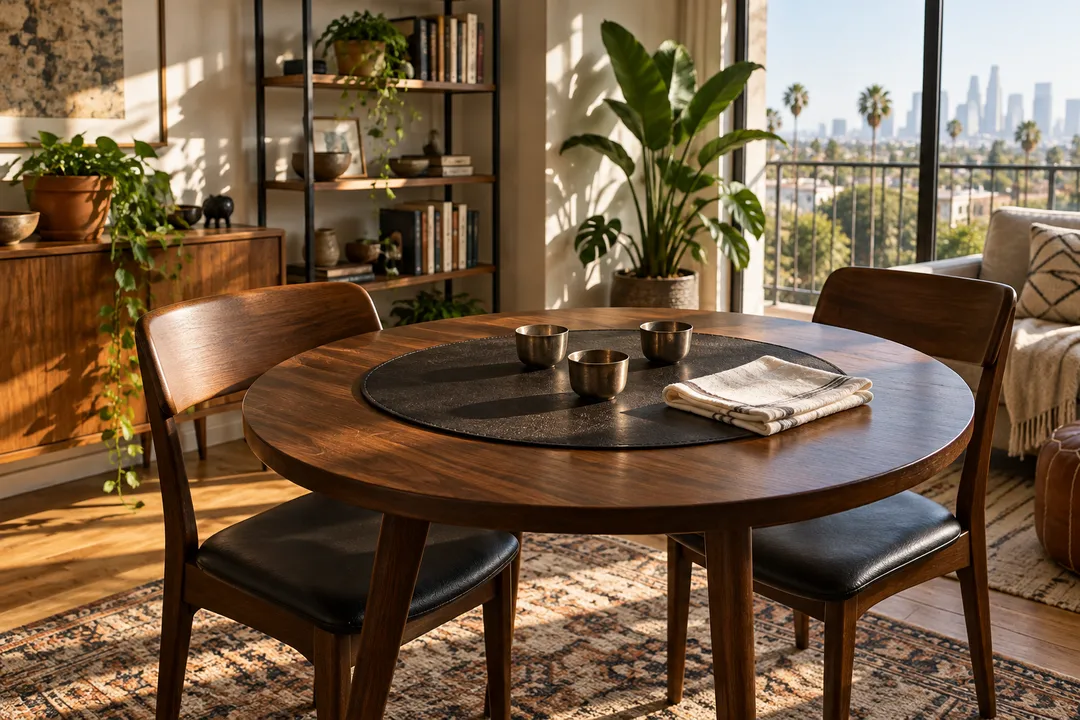
Choose an LA magic shop project around the table you actually own. Measure the usable surface, picture where your audience will sit, and leave room for instructions and a place to put finished props. Those decisions narrow the shopping conversation before you leave home. Use the Karpo APP to arrange a Los Angeles outing around a compact close-up setup, then evaluate each possible purchase against the same practical space instead of imagining a larger stage you do not have.
Measure the working area, not the furniture
A table's full width is rarely the same as the area available for a routine. Subtract the space occupied by a lamp, a shared laptop, or a meal you cannot immediately clear. Notice where the table edge falls relative to your chair and elbows. You can use a sheet of paper to mark the usable rectangle. Bring those dimensions as a note, keeping the task focused on the surface you will genuinely use for practice.
Look underneath as well as above. A low apron, a narrow chair position, or a crowded floor can affect how comfortably you sit and retrieve something you drop. Decide whether the routine will be practiced seated or standing. Avoid buying equipment on the assumption that every performance needs a formal close-up mat or a specialized table. Begin with the physical requirements of the lesson and add support only when you understand what it contributes.
Build a one-room audience picture
Place an empty chair where a friend would sit. Imagine their eye level and what they can see behind your hands. A tabletop routine that reads clearly straight ahead may be less suited to people standing around several sides. Describe that intended arrangement during the product conversation. You are asking whether the effect fits your social setting, not requesting a guarantee that it works from every angle or in every kind of room.
Consider the objects already in the scene. A busy tablecloth can compete visually with small props, and reflective materials can pick up a strong window. Try a plain surface you own and observe the contrast. You can make these observations without exposing any method or performing a complete trick. The purpose is to create a readable space. A modest arrangement with one obvious focus is easier to assess than a table crowded with purchases you have not learned to use.
Tell Karpo where the trip begins and ends
Los Angeles planning benefits from a clear starting area and a limit on how far you want to travel. A sample request is: “Help me plan a local magic-supply browsing outing from my neighborhood. I want a routine for a small dining table, and I would like one relaxed stop afterward.” Add your transport choice and finish time. These details help Karpo organize recommendations around the outing you want rather than a list spread across unrelated parts of the city.
Keep a separate note for the store conversation: usable dimensions, audience position, experience level, and the type of effect you enjoy. There is no need to place all of that technical detail into a broad city-discovery request. Use Karpo for the shape of the afternoon and the product explanation for the individual purchase. If an appealing option takes the day far beyond your travel limit, keep it for another outing instead of expanding the current plan by default.
Compare the complete footprint of a routine
During an offered demonstration, notice where the objects begin, where they move, and where they finish. A routine's footprint includes temporary resting places and the area needed for reset. Ask about the specific product's required surface and additional materials. A small package can still produce a complicated arrangement. Let the explanation reveal the whole setup before deciding whether it belongs on your table, particularly if you need to pack everything away between short practice sessions.
Think about the instruction format in the same physical terms. A book, tablet, or laptop needs a position where you can follow the lesson without pushing props into the audience area. Written notes can help you track the sequence, but do not substitute guesses for instructions you have not understood. Choose a product whose learning materials work with your available space. The usable setup includes both the thing being performed and the way you will learn it.
Choose a surface for a reason
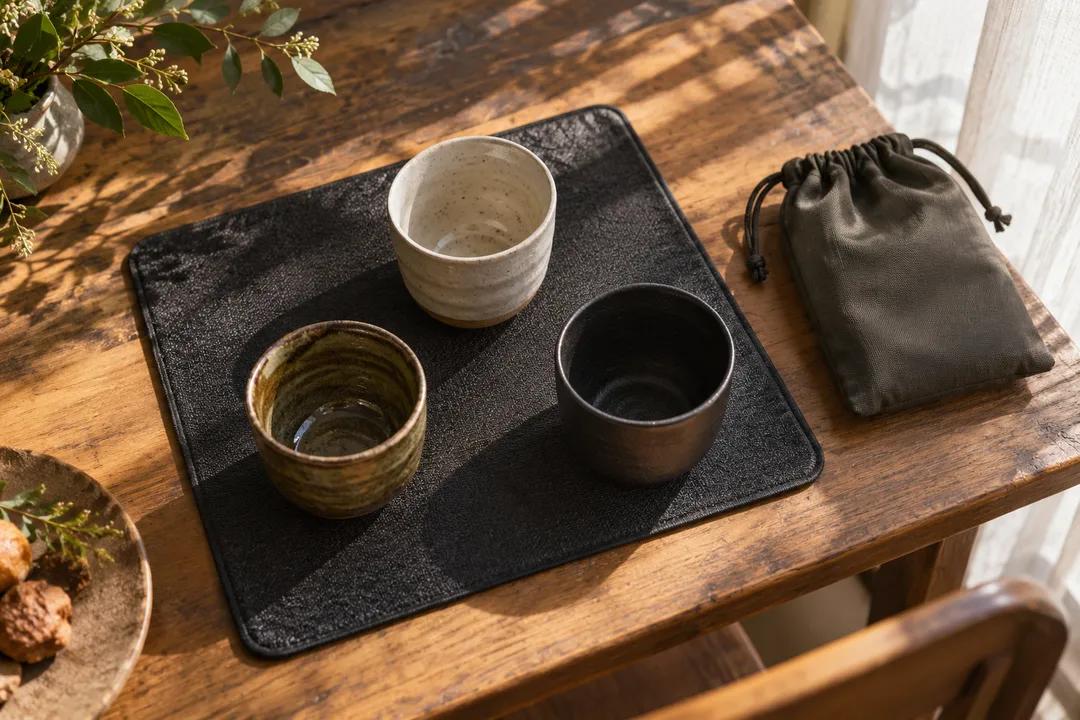
A mat can create contrast and soften contact, but its size and texture should suit the objects you plan to use. If permitted, handle a sample and consider whether its edges lie comfortably on your table. Ask about care and storage using the manufacturer's information for the particular item. A large surface that must be folded into an unsuitable bag can be less convenient than a smaller one that rolls or stores as directed.
Skip accessories whose role you cannot explain. Buying a mat, case, decorative cloth, and several holders together makes it harder to identify what improves your setup. Begin with the minimum arrangement needed for the chosen lesson. You can add equipment after practice reveals a specific difficulty. That sequence also leaves room for personal preferences to develop: a texture that looks attractive on a counter may not feel right when you repeatedly retrieve small objects at home.
Pack for the table you share
Plan an entry point and an exit point for each object. A small tray or pouch can keep unused pieces separate from the active routine, provided it suits the lesson. Keep drinks outside the working rectangle and move unrelated household objects away before beginning. These are rehearsal choices you control. They reduce the need to stop mid-sequence to rescue a component from clutter or remember which pocket contains the next piece.
After your first slow run, clear the setup completely and put it out again. This reveals whether the packing method is easy to understand and whether any small item has an ambiguous place. Count components when the set requires it, and secure them away from children and pets afterward. A repeatable setup makes short sessions more inviting because you can spend the available time on the exercise instead of rebuilding the whole workspace from memory.
Practical Notes for a focused shopping afternoon
Keep the receipt, product name, and instructional access details together. Record any additional items the lesson requires without treating them all as immediate purchases. If a follow-up question arises, describe the exact stage where the table arrangement becomes awkward. A measurement or a simple diagram can communicate that more clearly than saying the routine feels too large. Use private notes for technical details and avoid sharing instructional pages or methods in public posts.
When the main visit ends, give the purchase time to settle into your plans. Ask Karpo for a simple nearby pause or a direct route toward your next commitment, according to your preferences. At home, the first goal is one complete setup that fits comfortably and can be cleared afterward. Your LA magic shop outing succeeds when the equipment, audience arrangement, and learning materials all make sense on the table waiting for you.
Ask Karpo for more information.
Keep reading
- Burbank Film Memorabilia Collector Shop Walk: Studio Stash
 Pasadena Film Memorabilia Collector Shop Walk: Classic Route
 Silver Lake Film Memorabilia Collector Shop Walk: Indie Lore