 Burbank Film Memorabilia Collector Shop Walk: Studio Stash
Hidden Gems & Odd Finds
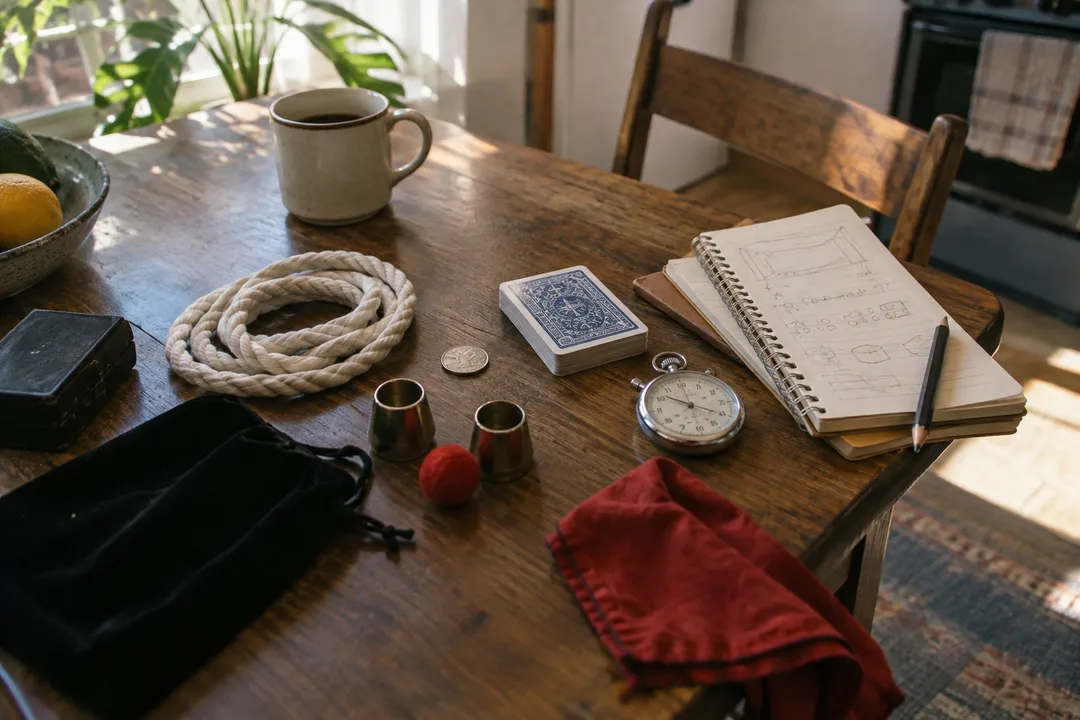
LA Magic Shop: Pick a Beginner Deck Without Overbuying
Choose a beginner deck through a focused Los Angeles magic shop visit, comparing handling, instruction, and practice space before adding extra props.
A beginner deck deserves its own decision process. Start with the hands you have, the table you use, and the kind of practice that sounds enjoyable. In Los Angeles, tell the Karpo APP you want a learning-focused magic shop outing, not a hunt for the biggest box. The route can organize discovery, the feel of the cards and the clarity of the lesson remain your tests.
Let handling lead the deck choice
Run ten ordinary shuffles with any cards at home. Notice whether a narrow deck, a coated finish, or a softer stock feels less tiring. Bring those observations to the counter. Handling comfort is not a minor preference: a learner who avoids a stiff deck will never reach the lesson that came with it, no matter how clever the trick appears in a video.
Separate a self-working lesson from a sleight-heavy lesson before you choose. The former may let you focus on presentation, while the latter asks for repeated finger practice. Neither is automatically superior. Ask which movement a beginner should master first, and whether the instructions show the full sequence without assuming that you already know the vocabulary.
Ask the learning material to earn its place
A deck can be attractive and still be the wrong teaching tool. Compare how clearly the backs and faces contrast under your room light, whether the edges catch on your fingertips, and how the cards survive a nervous grip. Keep one practical criterion above decoration. The first month should reward regular handling rather than make you afraid to mark a new card.
Use a practice mat only if it solves a real problem. A soft surface can quiet the slap of a card and keep coins from rolling, but it also takes space in a backpack. Lay the mat beside your deck and calculate the working rectangle. If the mat makes the routine less portable, note that tradeoff instead of assuming every accessory belongs in the starter bundle.
Build a deck-first practice loop
Give the outing a learning question. You might ask how to maintain a natural break, how to square a packet cleanly, or how to introduce a simple false transfer. Put that question into Karpo APP with your available afternoon and starting area. A specific question leads to a more useful conversation than asking for a general beginner recommendation.
Pay attention to the order of instruction. A good first lesson names the goal, demonstrates it slowly, explains the secret in context, and gives you a small drill. Ask where the practice stops for the day. A deck that arrives with ten effects but no sequence can create choice fatigue, one clear drill often creates the habit you actually need.

Decide what can wait
Leave room for a no-buy decision when the teaching style misses you. If the explanation races, the grip feels painful, or the routine assumes a partner, record the mismatch. You can return to the Karpo APP later with that information. A beginner benefits from a narrow search that respects their body and attention more than from a purchase made to avoid an awkward conversation.
Rehearse the first control without revealing a performance. Place the deck down, pick it up, and repeat the required movement until it feels ordinary. Count repetitions rather than chasing speed. The purpose is to discover where the fingers tense. That detail will tell you whether the chosen routine is a sensible first project or something to postpone until your hands have more mileage.
Practical Notes for beginners
Ask a non-magician to watch the opening. Their job is not to guess the method, it is to say when the action becomes confusing. A beginner deck should let you tell a simple story while your hands learn a new path. If the spectator looks at the wrong place, adjust your script before buying another visual flourish.
Use coins as a Plan B for a tired deck hand. A quiet transfer or vanish can train timing and audience focus without another stack of cards. The substitute should keep the same learning aim, such as making a small object travel. Write the alternate drill beside the deck notes so a missed practice day does not become a lost week.
Turn notes into the next decision
Tell a practice partner exactly what feedback you want. Ask for a note on clarity, tempo, or where the fingers draw attention, do not ask for a score. Clear feedback keeps a beginner from chasing approval and helps protect the pleasure of repetition. A ten-minute session with one useful observation beats an hour of unstructured tricks.
Store cards flat, away from damp pockets and bent corners. Keep the instruction sheet with a pencil, and place the practice mat where it can be unfolded without moving furniture. These tiny habits reduce the friction that stops new learners. The next session should begin with a deck and a question, not a search for missing pieces.
Practical Notes for beginners
A neighborhood pause can help you decide between two decks. Sit somewhere quiet, fan a few cards, and reread the learning notes. Do not add a prop simply because it is colorful. The walk is a reset for your judgment, and the right choice should still make sense when the excitement of the counter has faded.
Finish with a beginner's contract: one deck, one drill, one weekly checkpoint, and one question for the next lesson. Save the contract in the Karpo APP so future local discovery can match your progress. The point of a magic shop visit is not to own every method, it is to make the next practice session easy to start and satisfying to repeat. Give the deck one week of honest use before judging it. Mark which drill felt easier on day one and which became natural by day four. That record keeps a beginner from confusing novelty with progress. When you return to a Los Angeles route, bring those observations so the next conversation starts with real handling evidence rather than another broad request for a miracle solution.
Ask Karpo for more information.
Keep reading
- Burbank Film Memorabilia Collector Shop Walk: Studio Stash
 Pasadena Film Memorabilia Collector Shop Walk: Classic Route
 Silver Lake Film Memorabilia Collector Shop Walk: Indie Lore