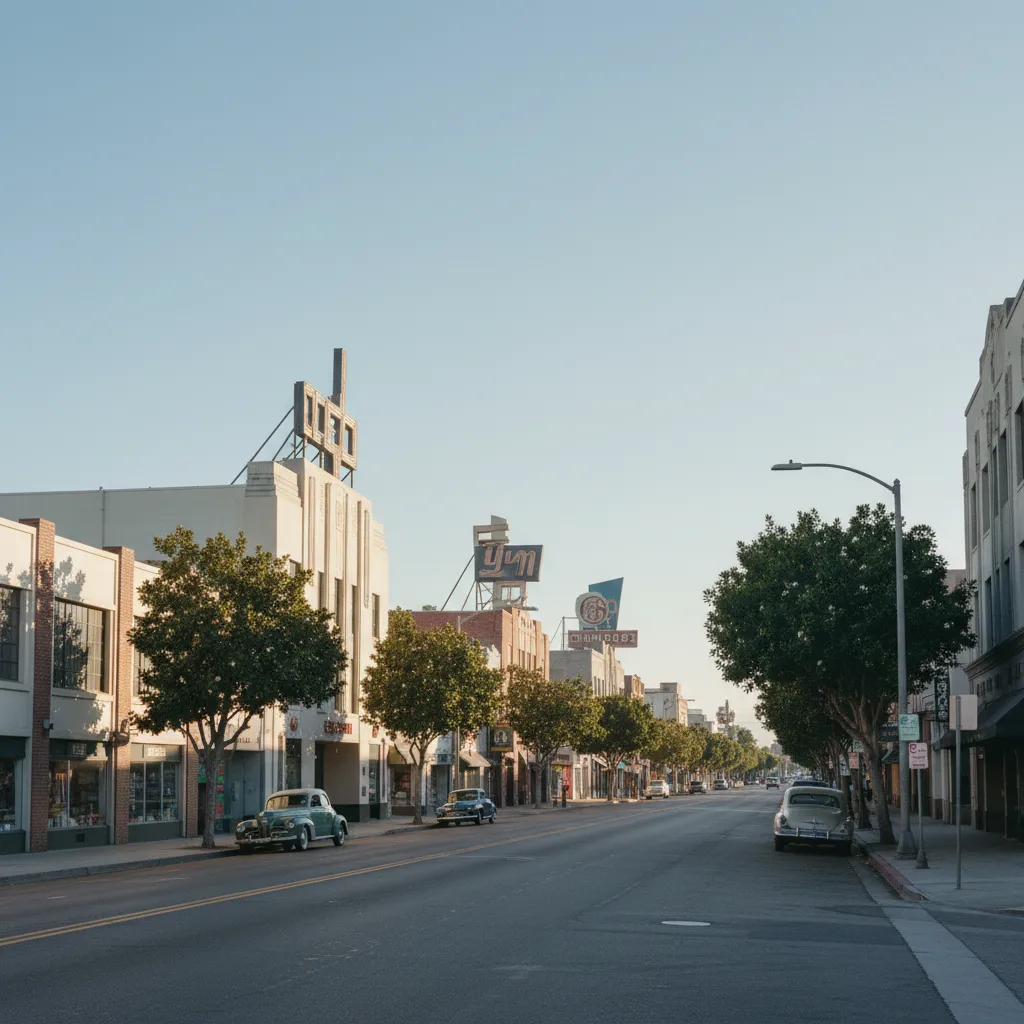
 Burbank Film Memorabilia Collector Shop Walk: Studio Stash
Hidden Gems & Odd Finds
Arts District Leathercraft Supplies Shop Route in Central LA
Plan an inspiring Arts District leathercraft supplies shop route through Downtown LA. Explore industrial studios, thick bridle hides, and solid brass hardware.
Morning sunlight cuts cleanly across the railway spurs and weathered brick facades of the Arts District, where former freight depots now shelter active artisan workshops. For leatherworkers seeking heavy vegetable-tanned hides and sturdy bench hardware, walking through these broad industrial avenues offers an immediate connection to Southern California's manufacturing heritage. Makers arrive carrying sketchbooks filled with pattern dimensions for custom tote bags, heavy utility aprons, and motorcycle tool rolls. The neighborhood breeze carries the scent of roasted coffee beans mingling with cured leather and pine workbench shavings. Setting out along this creative corridor provides an unhurried opportunity to source specialized materials while soaking in the industrious morning atmosphere across historic railway sidings.
Exploring Converted Freight Lofts and Industrial Timber Benches
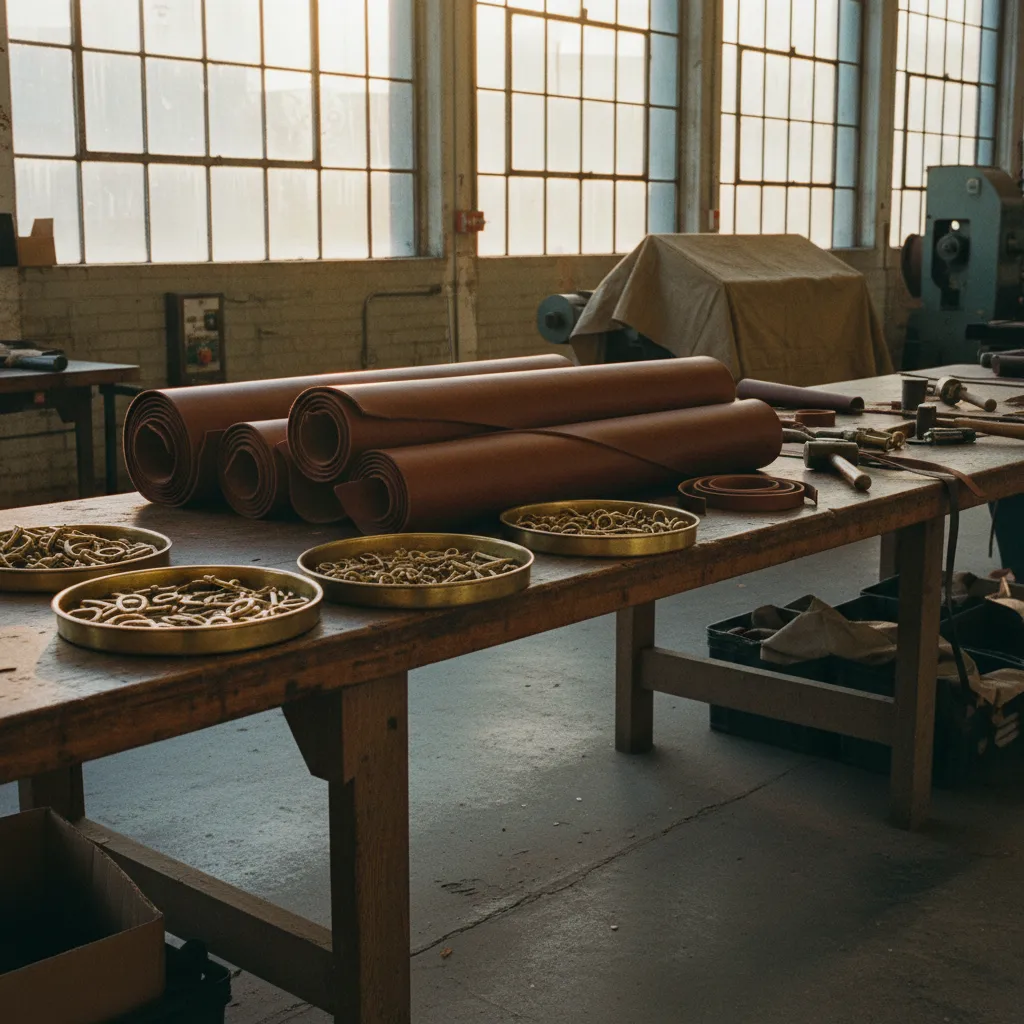
Two theatrical costume designers and a visiting saddlery apprentice begin their morning route near the eastern edge of the district, stepping across old rail sidings toward high-ceilinged maker buildings. Behind tall steel-framed factory windows, expansive timber tables display rolls of heavyweight skirting leather, dark harness sides, and natural strap shoulders. The artisans spend time running their fingertips across smooth grain surfaces, inspecting the natural density and temper required for structural luggage straps. Working in open warehouse spaces allows craftsmen to examine full hides under unfiltered daylight, noting subtle pull-up color variations, authentic grain markings, and surface elasticity that define vegetable-tanned materials.
The spatial scale of the Arts District encourages a generous, focused workflow where makers can unroll entire sides without bumping into narrow retail aisles. Studio attendants share practical recommendations regarding moisture conditioning, explaining how different tallows and oils respond to Southern California's dry inland heat. Visitors pause to compare the firm temper of drum-dyed bridle leather against the supple flexibility of oil-stuffed pull-up hides. Observing how skilled makers handle full hides provides beginners with essential benchmarks for evaluating grain firmness and temper before committing to extensive cutting layouts. The surrounding atmosphere remains calm and purposeful, underscored by the distant rumble of freight trains crossing the Los Angeles River and the rhythmic hum of studio sewing machinery.
Selecting Heavyweight Bridle Leather and Hand Tooling Essentials
Selecting appropriate leather for heavy-duty goods requires a tactile appreciation of thickness and fiber compaction. Within these spacious workshop rooms, wooden racks hold neatly labeled bundles of full-grain cowhide ranging from lightweight lining splits to rugged ten-ounce harness bellies. The saddlery apprentice points out how tight fiber structure along the spine ensures that heavy belt blanks will resist stretching over years of daily wear. Natural undertones of chestnut, deep cordovan, and dark olive catch the skylight illumination, giving designers endless inspiration for custom hardware pairings and structural leather framing.
Beside the leather racks, glass-topped display cabinets house essential hand-stitching equipment and cutting gear. The visiting designers examine diamond-point pricking irons machined from tempered carbon steel, checking tooth spacing to guarantee straight, uniform stitch lines. Wooden edge slickers carved from dense tropical cocobolo sit alongside blocks of purified local beeswax and water-based burnishing gums. Gathering these core supplies ensures that every hand-stitched seam will sit flush and watertight against the beveled leather edge during rigorous everyday use.

Curating Solid Brass Fasteners and Cast Hardware Trays
A dedicated corner of the atelier floor features compartmentalized wooden trays overflowing with solid brass and blackened iron fasteners. Makers sift through cast roller buckles, heavy D-rings, and precision-machined Chicago screws, testing the weight and tactile action of each clasp. Solid brass components develop a soft antique patina over time, echoing the natural aging process of unsealed vegetable-tanned hides. The designers select matching sets of copper dome rivets and burrs, visualizing how the bright metal accents will punctuate the dark bridle leather of their upcoming stage luggage project.
Finding hardware with consistent wall thickness and dependable tensile strength is a critical priority for bespoke leatherworkers. Rather than settling for stamped alloy fittings, craftsmen along this route value cast and polished brass that can withstand rugged everyday strain. Conversations at the hardware trays often turn to assembly techniques, such as pre-punching rivet holes with rotary drive punches and setting burrs with weighted rawhide mallets. Experienced makers frequently recommend testing fastener tension against leather sample scraps to ensure clean setting alignment prior to final assembly. The tactile satisfaction of sorting through heavy hardware pieces grounds the design process in physical durability and timeless utility.
Midday Walking Breaks Along Historic Freight Corridors
Stepping outside into the midday warmth, the trio takes a restorative walking break along the district's wide paved alleys. Towering exterior murals painted by local studio artists add vibrant splashes of turquoise and terracotta to the raw cinderblock warehouse walls. The pace of the neighborhood feels pleasantly grounded, offering bench space near shaded planter boxes where makers can unfurl paper patterns and refine their dimensional cutting lists. Nearby roasteries and quiet espresso bars provide refreshing iced drinks without breaking the creative momentum of the day.
Wandering along these industrial avenues reveals architectural remnants of the city's citrus packing and rail shipping past, from loading dock ramps to weathered wooden freight doors. This backdrop serves as visual fuel for craftspeople whose own work honors functional longevity and honest materials. Watching sunlight shift across the concrete pavements helps the artisans visualize how finished leather pieces will look when carried through bright urban environments. The relaxed rhythm of the stroll allows ideas to settle before heading into the afternoon sourcing session with renewed focus.
Studio Exploration Advice and Sourcing Recommendations
When sourcing materials across Downtown Los Angeles, identifying suitable workshops becomes much simpler when you clarify your specific requirements before heading out. Using the Karpo APP allows artisans to specify their neighborhood focus, required hide weights, or specific hardware needs to browse relevant nearby studio recommendations. Readers can review these neighborhood options at their own pace, choose the ateliers that best fit their creative project, and freely decide the visiting order that suits their personal schedule.
When embarking on an Arts District shopping walk, wearing supportive work shoes and carrying a sturdy canvas portfolio will keep your leather swatches and hardware receipts organized. Engaging openly with fellow makers along the counters often yields helpful tips on local dye mixing, saddle stitching ergonomics, and upcoming open-studio gatherings. Combining focused material sourcing with an unhurried exploration of the neighborhood's industrial architecture turns a simple shopping errand into a deeply rewarding creative pilgrimage that nourishes both skill and imagination.
Ask Karpo for more information.
Keep reading
- Burbank Film Memorabilia Collector Shop Walk: Studio Stash
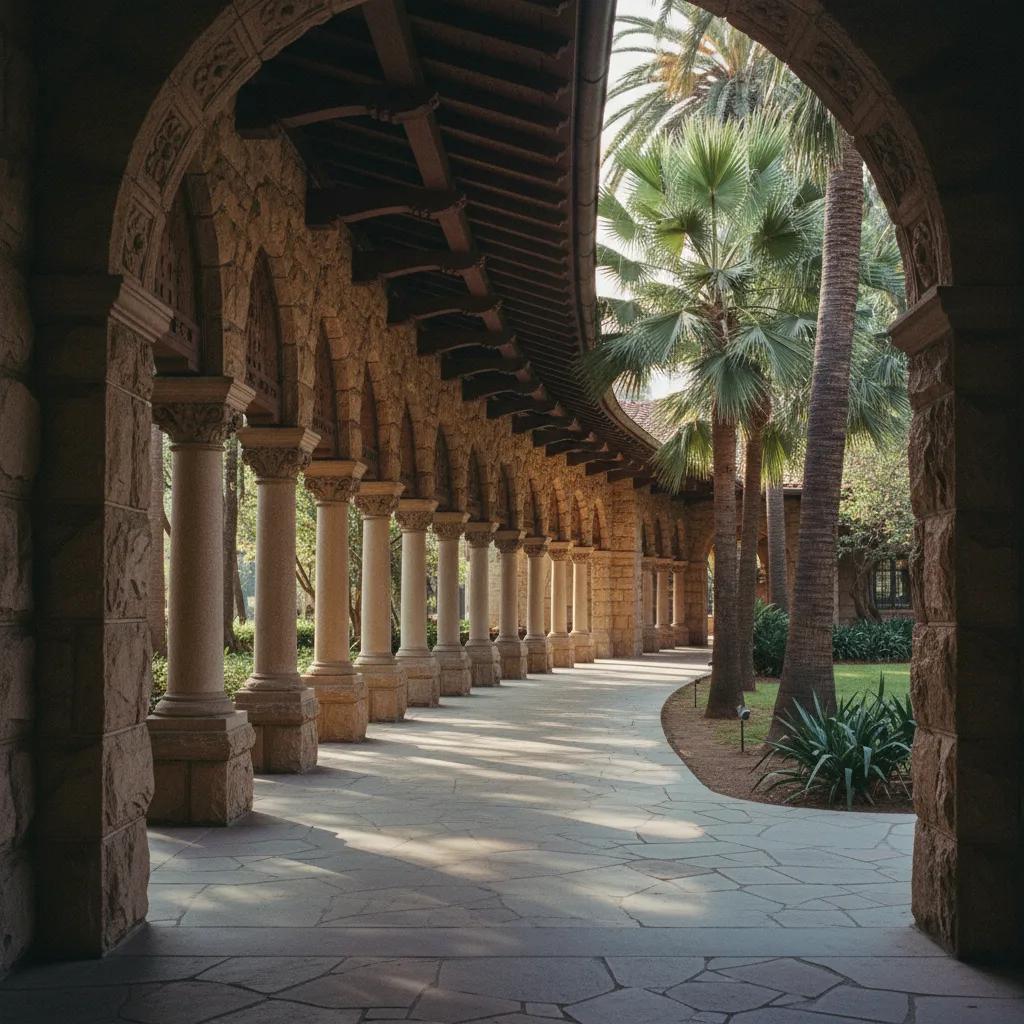 Pasadena Film Memorabilia Collector Shop Walk: Classic Route
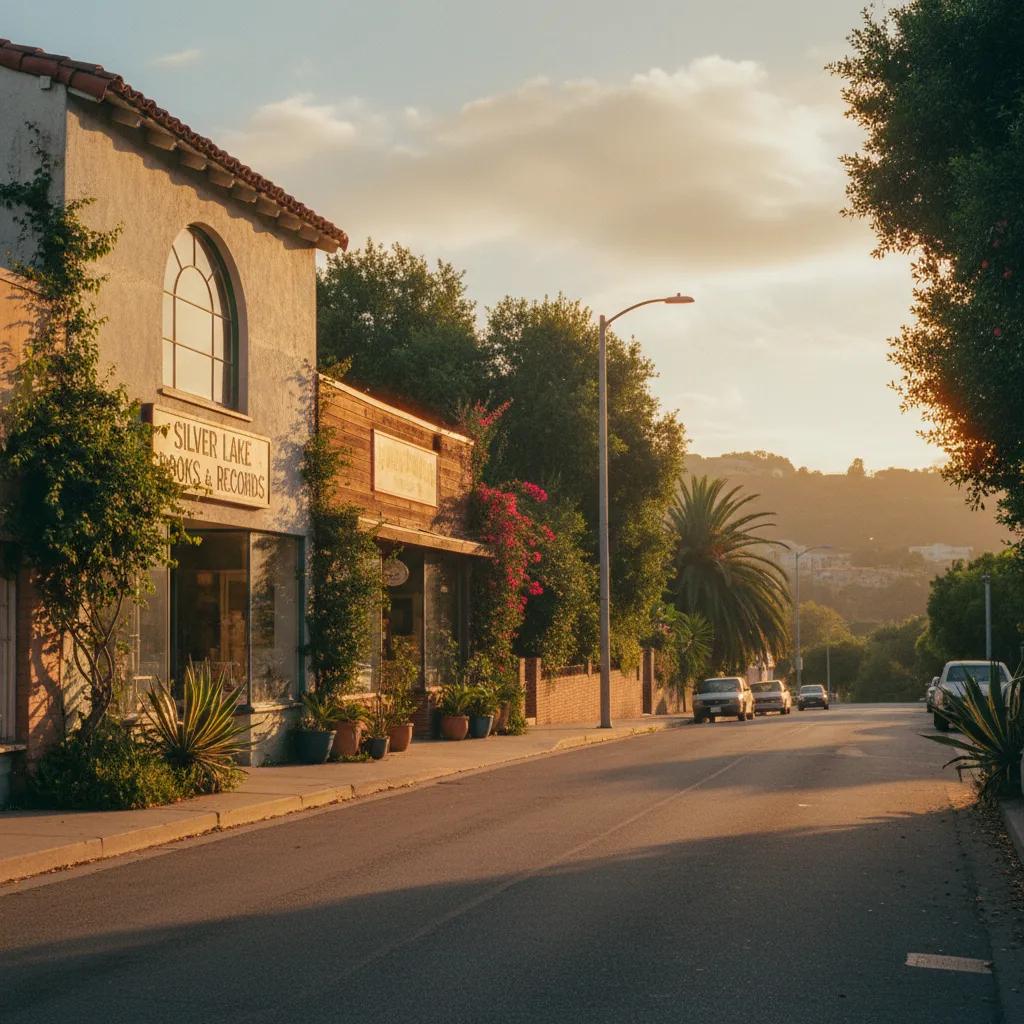 Silver Lake Film Memorabilia Collector Shop Walk: Indie Lore