 Burbank Film Memorabilia Collector Shop Walk: Studio Stash
Hidden Gems & Odd Finds
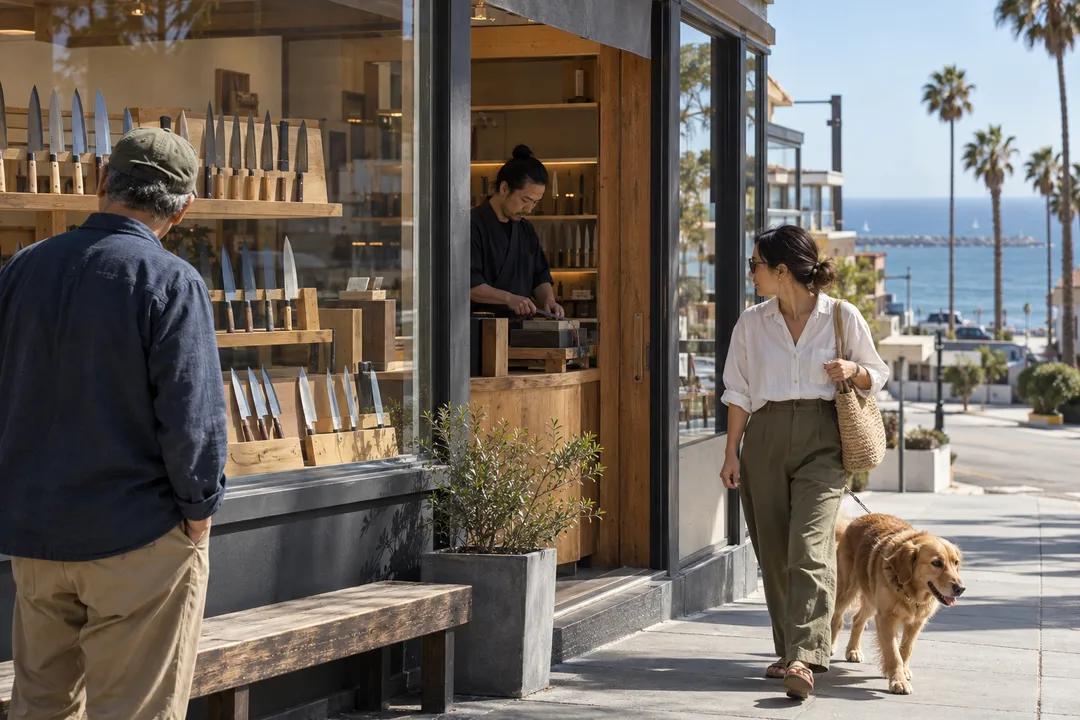
Yoshihiro Knife Sharpening Shop: Weekday South Bay Tips
Yoshihiro Cutlery at 2207 Artesia Boulevard offers Redondo Beach knife sharpening, weekday showroom access, and Japanese edge guidance for careful cooks.
Yoshihiro Cutlery in at 2207 Artesia Boulevard in Redondo Beach gives local cooks a specialist knife sharpening shop stop built around Japanese blade knowledge and a deliberate handoff. The listed hours are Monday through Friday from 10am to 5pm, with weekends and holidays closed. The trip makes sense when you bring the actual knife, its story, and enough time for a conversation about geometry rather than asking for a generic sharp edge.
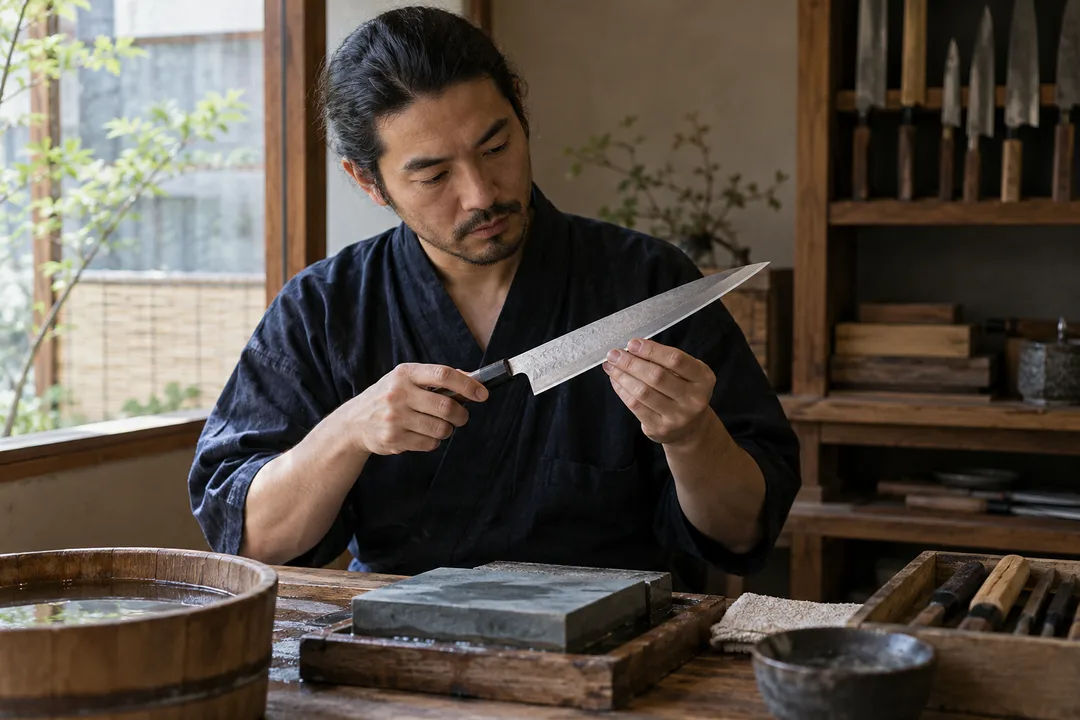
Before the Redondo Visit
The Redondo Beach specialist question is A specialist cutlery visit starts before the door. Identify the knife’s maker, steel if known, length, bevel, and usual job. A gyuto used for herbs may need a different finish from a petty knife used for fruit, while a single-bevel slicer has its own logic. Even a beginner can supply useful information by explaining what the blade cuts and what it now does poorly.
Read the Japanese Edge
Yoshihiro’s Japanese focus makes Yoshihiro’s Japanese focus makes edge geometry a central topic. Hard steel can hold a refined edge but may punish careless twisting; a softer workhorse can tolerate a different routine. The question is not whether one number is the correct angle for every blade. It is whether the proposed treatment matches the steel, bevel, cutting board, and hands using the knife every day.
Steel, Bevel, and Daily Use
For this blade, geometry matters: Carry the knife like a valuable instrument. A saya or rigid guard is preferable, and a wrapped blade should sit in a stable bag with the handle easy to identify. Do not put it loose beside groceries or beach gear. At the counter, describe any chip, rolled section, rust, thinning, or earlier machine work before discussing finish. History changes the service decision.
Safe Packing for a Specialist
The handoff should begin with The best counter question is what the shop will do and what it will not do. Ask whether routine sharpening, thinning, chip removal, serrated work, or tip repair are separate categories. Ask how intake and pickup are recorded. A specialist who asks follow-up questions is not creating friction; the staff is separating a normal maintenance job from work that needs a different bench.
Separate Sharpening From Repair
Ask the counter to separate Skip an invented price list. The public material used here supports the location and specialist identity, not a universal charge for every blade. Ask about your knife’s length, steel, bevel, and condition. A clear quote for one tool is more useful than a cheap-sounding range that ignores repair work. Keep any estimate with the intake details so the pickup conversation has a record.
Ask for a Blade-Specific Quote
A quote is meaningful only after Redondo Beach changes the shape of the errand. This is a Redondo Beach trip, not a casual downtown detour, so combine it with only the stops that keep the wrapped tool safe and the timing comfortable. Avoid carrying an exposed blade through a long restaurant visit. If you want a coastal walk, schedule it before intake or after pickup, not between the two.
Make the Redondo Beach Trip Work
Redondo Beach turns this into The shop suits a cook who owns a Japanese knife, a professional who notices edge performance, or a curious learner ready to describe technique. It is not the easiest choice for someone who wants anonymous, same-hour convenience. Specialist value comes from matching the result to the blade. Bring questions, but accept that the correct answer may include a slower process or a repair referral.
A Damaged Knife Can Wait
The blade to skip carrying is The honest skip is a rush appointment with a knife that has visible structural damage. A bent tip, deep chip, loose handle, or severe thinning deserves a careful assessment, not a promise made from the car. If the schedule is tight, preserve the tool at home and use another knife. A delayed specialist visit is cheaper than an improvised repair that removes too much steel.
Protect the Edge at Home
At home, protect the edge by Until the appointment, use a sound board, hand-wash and dry the blade, and keep it out of a drawer without protection. Honing can help alignment, but it cannot restore a worn bevel or repair a chip. If you want to practice stones, start with a less important knife. The valuable blade should be the item you learn to protect, not the one you learn by damaging.
Photograph the Baseline
Photograph the knife before Take two photographs before the visit: one of the full blade and one of the edge under ordinary light. Record the handle condition and any marks that distinguish the knife from another in the same household. Those details are useful at pickup and for future maintenance. A small record turns a one-off service into a traceable routine instead of a vague memory of how sharp it felt.
Plan for Coastal Weather
Coastal weather deserves its own The Redondo Beach route deserves a weather plan. Heat, wind, and traffic can make a wrapped metal tool unpleasant to carry, even when the shop is open. Put the exact address into the route before leaving and leave a buffer around the listed hours. If the return trip becomes inconvenient, keep the blade safely packed rather than opening the wrap on a sidewalk or in a car.
Hear the Work Explained
Pickup should include an explanation of At pickup, ask what changed in the edge and what the shop recommends between visits. Test the knife at home on a normal ingredient rather than performing a risky fingertip test. If the result feels different from what you requested, describe the use case clearly. A specialist can respond to a specific mismatch; the staff cannot solve an undefined feeling that the knife is somehow wrong.
Why Specialist Context Matters
Yoshihiro treats the knife as Yoshihiro is valuable as a place where a knife has a context. The blade is not only a piece of steel; the knife is a tool with a job, a grip, a board, and a maintenance history. That does not mean every visit requires an elaborate ritual. It means the most convenient outcome is the one that respects the tool enough to ask the right question first.
Return With a Maintenance Plan
For the return journey, Use Karpo APP to plan the Redondo Beach timing around the service window, a safe coffee stop, or another destination that does not require exposing the knife. Ask for alternatives if the shop recommends a longer repair path. The point is not to make the trip sound effortless; the goal is to make the handoff clear, the route realistic, and the edge useful when it returns home.
Ask Karpo for more information.
Keep reading
- Burbank Film Memorabilia Collector Shop Walk: Studio Stash
 Pasadena Film Memorabilia Collector Shop Walk: Classic Route
 Silver Lake Film Memorabilia Collector Shop Walk: Indie Lore