 Burbank Film Memorabilia Collector Shop Walk: Studio Stash
Hidden Gems & Odd Finds
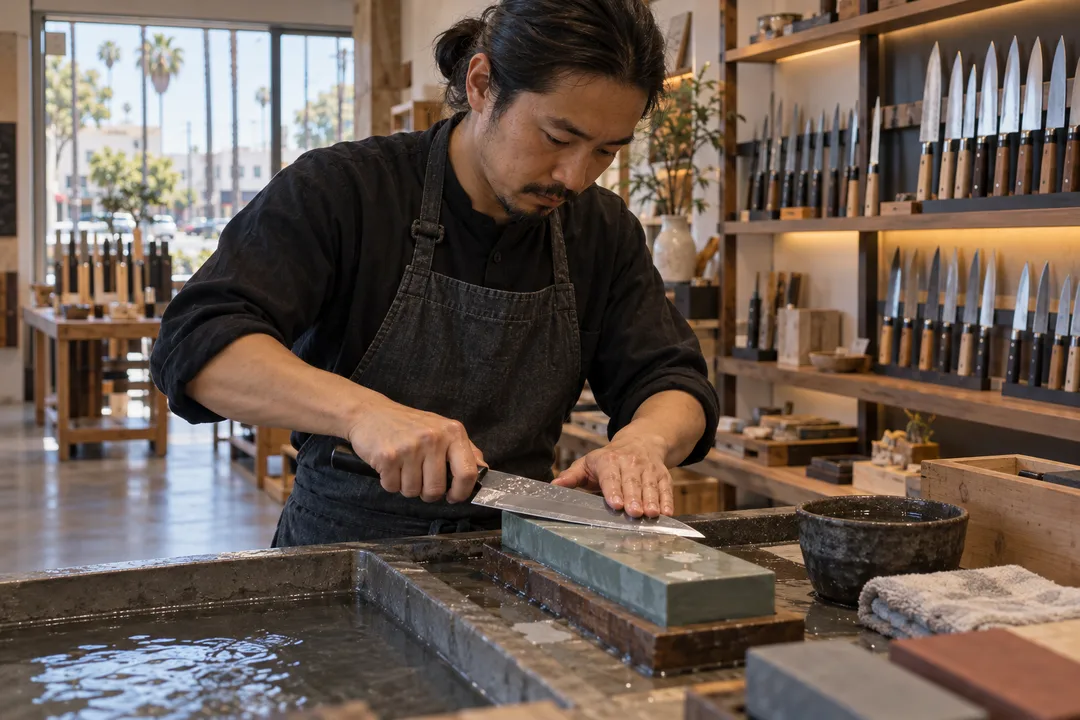
Japanese Knife Imports Knife Sharpening Shop: Weekday Tips
Japanese Knife Imports at 8661 W Pico Boulevard is a Los Angeles knife sharpening shop open Monday through Friday, with stone work and careful edge advice.
Japanese Knife Imports at 8661 W Pico Boulevard is a real Los Angeles answer for a cook searching for a knife sharpening shop near me. The official site describes an LA shop devoted to Japanese kitchen knives and sharpening stones, with store hours Monday through Friday from 11am to 6pm PST. The practical headline is just as important: sharpening is open, but same-day availability is not offered.
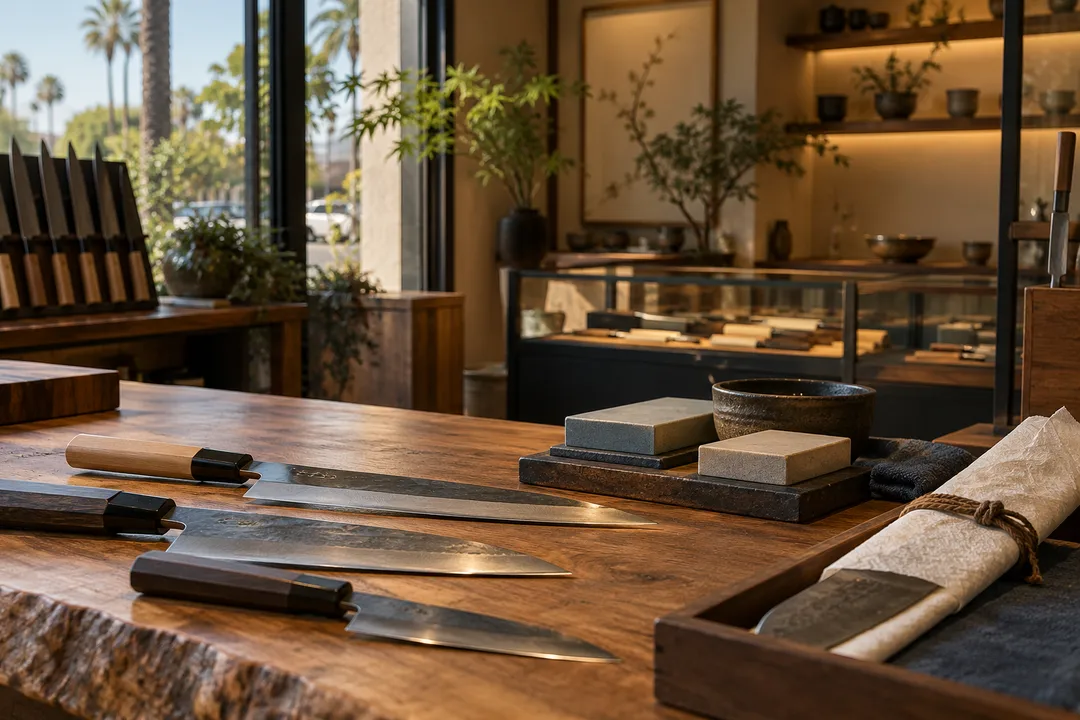
What JKI Says About Service
This is a specialist stop rather than a generic hardware counter. The shop's focus on Japanese knives and stones makes the visit useful for cooks who want to understand edge angle, stone progression, and the difference between ordinary maintenance and a major repair. That context is why a clear description of the knife matters. Bring the tool's maker, steel if known, and the foods that reveal the problem instead of asking for an abstract “sharp” result.
A Weekday-Only Plan
The schedule is Monday through Friday, 11am to 6pm PST, so this is a weekday errand. Do not build a Saturday plan around the address. A morning arrival gives you more room for questions and transit delays, while a late-afternoon drop-off leaves less margin before the listed closing time. The store's own service note makes the same-day limit explicit, which means a rushed lunch-break rescue is the wrong promise to make to yourself.
Same-Day Is Not the Promise
The important service boundary is written plainly on the official site: sharpening services are open, there is no same-day availability at the moment, and major repairs such as thinning or refinishing have limited availability. Treat those lines as planning information, not fine print. If the knife has a chip, bent tip, or uneven previous repair, describe that before work begins. A routine edge refresh and a structural correction are different jobs.
Bring the Right Information
Before leaving home, wipe the blade clean and protect it with a saya, rigid guard, or folded towel inside a stable bag. Note the handle maker and whether the knife is single bevel, double bevel, serrated, or unusually thin. A picture of the blade can help explain the issue, but it does not replace bringing the actual tool for inspection. The goal is a safe, specific handoff that avoids a second unnecessary trip across Los Angeles.
Why Stone Work Matters
Stone work rewards patience because the abrasive choice changes the edge rather than simply brightening it. A hard Japanese blade may need a thoughtful progression, while a damaged edge can require more material removal than a normal maintenance pass. JKI's site also sells sharpening stones and supplies, but buying equipment is not the same as booking service. Ask which path fits your skill, deadline, and tolerance for learning before taking home a new stone.
A Beverlywood Food Detour
Pico Boulevard gives the errand a useful neighborhood frame. After the knife is secured, keep the next stop short and choose a café or meal that does not require carrying an exposed tool through a crowded room. Use Karpo APP to find something nearby that matches the actual pickup plan. The point of the detour is not to build a full sightseeing day; it is to make a specialist weekday appointment feel manageable.
Who Should Make the Trip
The best visitors are serious home cooks, line cooks, and knife owners who can wait for the right service rather than demanding instant turnaround. A beginner can come too, especially if the question is how to maintain a new blade. The unspoken rule is to respect the shop's technical vocabulary without pretending to know it all. Say what the knife does poorly. That answer is more valuable than naming a grit number from memory.
When to Choose a Different Fix
Choose another solution when dinner service starts tonight, when you need a same-day result, or when the knife requires a major repair that the official site says has limited availability. A local general sharpener may be faster for a basic western chef's knife, but it may not be the right fit for a thin Japanese edge. The tradeoff is clear: JKI is for informed specialist care, not an emergency queue with a guaranteed clock.
Pack for a Safe Handoff
The safest packing method is boring and effective. Dry the knife, cover the edge and point, separate it from loose metal objects, and put the bag where it cannot slide under a car seat or into a crowded backpack pocket. Tell the staff whether the tool is used every day or stored as a special piece. That information helps distinguish a practical working edge from a collector's preference for a particular finish.
Read the Blade at Home
At home, pay attention to the first three foods after service. Soft tomatoes, herbs, squash, and protein each expose different edge behavior. Do not test a newly serviced knife by twisting it through a hard object or scraping the board. Use a stable surface, wash by hand, and dry immediately. Those simple habits let the sharpening work last long enough to teach you something about steel and technique.
The Repair Boundary
The repair boundary deserves a direct question. Thinning, refinishing, chips, and a bent tip are not interchangeable with routine sharpening, and the official site specifically says major repair availability is limited. If your blade needs one of those jobs, ask whether the shop is accepting it before making the trip. A precise question saves more time than a vague promise that every dull knife can be restored on demand.
Rain and Travel Time
Los Angeles travel time can quietly erase the benefit of a specialist appointment. Leave a buffer for Pico traffic, keep the protected knife with you, and avoid stacking the visit between two immovable meetings. If rain arrives, add a waterproof outer bag without letting the blade sit wet. The practical schedule is the one that protects the tool and leaves enough time for an honest intake conversation.
Build a Maintenance Record
Keep a small service note with the date, the knife model, the edge style, and the foods you cut most. Record whether the blade came back with a different feel and how long that improvement lasted. The next visit then starts with evidence rather than memory. For a Japanese knife, that record is especially useful because maintenance frequency depends on steel, angle, board, washing, and workload—not only on the calendar.
A Clear Verdict
My verdict is straightforward: Japanese Knife Imports is worth the weekday trip when you want specialist knowledge and can accept that same-day service is not available. The official site gives the address, Monday-to-Friday 11am-to-6pm hours, and the limits on major repairs. I would skip it for a dinner emergency, but I would choose it for a considered edge reset, a stone question, or a blade that deserves careful handling.
Ask Karpo for more information.
Keep reading
- Burbank Film Memorabilia Collector Shop Walk: Studio Stash
 Pasadena Film Memorabilia Collector Shop Walk: Classic Route
 Silver Lake Film Memorabilia Collector Shop Walk: Indie Lore