 Sawtelle Bowling Group Night Planner for a College Reunion
Sports Social
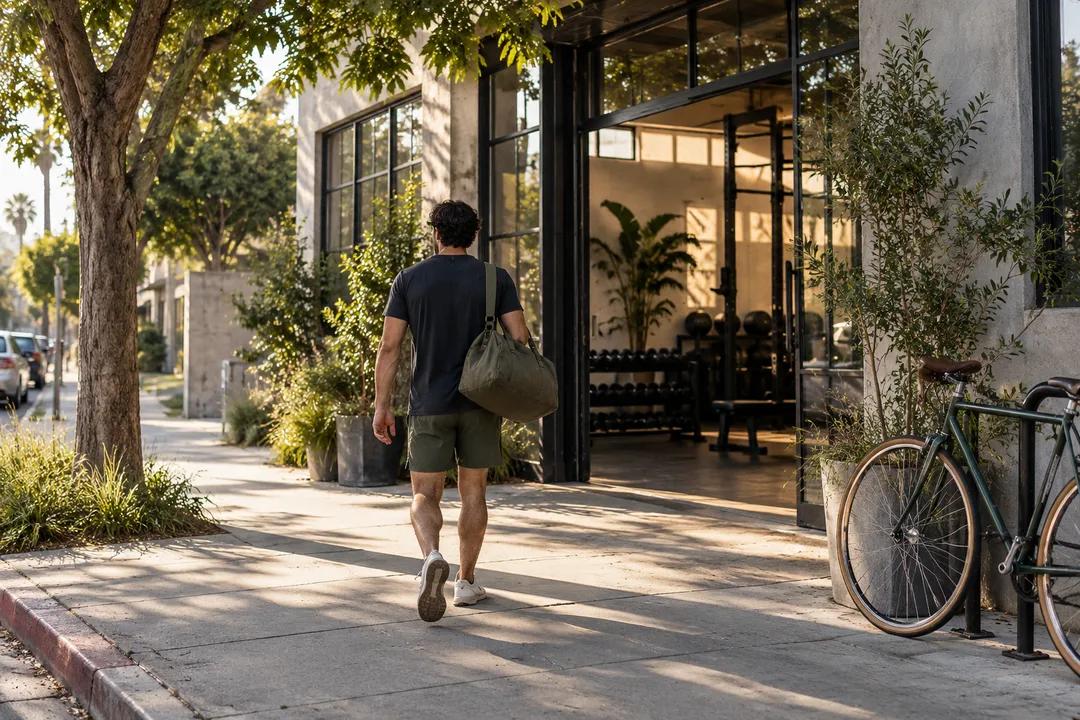
LA Kickboxing Gym: Compare 3 Parts of Your Route
Compare an LA kickboxing gym route through departure, arrival, and the trip home; narrow your search with real endpoints before choosing a first class.
Compare three parts of an LA kickboxing gym route: leaving your actual starting point, reaching the class entrance ready to participate, and getting to your final destination afterward. A nearby map pin answers only part of that question. Your trip may begin at work rather than home, and the return may use a different mode of travel. Build the outing from those real endpoints before deciding which introductory class deserves a closer look.
Departure is a place and a moment
Begin with the location from which you can realistically leave. A neighborhood label can be too broad when your office, home, or appointment sits far from the route you expect to use. You can describe a nearby landmark or intersection without sharing a private address. Add the day and earliest departure time. These details turn "somewhere convenient in LA" into a practical search constraint and help distinguish a short distance from a journey that fits your evening.
Keep a second departure scenario if your week changes. For instance, a reader might leave from home on one day and from an office on another. Those should be two separate comparisons, not an average journey invented between them. One studio may fit both, or neither. The point is to know which version of the outing you are evaluating. A route that works when you work remotely does not automatically work after an in-person shift.
Arrival includes the entrance
For the second part, use the actual branch and the entrance instructions attached to the session. A studio brand can operate more than one location, and a class listing may lead to a particular room or floor. An address alone does not explain where a newcomer should go. Put any supplied arrival requirement beside the class start. Do not borrow instructions from another branch or assume that the building entrance and training room share the same access point.
Getting ready also occupies time. Think through where you will change, what you will carry, and whether you need to collect equipment. Include those activities only as your planning needs until the provider explains the arrangements. A class start is not a promise that you can arrive at the street corner at that instant and participate. If an offer lacks the newcomer instructions you need, keep that gap visible while comparing the rest of the outing.
The third leg has its own destination
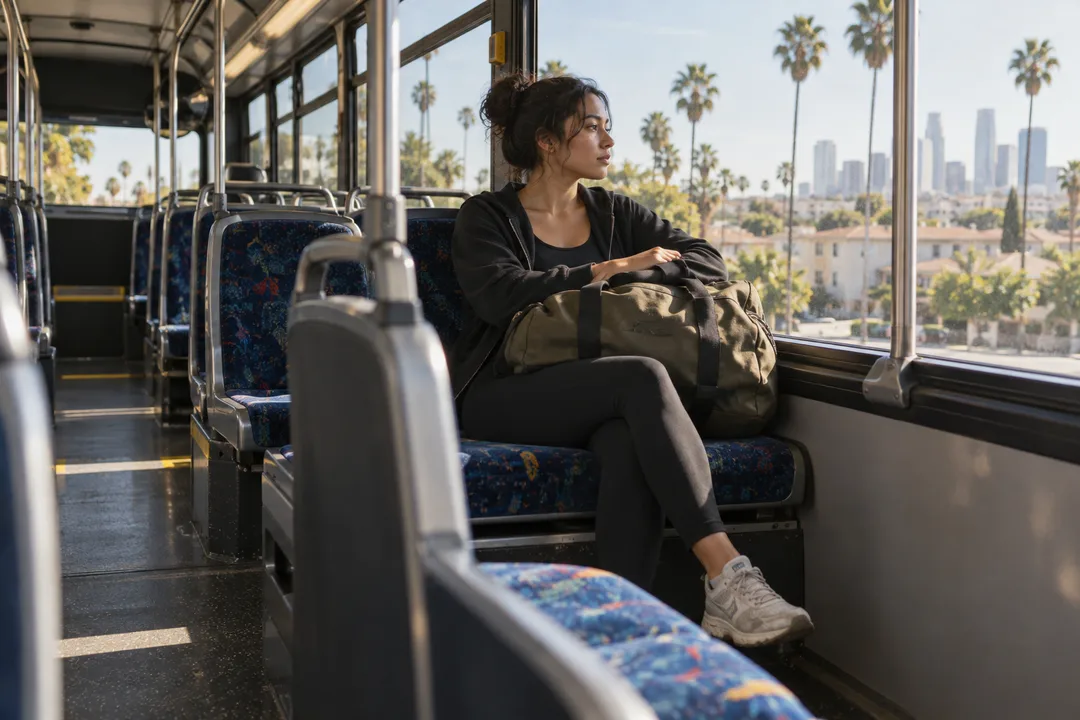
Write down where you want to end the evening. It might be home, a friend's place, or a transit connection. Avoid automatically reversing the outbound route, particularly if someone is dropping you off or you expect to use another mode afterward. A convenient ride to class can hide an awkward return. Treat the final leg as part of the choice from the beginning, so a recommendation does not look practical merely because its arrival works well.
For a driving option, keep the named parking arrangement and its stated conditions separate from the route to the studio. Do not infer free parking from a photograph of a lot. For a transit option, consider the walking connections shown in the route you are evaluating. For cycling, ask what storage arrangement the venue actually provides. This page supplies no live traffic estimates, service frequencies, parking prices, or claims about the conditions of a particular street.
Ask Karpo for a bounded comparison
A useful request in the Karpo APP could be: "Help me compare LA kickboxing introductions from my office area, with enough arrival time for a first visit and a return toward home. I would rather avoid driving." Replace the general locations with the landmarks you are comfortable sharing. Then give a day and a personal latest finish. These are inputs to a search, rather than a report that a suitable class or route has already been found.
If the suggestions cover too large an area, tighten one boundary. You might keep the class format and departure point but narrow the acceptable return destination. If the proposed journey is inconvenient, say which leg causes the problem. "The change between buses is awkward after class" is more useful than "closer, please." Specific feedback allows the next comparison to address the actual friction. It also helps you distinguish travel concerns from uncertainty about the exercise itself.
Compare complete outings, not isolated minutes
Take two hypothetical options. One is closer to work but requires a separate journey home in the opposite direction. Another sits farther away but aligns with the destination you already need. Neither wins from that description alone. Put both full sequences side by side, including preparation and the final leg. This avoids awarding convenience to the shortest outbound distance without considering the rest of your evening, and it makes any unanswered transport condition easier to spot.
Travel estimates belong to the route and time for which they were supplied. Record that context in your own comparison instead of treating one number as a permanent property of the gym. This article does not promise that a particular road or connection will stay within a time limit. You can still make a useful decision by defining the amount of travel you are willing to accept and rejecting options that already exceed that personal boundary in the plan.
Keep a fallback that changes one thing
A fallback is most useful when it responds to the likely obstacle. If leaving work is uncertain, another day could be a better alternative than a more distant venue on the same tight evening. If the return is the problem, a class closer to your final destination may deserve attention. Avoid collecting a long list of backup studios without knowing why each is there. Every extra option should answer a specific weakness in the primary plan.
Any extra walk or food stop should remain optional. An introductory session is already a reason to visit a different part of the city, but adding several destinations can obscure whether the class route works on its own. Choose the main outing first. If there is room afterward, you can ask Karpo for something along the return rather than planning another crossing of LA. A missed optional stop should not unravel the activity you originally wanted to try.
Practical Notes for a usable route record
Save one short record with your departure landmark, selected branch, session date, supplied arrival instructions, and final destination. Beside it, keep unresolved details as questions instead of completed facts. No named venue or journey duration is endorsed here, and the photographs are generated illustrations of anonymous travel settings. The result of this method is a clear brief for comparing real offers. Booking remains a separate step, tied to the class and conditions you eventually choose rather than the attractiveness of a map pin.
Ask Karpo for more information.
Keep reading
- Sawtelle Bowling Group Night Planner for a College Reunion
 Larchmont Bowling Group Night Planner for Carpool Parents
 Boyle Heights Bowling Group Night Planner for a Quince Court