 Sawtelle Bowling Group Night Planner for a College Reunion
Sports Social
LA Kickboxing Gym: Fit One Trial Around Your Week
Fit an LA kickboxing gym trial around work and your next day; compare package expiry, booking flexibility, and a return plan you can realistically use.
A repeatable LA kickboxing gym plan leaves room for life between classes. Before choosing a package, decide how a trial will fit around work, other exercise, and the following day's commitments. The aim is to learn whether the experience belongs in your week. This is a planning exercise, not a recovery prescription: no class duration, training frequency, or level of effort suits everyone, and a gym search cannot decide those personal questions for you.
Look at the day after the trial
It is easy to judge a class by whether you can reach the start. Put the next morning on the page as well. An early appointment, a long shift, or another demanding activity may make a particular evening a poor experiment. You do not need a complicated calendar model. Write the commitment that follows the trial and ask whether you would still choose the session if the whole sequence were visible when you booked it.
Use an ordinary week as your reference rather than an unusually empty one. A trial during a quiet holiday may tell you about the class while telling you little about the routine. If you want something you can return to, compare offers against the week you actually expect to have. Keep occasional visits as a separate possibility. Enjoying a one-off outing is worthwhile even when there is no reason to turn it into a standing commitment.
Describe the flexibility you need
In the Karpo APP, you can express a search in everyday language: "I want to try kickboxing in LA without committing to several visits immediately. Help me compare beginner sessions that fit a lighter week." Add the days you are free, the area you will leave from, and any firm no-contact preference. The request gives recommendations a direction. It is not evidence that Karpo has assessed your fitness or found a medically appropriate exercise program.
The follow-up matters when the first set of options misses the point. If a suggestion requires several visits during a short introductory period, explain that the expiry is the problem. If the format sounds appealing but the evening is too crowded, change the day rather than changing every requirement at once. That makes the conversation useful: each response addresses one practical obstacle, and the shortlist becomes easier to understand as you refine your own priorities.

Separate flexibility from a low headline price
For a trial offer, note the number of included visits and the last day they can be used. Then count how many of those visits fit the calendar you just described. A package of several classes can have poor value for you even when its advertised cost per class looks attractive. Your comparison should use the visits you can realistically attend. There are no merchant prices on this page because no particular introductory offer is being quoted.
Next, read the conditions for cancellation, moving an appointment, and missing a session. These are different events and may have different consequences. Avoid summarizing all of them as "flexible." If you need room to move a visit, the relevant condition is the rescheduling rule attached to that booking. Leave any unexplained term unresolved until there is an actual answer. Do not assume that a friendly sales message changes the written conditions of a purchased package.
Make the first visit answer a small question
Choose one purpose for the trial: understanding the teaching style, experiencing the class format, or learning whether the room feels comfortable. A first visit does not have to measure progress or establish a personal training target. You can tell an instructor that you are exploring the format and ask how participation is introduced. Specific questions about adaptations or personal limitations belong with an appropriately qualified professional, rather than being settled by the wording of a recommendation.
Notice how the session allows you to communicate. Is there a clear moment to explain that this is your first visit? Are instructions understandable? Does the advertised format match what you experience? Those observations can inform another booking without requiring you to label the class as universally easy or hard. A session experienced as manageable by one person can feel different to another. Keep your own account descriptive, and avoid using someone else's enthusiasm as a target you must match.
Leave space before making the next purchase
Buying the largest package immediately after a trial can make the routine decision harder to evaluate. Take the information about terms and put it next to your calendar before deciding. If an introductory deal only makes sense when you attend more frequently than you wanted, skip that deal. A smaller purchase, an occasional visit, or no purchase can be the more coherent answer. The search has still helped if it reveals that an offer does not fit.
A hypothetical reader might enjoy a Tuesday introduction but discover that traveling home leaves too little time for dinner and preparation for Wednesday. The class itself did not fail that test; the evening arrangement did. Another day or a different departure point may be worth exploring. This example does not predict soreness, performance, or a recovery timeline. It shows why the practical outcome of a visit includes what happens before and after the room's scheduled session.
Build a modest return plan
After the trial, write three separate observations: what you liked about the instruction, what the outing required, and what remains unanswered. That separation prevents a convenient location from masking an unsuitable format, or a fun atmosphere from masking an unusable package. Return to Karpo with the observation that changes the search most. For example, "I liked the small-group instruction, but I need an option without a short multi-visit expiry." This is more actionable than asking for more gyms.
Keep the rest of the outing deliberately light. If you want food afterward, make it optional and close to the route you already need. Do not attach another fixed reservation merely to make the evening feel complete. An unfamiliar activity already introduces enough decisions about clothes, equipment, and arrival. A simple return home can be the right ending, particularly when you are using the visit to understand whether a similar evening could work again in an ordinary week.
Practical Notes on what remains personal
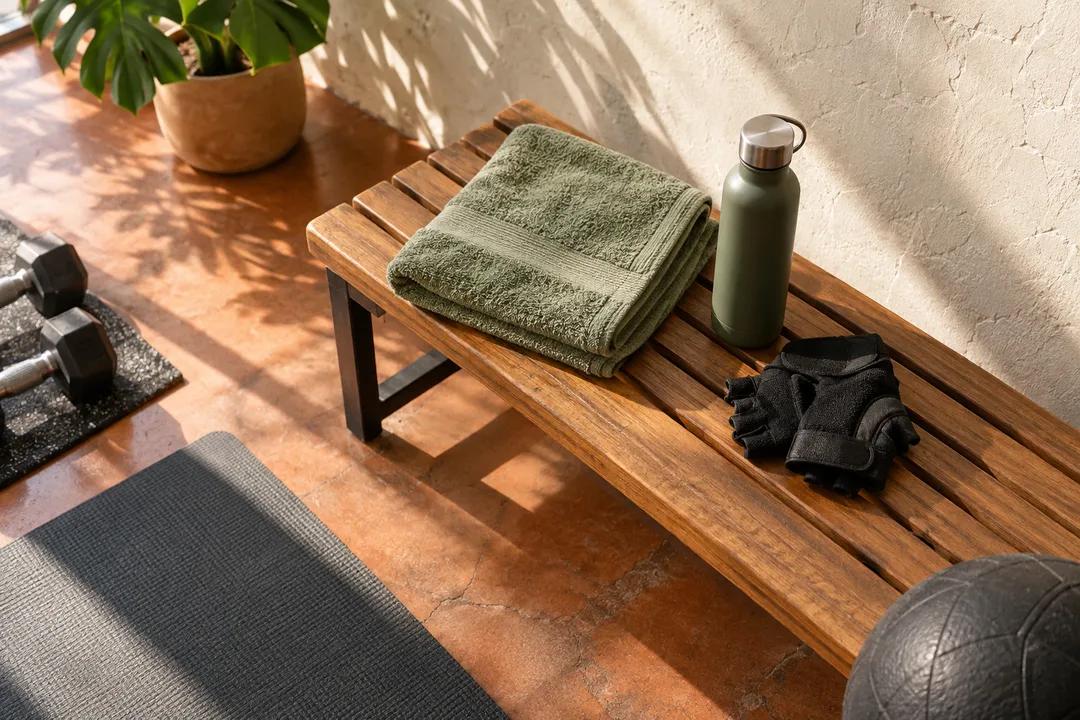
Keep booking terms, class descriptions, and your own preferences in separate lines. Nothing in this page supplies a medical recommendation, evaluates an injury, or sets an exercise dose. The accompanying pictures are generated illustrations of anonymous preparation and rest settings. They do not document a named studio or demonstrate a recovery method. The useful next step is one clearly described trial with manageable booking conditions, followed by your own considered decision about whether another visit belongs in your schedule.
Ask Karpo for more information.
Keep reading
- Sawtelle Bowling Group Night Planner for a College Reunion
 Larchmont Bowling Group Night Planner for Carpool Parents
 Boyle Heights Bowling Group Night Planner for a Quince Court