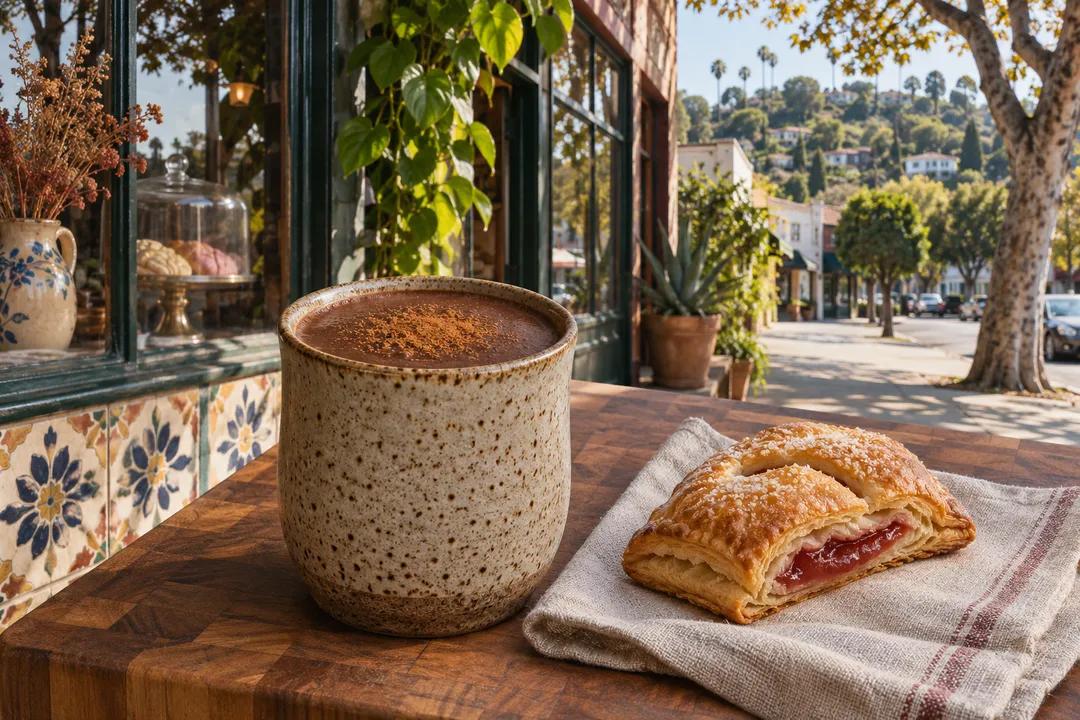
 Lincoln Heights Champurrado Winter Cafe Picker: Two Routes
Coffee & Dessert
LA Japanese Creperie Date: Two Tastes, One Easy Stop
Plan a first-date Japanese creperie stop in Los Angeles by matching two taste briefs, a comfortable setting and the time before your next appointment.
A first date rarely needs a huge dessert list. It needs one choice that respects two appetites and leaves room for conversation. In Karpo APP, describe each person’s strongest preference, the part of LA you will be in and the time available. One person may favor fruit and a crisp wrapper while the other wants a richer cream filling. Stating both is more useful than asking for a generic romantic dessert and hoping the result happens to fit.
Turn two tastes into one clear brief
Keep the request about documented combinations. Ask the app to show which components are listed together, then explain the tradeoff between a familiar flavor and an unfamiliar one. Do not ask it to invent a compromise recipe or promise that a merchant can split a crepe. The decision is easier when the choices are real: a named fruit-forward option, a named custard option, or two individual orders that can be tasted side by side.
Conversation is part of the format. If either person dislikes messy handheld food, include that constraint before the shortlist is made. A plated or seated format may suit the date better, while a quick cone can work when the point is to keep walking. Karpo can organize that preference, but the shop’s stated serving method remains the authority. A polished photograph cannot establish whether a table, utensil or special packaging is offered.
Choose a setting that leaves room to talk
For a first meeting, decide whether you want the crepe to be the destination or a short stop between two activities. Tell Karpo the answer so it can keep the route proportionate. A destination plan needs time to order and eat without watching the clock. A between-activities plan needs an exit that does not leave one person carrying dessert through a crowded transfer. Neither choice is universally better; the useful answer is the one that matches your evening.
Use neighborhood context as a practical filter, not as decoration. If you will visit a gallery, bookstore or park afterward, include that plan and the direction of travel. The app can suggest an order that reduces backtracking, but it does not know a merchant’s live queue or hold seats. Leave a buffer for the human part of the date: greeting one another, reading the menu and deciding without pressure.
When schedules differ, make the meeting point explicit. You can ask for a stop where one person arrives early and waits comfortably, or choose to meet at the dessert counter only after both are nearby. Do not assume an advance order will solve timing unless the merchant’s process confirms it. A clear arrival plan protects the date from turning into a scavenger hunt for a missing pickup.
Order with a low-pressure rhythm
At the counter, start with the item descriptions you already shortlisted. Read the wrapper, filling and sauce together, then choose whether an extra topping adds something meaningful. First-date nerves can make an elaborate order feel fun, but complexity is not the same as a good shared experience. If one person wants to try something new, let that be the interesting decision and keep the rest familiar.
Plan for a line without making it the story of the evening. Arrive with enough room before the next commitment, and agree on a point at which you will switch to the backup plan. Karpo can help compare another dessert stop nearby or move the crepe later in the route. It cannot estimate the wait from a general category. A pre-decided cutoff keeps both people relaxed if the first option is crowded.
Sharing etiquette is worth deciding before the food arrives. You can order two smaller experiences, share a seated plate if that format is listed, or taste once and keep each person’s cone intact. Ask for a suggestion that reflects that choice. Avoid writing “make it shareable” as if every shop can alter the serving style. Let the documented format guide the plan so the date feels easy rather than improvised.
A worked brief for two different appetites
A possible opening message is: “We are meeting in Los Angeles for a first date and want a Japanese creperie stop after our walk. One of us likes fruit, the other prefers custard. We want somewhere to eat without hurrying, then leave for our own plans.” These details describe a social task. They do not assert that a restaurant accepts reservations or has a private table.
Let each person choose one preference that matters most. If both people supply an exhaustive exclusion list, the search becomes an argument about an imaginary perfect dessert. Instead, keep a small shared core: acceptable area, comfortable format and enough time together. Flavor differences can remain visible. Two distinct orders may be a better outcome than a single compromise neither person especially wants.
Decide how experimental the visit should feel. A first date can involve one unfamiliar ingredient without requiring both people to abandon familiar tastes. Ask for a comparison between a known direction and a new one, using the actual menu names once they are available. That gives you something to discuss while leaving room for the simpler option. Curiosity is easier when declining an item is comfortable.
An easy order also needs an easy ending. If the date is going well, you can extend the conversation after finishing. If either person needs to leave, a short dessert should not quietly become an obligation to add dinner. Make the original time boundary clear in your plan. Karpo can work with that schedule context, and you can revise the request if both people choose to continue.
Keep payment preferences out of the flavor decision. Decide between yourselves how you want to handle the purchase, then use the business’s normal transaction flow. A recommendation does not settle a bill or complete a booking. Separating these practical matters keeps the counter conversation small: which order, which format, and where to enjoy it. You have already done the social planning before reaching that point.
Afterward, keep the details you actually liked for another outing: a fruit direction, a comfortable eating posture, or a relaxed amount of time. That is a useful follow-up brief for Karpo. You do not need to rank every first-date dessert in the city. One successful shared choice is enough, especially when both people felt free to order differently and the afternoon stayed pleasant.
Practical notes for a first-date crepe
A strong request names four things: two taste briefs, the desired eating posture, the LA neighborhood and the time boundary. Ask Karpo to return a compact comparison with the full listed combination and the next-step ordering path. If the result contains an unsupported assumption, remove that assumption and ask again. The goal is a decision you can act on, not a promise that the app or merchant will reserve a table.
Use a simple fallback: a different documented crepe format in the same area, or a later dessert window after the main activity. Decide that before you leave. If weather changes, update the setting preference rather than pretending an outdoor plan is guaranteed. If one person becomes hungry, let the app know that the dessert should follow a meal instead of replacing it.
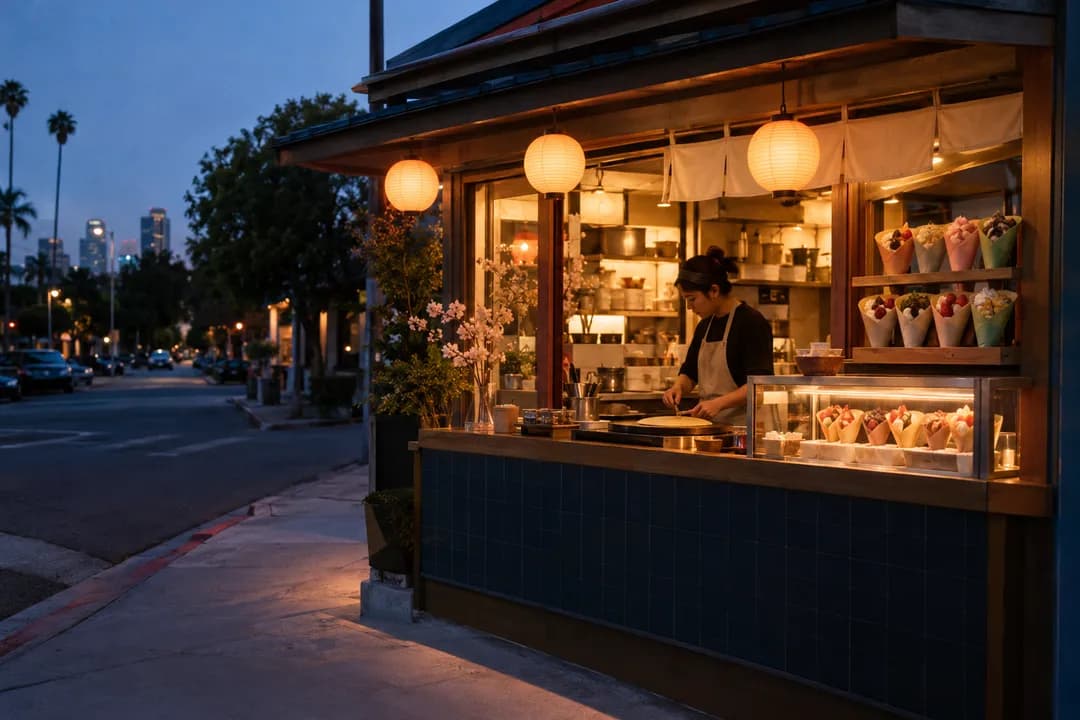
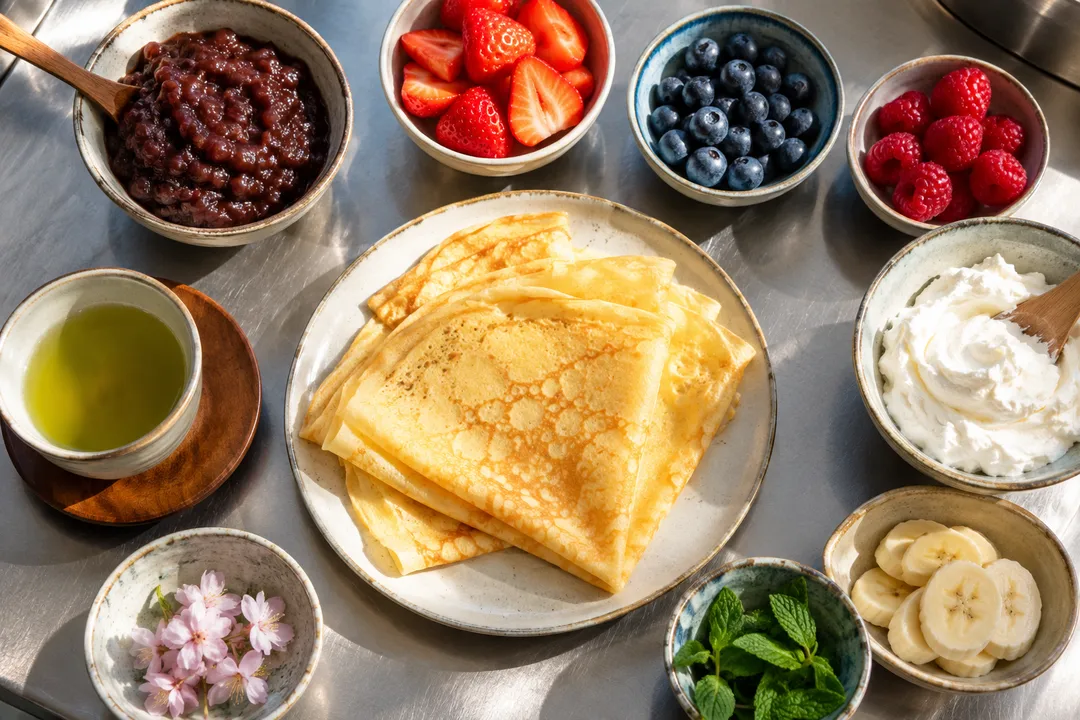
The two photographs here are newly generated imaginary scenes showing a LA first-date dessert moment and a close-up filling. They are not a named business, menu evidence or a reservation. Read the merchant’s current description at the moment you order. A thoughtful brief, a comfortable setting and a pre-agreed fallback do more for a first date than an overloaded shortlist.
Ask Karpo for more information.
Keep reading
- Lincoln Heights Champurrado Winter Cafe Picker: Two Routes
 Pico-Union Champurrado Winter Cafe Picker: Two Easy Ways
 Highland Park Champurrado Winter Cafe Picker: Two Avenues