 Burbank Film Memorabilia Collector Shop Walk: Studio Stash
Hidden Gems & Odd Finds

Sawtelle Independent Eyewear Shop Finder for Japanese Frames
A Sawtelle guide to Japanese-made frames: what sets the craft apart, how to judge titanium and acetate in your hand, and an afternoon of noodles and stationery.
Sawtelle is one of the most Japanese corners of Los Angeles. The neighbourhood grew up around Japanese-American nurseries and family businesses in the early twentieth century, and today its few short blocks hold ramen counters, stationery shops, dessert cafes and stores selling goods from across the Pacific. It is also a rewarding place to discover Japanese eyewear. Many independent opticians in West LA carry frames made in Japan, prized for their fine metalwork and careful finishing. If you have ever wondered why a pair of glasses can feel so light that you forget it is there, an afternoon on Sawtelle is a good way to find out.
Why Japanese Frames Have a Following
Japan has a long tradition of eyewear making, centred on small workshops where frames pass through many hands before they are finished. Craftspeople there have spent generations refining the way titanium is shaped and joined, and the results tend to be thin, strong and remarkably light. Collectors talk about these frames the way watch fans talk about movements.
For the wearer, the appeal is quieter. A well-made Japanese frame sits comfortably for hours, holds its adjustment and ages gracefully. The details are often subtle, such as a slim bridge, an elegant hinge or a gentle curve at the temple, but together they make a pair that feels considered from every angle.
Learning to Judge a Frame in Your Hand
When an optician hands you a Japanese frame, take your time with it. Feel the weight first. Titanium frames can be strikingly light, and you will notice the difference immediately if you compare them with a heavier everyday pair. Open and close the hinges slowly and listen for a smooth, even motion.
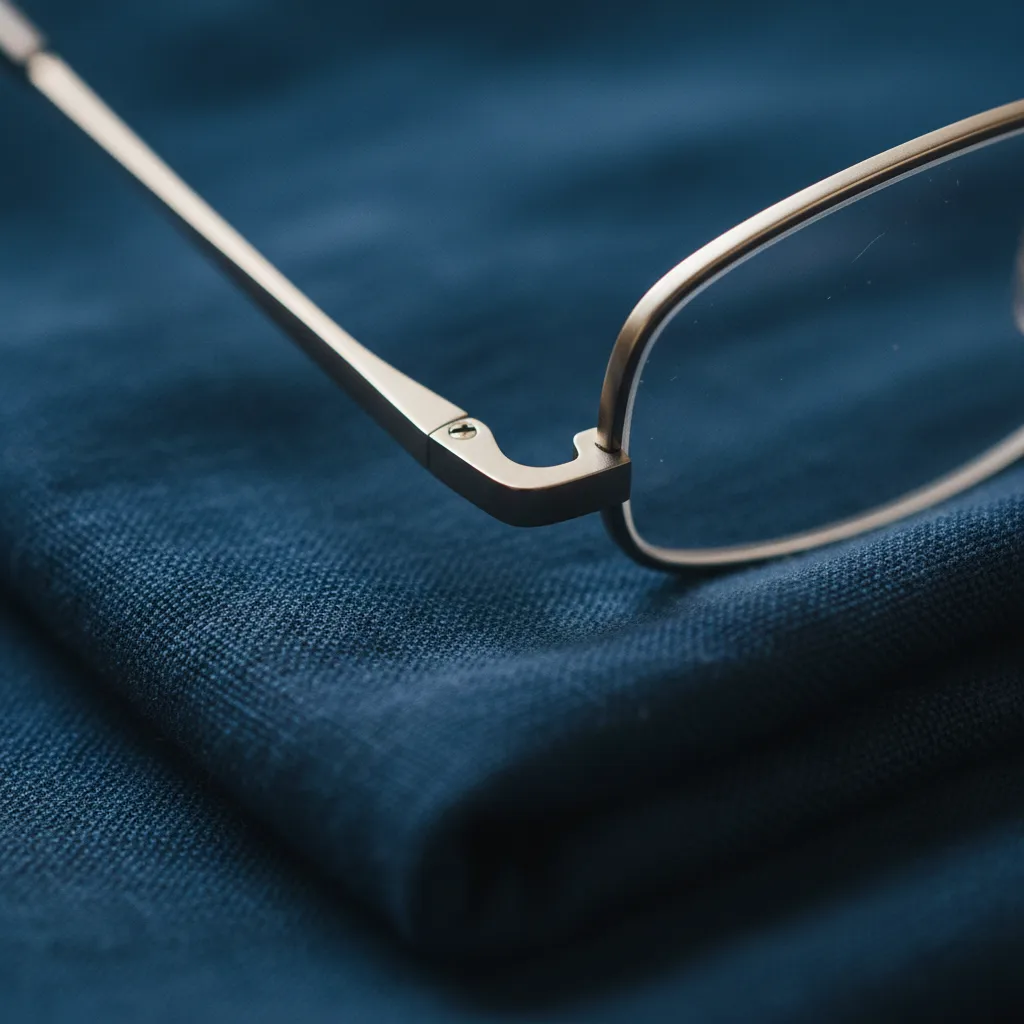
Run your fingertip along the edges. Good acetate is polished until it feels almost silky, with no rough spots where pieces join. Look closely at the joints and screws, which on carefully made frames are neat and flush. These small checks will teach you a great deal, and a knowledgeable optician will be glad to explain what you are seeing.
Titanium, Acetate or Both
Titanium is the material most associated with Japanese eyewear. It is light, strong and resists corrosion, which makes it ideal for people who wear glasses all day or have sensitive skin. Thin titanium rims suit a minimal style and can be shaped into round, square or softly geometric forms.
Acetate frames from Japan are equally admired, often cut from rich, layered sheets in deep tortoiseshell, clear or muted colours. Combination frames blend the two, with an acetate front and titanium temples, giving a bolder look without the extra weight. Try one of each to see which feels most like you.
Colour is another place where these frames reward a closer look. Some titanium styles come in soft finishes such as champagne, matte gunmetal or muted green, which can flatter skin tones that look washed out in plain silver. Ask to see the same shape in two or three finishes side by side. Seeing them together in daylight near the shop window makes the choice far easier than judging one frame at a time under the counter lights.
Asking the Right Questions
Independent opticians who stock Japanese frames tend to enjoy talking about them. Ask how a particular frame is made, what makes it different from similar styles, and how easily it can be adjusted or repaired. Their answers will help you understand what you are paying for and whether it suits your needs.
Be honest about how you wear your glasses. If you are hard on frames, take them off often or play sports, say so. Some delicate designs are best for careful wearers, while others are surprisingly tough. A good optician will steer you towards a pair you can enjoy for years rather than one that looks beautiful but does not fit your routine.
Fitting for Every Face Shape
Many Japanese frames are designed with a range of face shapes in mind, including lower nose bridges and higher cheekbones. Adjustable nose pads on titanium styles make it easier to raise a frame so it sits away from the cheeks. If you have struggled with glasses resting on your face, ask to try these designs.
Spend a few minutes looking up, down and to the side while wearing each frame. Smile broadly to see whether the frame lifts. These small tests show whether a pair is truly comfortable, and the optician can fine-tune the fit before you decide.
If you need strong lenses, mention it before you fall for a particular frame. Very thin rims and large round shapes can show thick lens edges, while slightly smaller fronts keep things neat. A thoughtful optician will suggest frames that suit both your face and your prescription, so the finished pair looks as refined as the frame did on display.
Noodles and Stationery While You Wait
Once you have chosen a frame, the lenses take some time, which leaves room to enjoy the street. Sawtelle is famous for its food, from steaming bowls of ramen and tsukemen to katsu, curry and delicate desserts. Pick a counter seat and watch the cooks work, a fitting match for an afternoon spent admiring craftsmanship.
Afterwards, browse the stationery and lifestyle shops. Fine pens, notebooks and small household objects reflect the same attention to detail as a well-made frame. Many visitors leave with a new notebook as well as new glasses, and a pen worth writing with.
Remembering the Neighbourhood's Roots
Take a few minutes to learn about Sawtelle's history as you walk. The area was once home to many Japanese-American families who ran plant nurseries and small shops, and several of those businesses and community spaces still anchor the street. The community's story includes hardship as well as resilience, and it adds depth to a visit that might otherwise be only about food and shopping.
Look out for the older nursery lots and the quieter residential blocks just off the main strip. They give a sense of the neighbourhood before it became a dining destination, and they make a calm walk while your lenses are prepared.
Caring for a Fine Frame
A well-made frame deserves good care. Always use both hands to take your glasses on and off, which keeps the hinges aligned. Clean lenses with water and a microfibre cloth rather than a shirt, and store the pair in a hard case when you are not wearing it.
Return to your optician once or twice a year for an adjustment and a gentle clean. Titanium frames hold their shape well, but even the best pair benefits from a little attention. It is also a pleasant excuse to come back to Sawtelle for another bowl of noodles.
Using Karpo APP to Plan the Afternoon
Ask the Karpo APP for independent eyewear shops around Sawtelle that carry Japanese frames, then add a noodle counter, a stationery shop and a walk past the old nursery lots. Karpo keeps the afternoon together in one plan, so you can focus on finding a pair that feels made for you.
Ask Karpo for more information.
Keep reading
- Burbank Film Memorabilia Collector Shop Walk: Studio Stash
 Pasadena Film Memorabilia Collector Shop Walk: Classic Route
 Silver Lake Film Memorabilia Collector Shop Walk: Indie Lore