 Burbank Film Memorabilia Collector Shop Walk: Studio Stash
Hidden Gems & Odd Finds
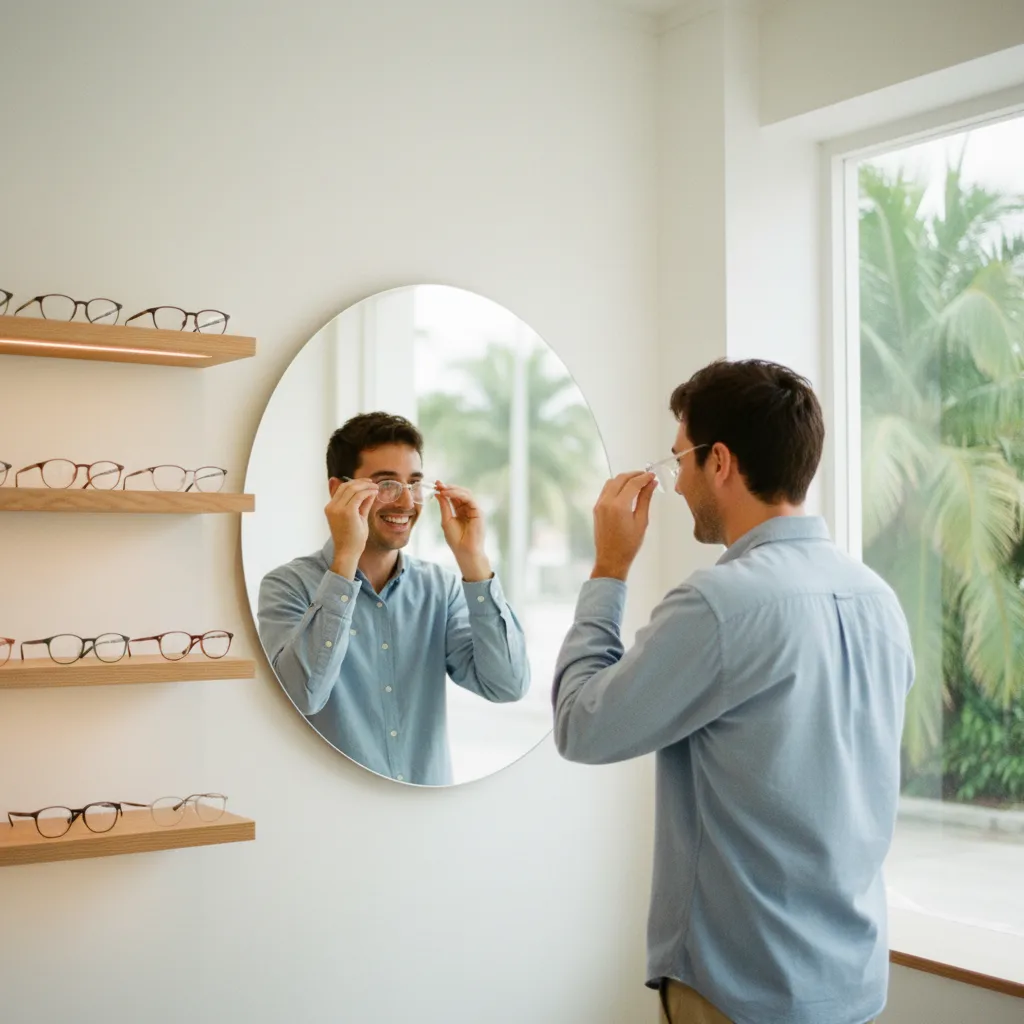
Mid-City Independent Eyewear Shop Finder for Contact Wearers
A Mid-City guide for contact lens wearers switching to glasses: what to ask, frames that feel weightless, and an afternoon on Museum Row and in Little Ethiopia.
Plenty of people in Los Angeles have worn contact lenses for so long that they barely remember life in glasses. Then something shifts. Long days at a screen leave the eyes dry and gritty, dusty Santa Ana winds make lenses sting, or the nightly routine of cases and solution simply starts to feel like a chore. Mid-City, the broad, lived-in stretch of the city between Museum Row and Pico Boulevard, is a good place to make the switch. Its independent opticians tend to have time to talk, and the neighbourhood around them, with museums, Ethiopian coffee houses and long residential blocks, offers a full afternoon to test how glasses feel on a real day out.
Why Contact Wearers Come Back to Glasses
The reasons vary, but a few come up again and again. Dry eyes are the most common, especially for people who stare at screens all day or live with air conditioning and dry winds. Others want a break from touching their eyes every morning, or have started to find lenses uncomfortable by the evening.
There is a style reason too. Glasses have become a way to express personality, and many people who chose contacts in their teens now find that the right frame suits them better than bare eyes. Coming back to glasses does not have to mean giving up contacts entirely. Many people end up wearing both, depending on the day.
What to Tell the Optician
Start by explaining how long you have worn contacts and why you want a change. Mention whether you plan to switch completely or keep lenses for sport and special occasions. This helps the optician understand how much you will rely on your glasses.
Your contact lens prescription and your glasses prescription are not the same thing, because one sits on the eye and the other sits a short distance in front of it. If you have not had an eye exam that covers glasses recently, it is worth arranging one. The optician can explain what you need and why the numbers differ.
Getting Used to Frames Around Your Vision
The biggest surprise for many contact wearers is the frame itself. After years of clear, edge-to-edge vision, the rim of a pair of glasses can feel like a border at the edge of everything. Most people stop noticing it within a few days, but choosing the right frame helps.
Larger lenses with thin rims keep the edges out of your direct view, while very small frames can make you look over the top. Try a few sizes and look around the shop with each one. Glance down at your phone, across the room and out of the window. You will quickly sense which frames feel open and which feel closed in.
Frames That Feel Like Almost Nothing
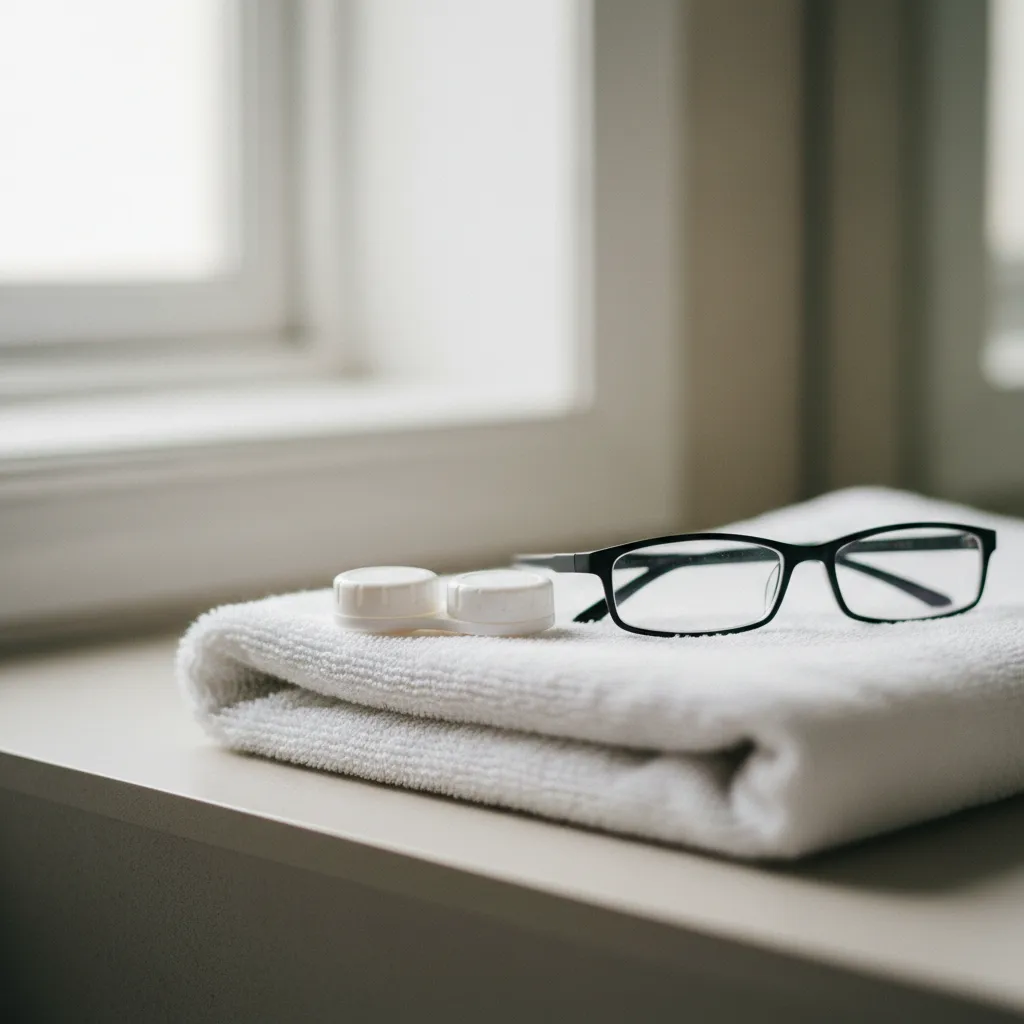
If you are used to the weightlessness of contacts, a heavy frame will feel like a burden. Ask to see lightweight options in thin metal or slim acetate, along with frames that have well-shaped nose pads. Rimless and semi-rimless designs are another option for people who want glasses to disappear.
Pay attention to how the frame sits behind your ears and on your nose. A good fit spreads the weight evenly so nothing presses too hard. A careful optician will adjust the temples and pads before you leave, and small tweaks at this stage make a big difference to comfort over a long day.
Lenses That Suit Former Contact Wearers
If your prescription is strong, ask about thinner lens materials. These keep the edges of the lenses slim, which matters for both comfort and appearance. Anti-reflective coatings are also popular with people coming from contacts, because they reduce glare and make the lenses less noticeable to others.
Think about sunglasses too. Contact wearers often rely on ordinary sunglasses over their lenses, so switching to glasses means considering prescription sunglasses or clip-ons. In bright Los Angeles light, this is worth planning from the start rather than squinting through the first sunny week.
Finding a Frame That Feels Like You
After years without glasses, choosing a frame can feel like choosing a new face. Try a range of shapes, including some you would not normally pick. Clear and soft-coloured frames are a gentle starting point for people who feel shy about glasses, while bold shapes suit those ready for a change.
Bring a friend or take photos of yourself in each pair. Seeing your face from a little distance, rather than up close in a mirror, gives a truer sense of how others will see you. Many people are surprised by how quickly they grow fond of their new look.
A Wait Along Museum Row
With your frame chosen and lenses on order, spend some time along Museum Row on Wilshire Boulevard. The big museums here, with their outdoor sculptures and open plazas, are an inspiring place to wander, and the famous tar pits nearby make a strange and memorable stop.
Walking through galleries is also a good way to think about how you see. Notice how often you look at things up close and far away, and how your eyes feel by the end of a visit. These observations help when you collect your glasses and talk about how they feel.
Coffee in Little Ethiopia
Just south of Museum Row, a short stretch of Fairfax Avenue is home to Little Ethiopia, a cluster of Ethiopian restaurants, markets and coffee houses. Stop for a traditional coffee if you can, often served with ceremony and a sense of occasion. It is a warm, welcoming end to the afternoon.
Share a platter of injera and stews with a friend while you talk over the frames you liked. Food here is meant to be shared, which makes it a natural place to compare notes and celebrate the decision.
Your First Week Back in Glasses
Expect a short period of adjustment. Your eyes and brain need a few days to adapt to looking through lenses held away from the eye, and objects may seem a touch smaller or larger than you are used to. Wear the glasses steadily rather than switching back and forth, and the change usually settles quickly.
Keep a cleaning cloth in your bag and a case wherever you leave your glasses at night. If the frame slides, pinches or feels unbalanced, return to the optician for an adjustment. Most independent shops are happy to make these small changes, and a perfect fit is what makes glasses feel effortless.
Many former contact wearers notice their eyes feeling calmer within the first week, especially by evening. Keep a note of how your eyes feel after long days at a screen. It is a simple way to see whether the switch is helping.
Using Karpo APP for the Switch
Ask the Karpo APP for independent eyewear shops in Mid-City that are good with first-time and returning glasses wearers. Add a museum stop and an Ethiopian coffee break to your plan, and Karpo will keep the afternoon in one place so you can concentrate on finding a pair that feels as easy as your contacts once did.
Ask Karpo for more information.
Keep reading
- Burbank Film Memorabilia Collector Shop Walk: Studio Stash
 Pasadena Film Memorabilia Collector Shop Walk: Classic Route
 Silver Lake Film Memorabilia Collector Shop Walk: Indie Lore