 Burbank Film Memorabilia Collector Shop Walk: Studio Stash
Hidden Gems & Odd Finds
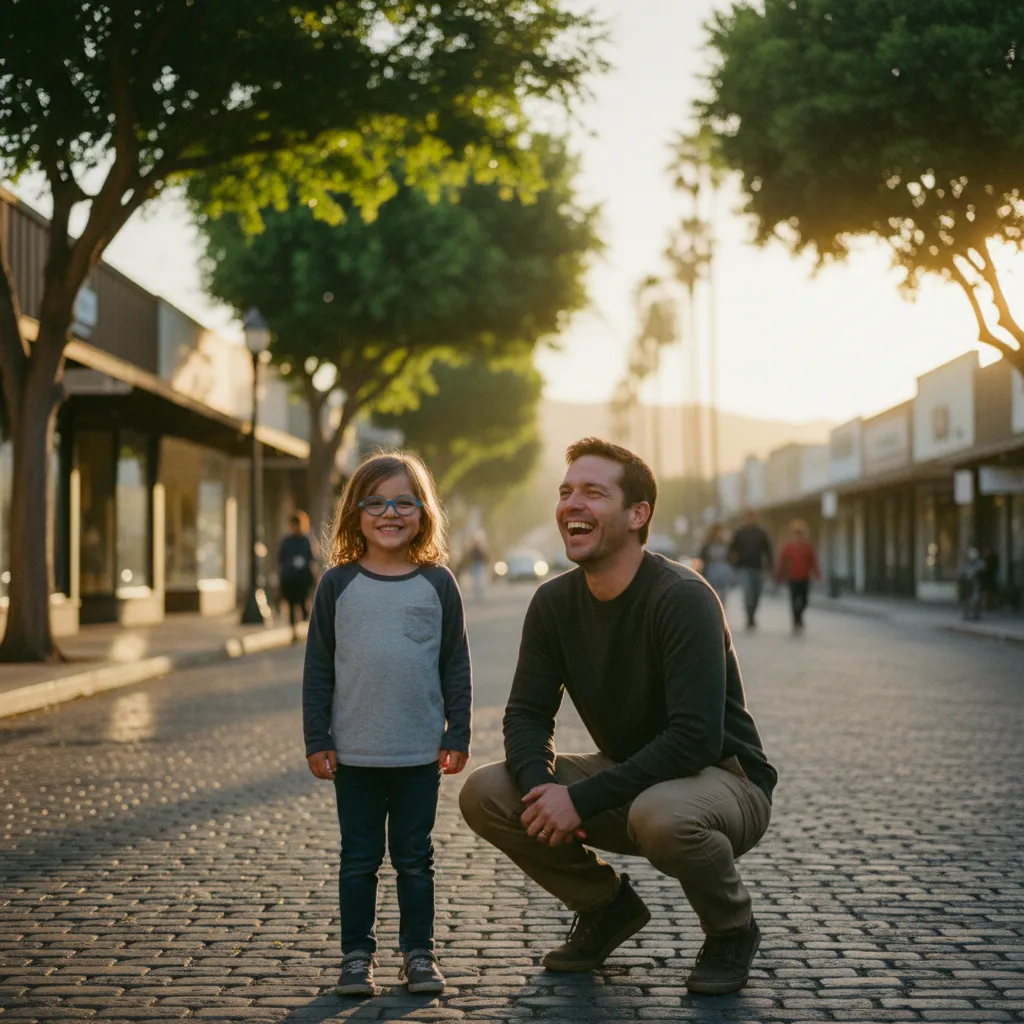
Larchmont Independent Eyewear Shop Finder for Young Kids
A Larchmont guide for parents: how to prepare a child for first glasses, frames that survive the playground, letting kids choose and a village treat after.
Larchmont Village feels like a small town tucked into the middle of Los Angeles. Its short main street is lined with trees, and on weekday afternoons it fills with parents and children walking home from the nearby schools, stopping for a snack or a book on the way. That makes it a natural place for one of childhood's small milestones: the first pair of glasses. Whether the news came from a school screening or an eye exam, many children feel anxious about wearing glasses, and many parents are unsure where to begin. An unhurried visit to an independent optician, followed by a treat on the boulevard, can turn the whole thing into a good memory.
Talking About Glasses Before the Visit
Children take their cues from the adults around them. If you treat glasses as a fun new accessory rather than a problem, your child is far more likely to see them that way too. Talk about family members, teachers or favourite characters who wear glasses, and let your child look through photos of different styles at home.
Explain what will happen at the shop in simple terms. They will try on lots of frames, look in a mirror and maybe have their face measured with a little ruler. Knowing what to expect takes away much of the worry, especially for younger children who dislike surprises.
Letting Your Child Choose
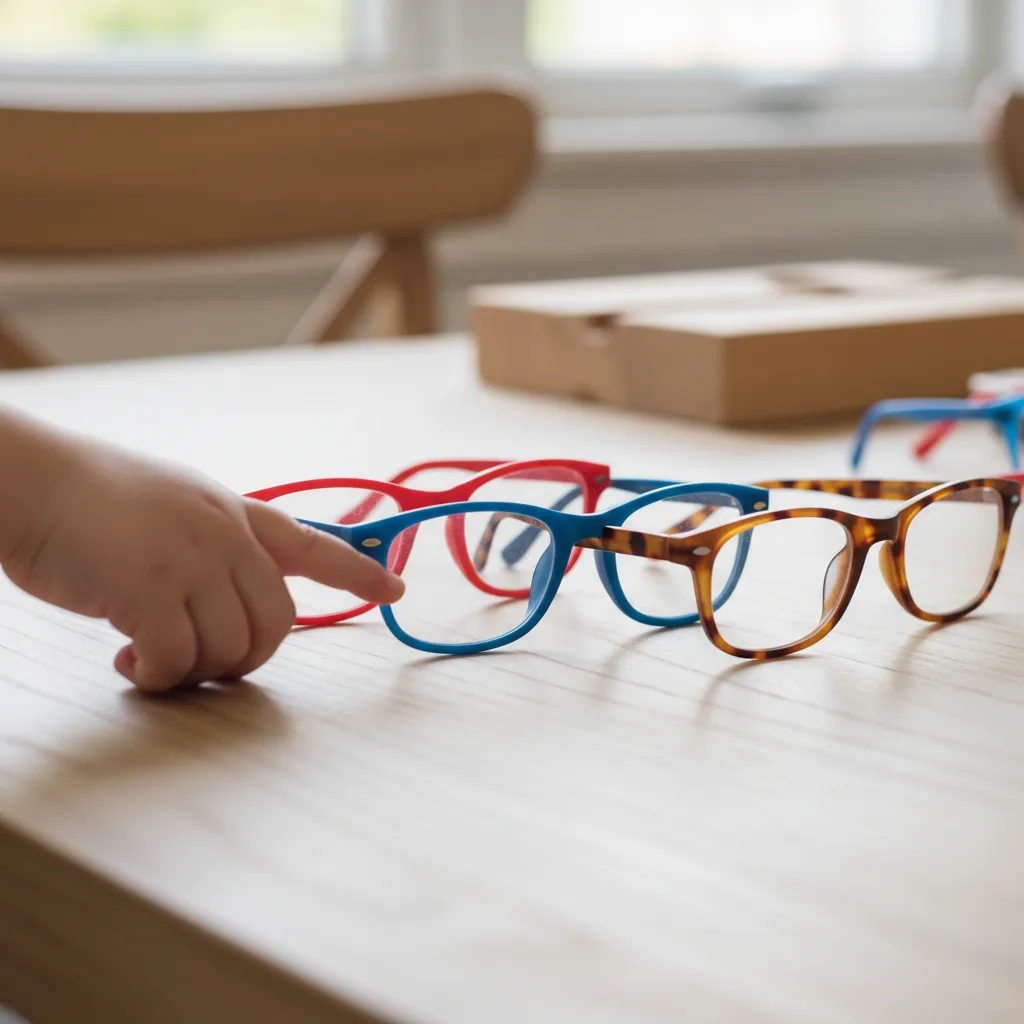
The single most effective way to get a child to wear glasses is to let them help choose. An independent optician who works with families will usually narrow the selection to frames that fit well and are suitable for their age, then step back and let the child pick a favourite colour or shape.
Resist the urge to steer them towards the frame you like best. A bright red pair you would never have chosen might be exactly what makes a shy child proud to wear glasses to school. If they are torn between two, take a photo of each and look at them together over a snack before deciding.
Older children may want a say in more than colour. A ten-year-old might care about looking like their friends, or want something that feels grown-up. Listen to those wishes and let the optician explain which styles will fit their face now and still look right as they grow. Giving a child real choices, within sensible limits, shows them that the glasses belong to them and not to the adults who arranged the visit.
Frames Built for the Playground
Children's glasses have a hard life. They are dropped, sat on, knocked in games and stuffed into backpacks. Ask the optician about flexible materials and spring hinges, which bend outward instead of snapping. Some frames for younger children have wraparound ear pieces or a soft strap that keeps them on during play.
Fit is just as important as toughness. Glasses that slide down the nose will be pushed up constantly or taken off altogether. A good children's optician will check that the frame sits level, that the eyes are centred in the lenses and that nothing presses behind the ears. Expect a few minutes of careful adjustment before you leave.
Lenses That Stand Up to School Life
Lens material matters for children. Impact-resistant lenses are widely recommended for kids because they are lighter and less likely to shatter. A scratch-resistant coating helps too, since young wearers rarely remember to put glasses in a case.
Ask the optician about any additional options suited to your child, such as coatings that reduce glare from classroom lights or lenses that darken outdoors for recess. Not every child needs these extras, and an honest independent optician will explain which ones are worth it for your family and which are not.
Making the Afternoon a Celebration
Plan the visit for a relaxed afternoon rather than squeezing it between other errands. Larchmont Boulevard is ideal for this. After the fitting, stop for ice cream or a pastry and let your child choose a bench to sit on while they look at the world through new lenses.
Many children are amazed by what they suddenly notice, such as leaves on a distant tree or the words on a street sign across the road. Let them point things out and share their excitement. Those first moments of clear sight are a lovely thing to witness, and they help a child connect the glasses with something good.
A Visit to the Bookshop and Library
Reading is one of the activities most changed by a first pair of glasses, so a stop at a bookshop is a natural part of the day. Let your child choose a new book to read with their glasses on that evening. It gives them a reason to wear the pair at home and builds a positive habit from the start.
The local library branch nearby is another good stop. Children's sections are full of picture books and early readers, and many of them feature characters who wear glasses. Finding one together can be reassuring for a child who worries about being different.
A Stroll Through Windsor Square
Just south of the boulevard, the streets of Windsor Square are lined with grand old houses, deep lawns and tall trees. It is a calm, shady place for a walk, and a good test of how a new pair handles everyday movement. Let your child skip, jump or race ahead to the next corner and see how the glasses stay put.
Make a game of spotting details on the houses, such as the shapes of windows, the colours of front doors or the patterns in the brickwork. It encourages your child to use their new vision and turns the walk into an adventure.
The First Week at School
Let the teacher know your child has new glasses, especially if they are self-conscious. Many teachers are happy to make a quiet, positive comment that helps the child settle. Pack a case and a cloth in the backpack, and show your child how to clean and store the glasses on their own.
Expect a short adjustment period. Some children complain of a strange feeling or mild discomfort for a few days. If problems continue, return to the optician for a check. Independent shops usually welcome these follow-ups and will make small adjustments as your child grows.
Keep an eye on whether the glasses are actually being worn. Children sometimes slip them into a pocket at school without telling anyone. Ask gently how the day went and whether the board looked clearer, and praise the effort rather than nagging. With time and a little encouragement, most children stop noticing their glasses at all.
Using Karpo APP to Plan the Day
Ask the Karpo APP for independent eyewear shops around Larchmont that are good with children, then add an ice cream stop, a bookshop and a walk through Windsor Square. Karpo keeps the plan in one place, so a big day for your child feels easy for you.
Ask Karpo for more information.
Keep reading
- Burbank Film Memorabilia Collector Shop Walk: Studio Stash
 Pasadena Film Memorabilia Collector Shop Walk: Classic Route
 Silver Lake Film Memorabilia Collector Shop Walk: Indie Lore