 Burbank Film Memorabilia Collector Shop Walk: Studio Stash
Hidden Gems & Odd Finds

Eagle Rock Independent Eyewear Shop Finder for Book Lovers
An Eagle Rock guide for heavy readers: choosing lenses for books and screens, testing frames over pages, and an afternoon of bookshops and the rock at sunset.
Eagle Rock has always been a neighbourhood for readers. Tucked into the hills of northeast Los Angeles, named after the great sandstone boulder that watches over its western edge, it is a place of craftsman bungalows, a liberal arts college, small bookshops and cafes where people linger over a novel for hours. It is also a fine place to sort out your glasses if reading has started to feel like hard work. If the words blur by the end of a chapter, you hold your phone at arm's length, or you finish an evening of reading with a dull ache behind the eyes, an afternoon spent with an independent optician here can change the way you read.
When Reading Starts to Feel Tiring
The signs creep up slowly. You find yourself turning on an extra lamp, sliding the book a little further away, or rubbing your eyes after a few pages. Many people in their forties and beyond notice that close focus becomes harder, while younger readers who spend long days with books and screens can feel strain simply from hours of near work.
None of this means you have to give up long reading sessions. It usually means your eyes would like some help. An independent optician can talk through how and where you read, then suggest lenses that make those hours comfortable again.
Describing How You Actually Read
The most useful thing you can bring to a fitting is a clear picture of your reading life. Do you read paperbacks in bed, hardbacks at a desk, or a tablet on the sofa? Do you switch between a book and a laptop through the day? Do you read on the bus or in a dim cafe corner?
Bring the book you are reading now, or a favourite one, and show the optician how you hold it. The distance between your eyes and the page matters more than most people realise. A lens set for a desk will feel wrong for a book held close in bed, and a good optician will ask about these habits before suggesting anything.
Single Vision, Office Lenses or Progressives
Simple reading glasses focus at one close distance. They are excellent for long stretches with a book, but everything across the room will look soft, so you take them off when you look up. Many keen readers keep a pair by the bed and another in a bag.
Office or desk lenses cover a wider range, from the page to a screen and across a table to a friend. They suit people who read and write for work. Progressive lenses go further, covering near, middle and far in one pair, which is ideal if you want one pair for the whole day.
There is no single right answer. Ask the optician to explain which option fits your days, and if you are unsure, try reading a few lines through sample lenses while sitting the way you normally do.
Frames That Suit Long Sessions
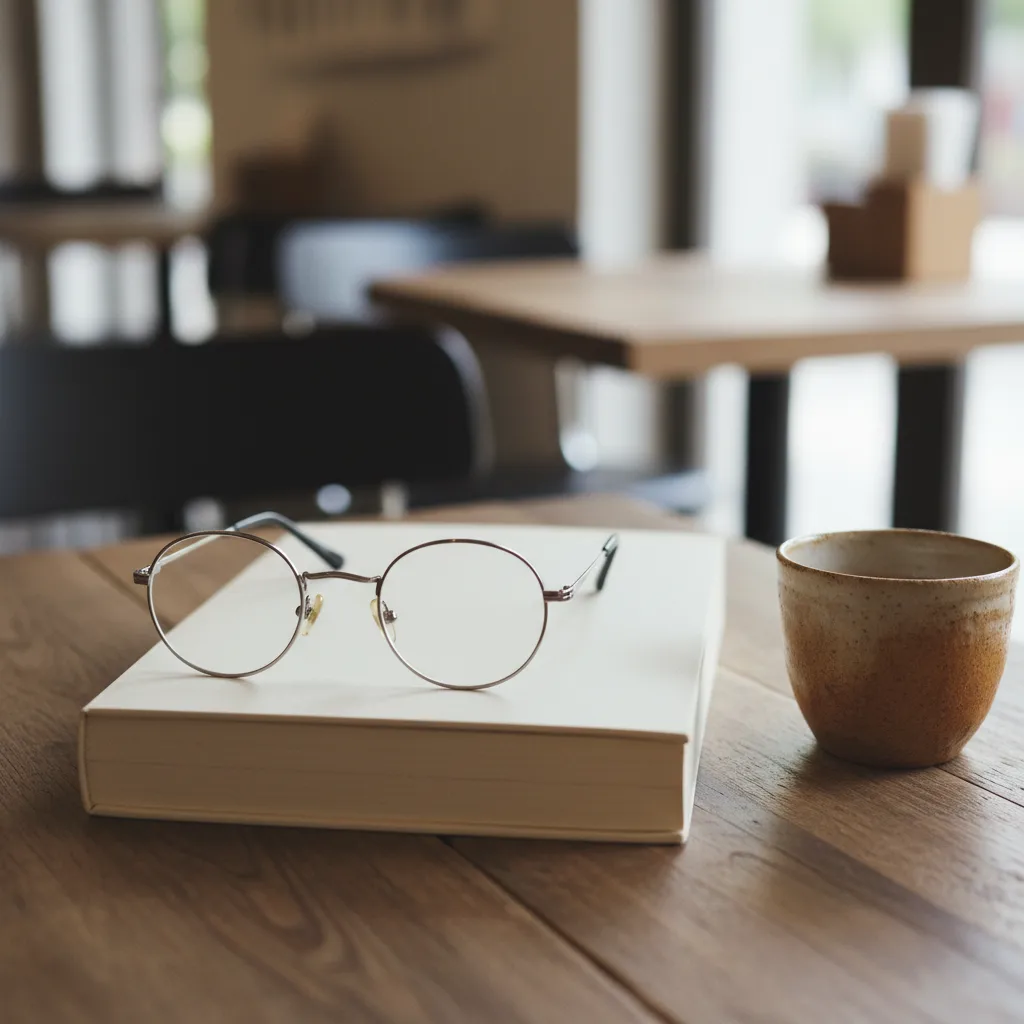
For reading, comfort beats almost everything else. A frame that pinches behind the ears or slips down your nose will pull you out of a story within minutes. Lightweight frames with well-shaped nose pads or a properly fitted bridge tend to work well for people who read for hours.
Think about the size of the lens too. A taller lens gives you more room to look down at a page without peering over the rim, which matters for progressive and office lenses. A frame that is too shallow can make you tilt your head in awkward ways.
Testing a Frame With a Book in Hand
Once you have a few candidates, sit down and read with each one. Turn a page, lean back, look up at the shop and then return to the text. Notice whether the frame stays put and whether the edge of the lens interrupts your view of the page.
Try a pair while lying back in a chair if you often read in bed. Frames with thick temples can press into the pillow, while slimmer designs sit more easily. These small details sound minor in a shop, but they decide whether you reach for the glasses every night or leave them in a drawer.
Light, Glare and Evening Pages
Much reading happens in the evening, under lamps or in softly lit cafes. Ask about anti-reflective coatings, which cut glare from lamps and screens and make text look crisper. If you read on a tablet before bed, the optician can talk through coatings designed for screens.
It also helps to think about light at home. A good reading lamp placed slightly behind and to the side of you can make as much difference as a new lens. Opticians are often happy to share simple advice like this, and it costs nothing to ask.
An Afternoon of Bookshops and Cafes
Lenses take some time to prepare, which gives you the perfect excuse to explore. Eagle Rock's main boulevards are lined with small shops, and browsing the shelves of a local bookstore is a natural way to spend the wait. Pick out something new to read with your new glasses.
Afterwards, settle into a cafe with a window seat and read a chapter through your current pair. Pay attention to when your eyes start to tire and what kind of light you prefer. These notes are useful at the collection appointment, when the optician checks how the new lenses feel.
Walking Up to the Rock at Sunset
Before you head home, walk or drive to the edge of the neighbourhood to see the rock that gives Eagle Rock its name. The great sandstone outcrop, with the shadowy shape of a bird in flight on its face when the light is right, has been a local landmark for generations.
Late afternoon is the loveliest time to visit, when the hills glow gold and the valley softens into haze. It is also a good moment to rest your eyes after a day of close focus. Look into the distance for a few minutes and let your eyes relax before you return to the page.
Settling Into New Reading Glasses
When you collect your new pair, read with them for a short while in the shop and mention anything that feels off. A slight adjustment to the nose pads or temples can make a big difference to comfort, and it is easiest to fix while you are there.
Give yourself a few days to adapt, especially with progressive lenses. Read in your usual chair, at your usual times, and keep the pair in the same place so it becomes part of your routine. If something still feels wrong after a week, go back and talk it through with the optician.
Keep a soft case and a microfibre cloth with your books. Reading glasses often get tucked into bags, left on cafe tables or slipped between pages, and a case protects the lenses from scratches that soon turn into blurry spots.
Using Karpo APP to Plan Your Reading Day
Ask the Karpo APP for independent eyewear shops around Eagle Rock that understand readers, then add a bookstore, a quiet cafe and a sunset stop at the rock to your plan. Karpo keeps the afternoon together, so you can spend your energy on finding lenses that let you read for as long as the story lasts.
Ask Karpo for more information.
Keep reading
- Burbank Film Memorabilia Collector Shop Walk: Studio Stash
 Pasadena Film Memorabilia Collector Shop Walk: Classic Route
 Silver Lake Film Memorabilia Collector Shop Walk: Indie Lore