 Burbank Film Memorabilia Collector Shop Walk: Studio Stash
Hidden Gems & Odd Finds

Los Angeles Horror Bookstore: Compare Editions With Care
Compare Los Angeles horror bookstore options by edition details, route fit, and evidence, then verify any live inventory with the seller. Stay practical.
A collector's horror-bookstore search in Los Angeles should begin with the object, not the aura around it. This archival brief is for illustrated horror, film tie-ins, and signed fiction. Tell Karpo APP whether you want a comparison appointment or a relaxed browse, then state the ceiling that protects the rest of the month. The tool can organize evidence and tradeoffs; it cannot authenticate a copy or guarantee that a scarce edition is still present.
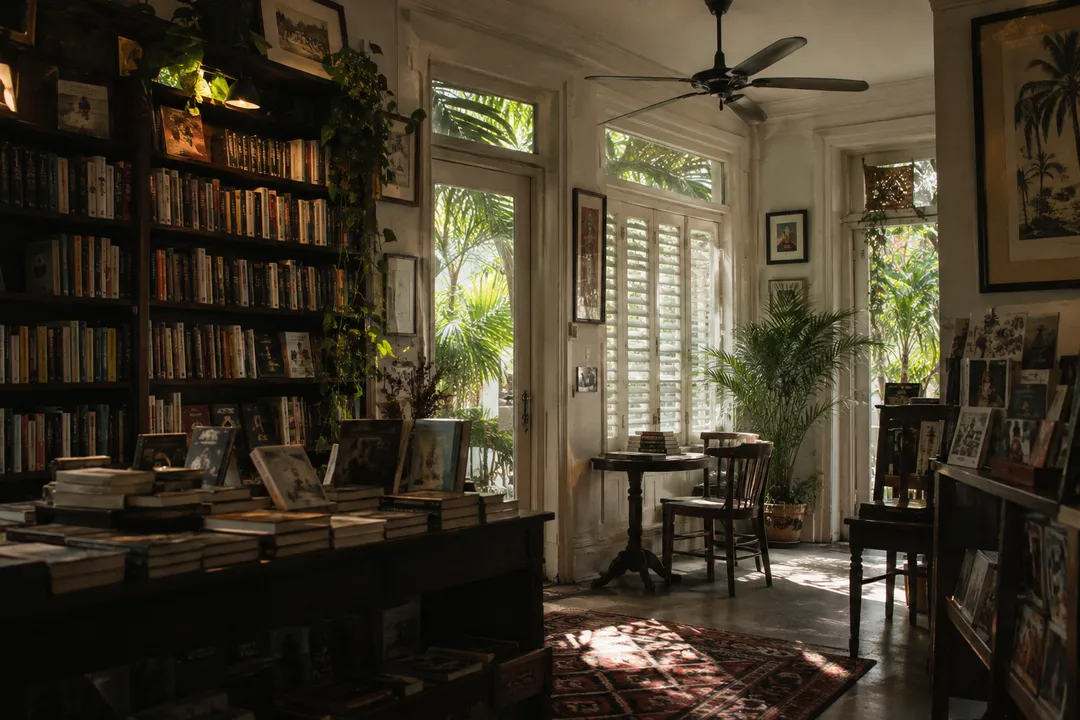
Start with the object, not the aura
Describe the evidence you care about. A jacket, colophon, limitation statement, signature location, and stated condition each answer a different question. Ask the planner to keep those fields separate from atmosphere. When a candidate has no clear evidence, label that gap instead of filling it with a confident adjective. A collector's patience is an advantage here, because uncertainty is information rather than an emergency.
Use a three-part first pass. Request one candidate for image-rich design, one for a film connection, and one for an author signature. Ask why each belongs in the category and what would need confirmation. The exercise keeps an illustrated object from being treated like a normal paperback. It also leaves room for the bookseller to explain an edition history that a short recommendation cannot capture.
Separate reading copies from collectibles
A useful personal filter can be surprisingly narrow. Say whether you prefer grotesque art, restrained line work, or a photographic tie-in, and whether the book must fit on a particular shelf. Mention a collectible edition with visible provenance rather than simply asking for the rarest item. That wording invites a thoughtful comparison and avoids the false promise that scarcity automatically means quality or value.
Format questions deserve calm language. Ask for the binding, paper, illustration credits, signature evidence, and any stated restoration. Do not ask the assistant to declare an item genuine from a photograph. Do not turn a seller's list price into an investment forecast. The result is most useful when it creates a checklist you can carry into a conversation with a specialist who can inspect the object.
A deliberate comparison appointment still needs a route. Choose one starting point, one amount of time, and one way home. Ask Karpo to rank travel effort separately from the appeal of the books. A gallery-minded pause after the shelves can be optional, but it should never force you to hurry an examination. The object may need quiet attention; the itinerary should make room for that.
Turn a shortlist into a route
Keep provenance beside every recommendation. A catalog record, a publisher detail, or a seller's own description can explain why an edition belongs on the list. None proves the condition of the copy you will see. Ask for a note that says what is documented and what requires inspection. That distinction protects both the collector's budget and the merchant's expertise.
Build the comparison grid before you fall for a cover. Give each candidate rows for design, material, evidence, route, and an unanswered question. Ask which tradeoff matters most to the brief. If one object looks spectacular but has unclear condition, let the grid say so. A primary choice and a reserve choice are stronger than an elaborate ranking built on information no one has verified.
Keep evidence beside every suggestion
Tie the stop rule to the condition ceiling. Leave when the object lacks the evidence you require, the price exceeds the monthly boundary, or the journey would crowd out the time needed to inspect it. A no-buy result is a disciplined collector's result. Karpo APP can help name the reason, so the next search starts with a sharper requirement instead of an emotional reaction to another dramatic cover.
The gallery pause after the shelves should remain a texture, not an invented itinerary. Ask for a quiet cultural extension only if the light, energy, and transit allow it. Do not include unverified door numbers, hours, or admissions for nearby places. When a second venue becomes essential, open its official information separately. The planner can point toward a question; it cannot supply a curator's current schedule by inference.
Set a stopping rule before you leave
Event-day friction is worth naming. A fair or signing can change queue length, access, and what is available for inspection. Ask the tool to flag those as questions for the organizer or seller. Avoid approximate times and do not imply a reservation. If the event becomes crowded, a slower independent browse can still satisfy the archival goal. Protecting attention is part of collecting well.
Carry practical notes with the provenance notes. Record whether you need a sleeve, a safe way to carry a large book, or a step-free entrance. Ask about receipts, returns, and holds through the seller's own channel. Those policies are not editorial copy. A clean checklist simply keeps your enthusiasm from making you forget the ordinary details that protect a fragile object.
Make the fallback part of the plan
After the visit, write down what the object taught you. Was the paper more important than the signature? Did the route leave enough time to inspect the binding? Did a modest edition feel more satisfying than a hyped one? Feed those observations into Karpo APP. A collector's next request improves when it remembers the actual tradeoff, not only the title that first caught the eye.
End deliberately. Save one candidate, one provenance question, and one alternative that still respects condition. The archival voice is curious without treating rarity as a guarantee. Current stock and authenticity belong to the merchant or specialist in front of you. Your decision can be to buy, wait, or walk away with a better question for the next Los Angeles horror-bookstore search. Collectors often need permission to wait. A missing jacket, uncertain signature, or damaged plate may make a fascinating object the wrong object today. Ask the assistant to preserve a watchlist question without turning it into a promise that the seller will hold the copy. Note the evidence you would need on a return visit, the maximum you would pay, and the route you would accept. That discipline keeps the archival hunt enjoyable. It also gives a bookseller a clear explanation of what you are seeking, which can lead to a better recommendation than a broad request for rare horror. Curiosity stays strongest when it is allowed to pause.
Ask Karpo for more information.
Keep reading
- Burbank Film Memorabilia Collector Shop Walk: Studio Stash
 Pasadena Film Memorabilia Collector Shop Walk: Classic Route
 Silver Lake Film Memorabilia Collector Shop Walk: Indie Lore