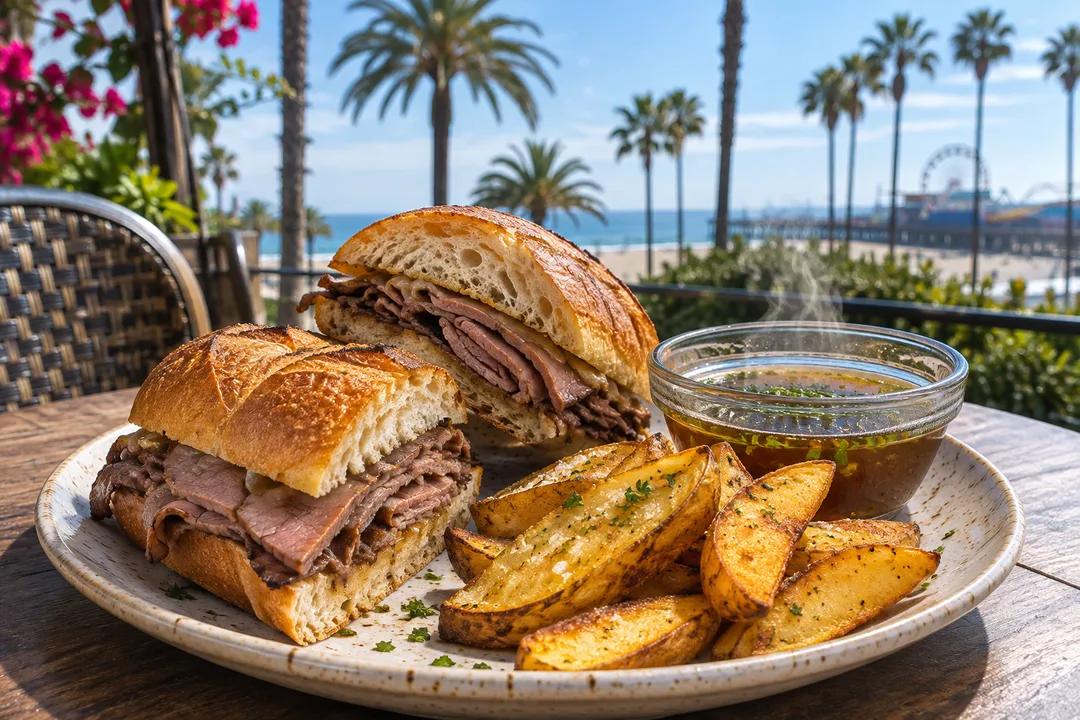
 Santa Monica French Dip Sandwich Lunch Picker by Ocean
Restaurants
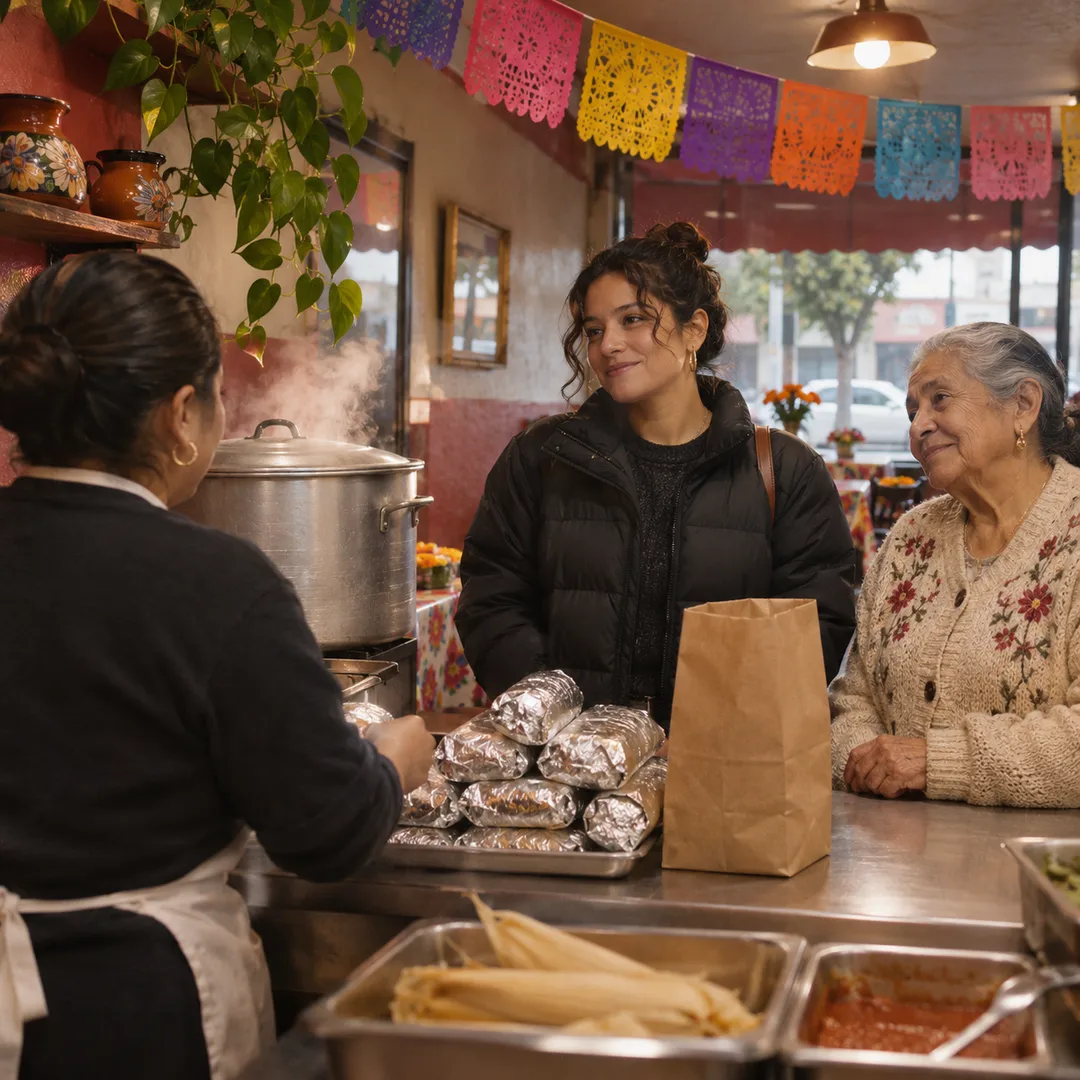
Holiday Tamale Shop Picker: Boyle Heights for Nochebuena
A holiday tamale shop picker for Boyle Heights: how to choose a shop for Nochebuena, split a family order by filling, and walk First Street while you wait.
Every family has one person who gets handed the tamale job for Christmas Eve, and this year in the Ortega house it was Lucía, back in Boyle Heights after three years in Sacramento. Her grandmother used to spread the masa herself. Her knees no longer allow it, so the family will buy. This holiday tamale shop picker follows Lucía's week of choosing, tasting and ordering, so your own Nochebuena table lands without a family argument.
The Job Nobody Volunteers For
In Boyle Heights, tamales in December are less a dish than an obligation passed down the family tree. The neighbourhood has been the front door for Mexican families on the East Side for generations, and many households still hold a tamalada, an afternoon where aunts, cousins and kids spread masa on soaked corn husks around one long table. When that stops happening, somebody has to find a shop that tastes close enough to home.
Lucía's grandmother gave her one instruction: the masa must be soft and fluffy, never dry, and the red chile must taste of chile, not of salt. That is a good starting brief for anyone. Before you think about fillings or quantities, decide what your family will compare the tamales against. A shop that suits a household raised on Michoacán-style tamales may disappoint a family whose memory is Zacatecas or Jalisco.
Tasting Before Committing
The smartest move is a scouting trip in early December, well before the rush. Lucía went on a weekday morning and bought two single tamales from each shop on her shortlist: one red pork and one green chicken, the two flavours almost every East Side shop makes and the fairest comparison. She ate them in the car, still warm, and took notes on a napkin like a judge at a county fair.
Look at three things. First, the ratio of masa to filling; some families want a generous filling, others like a thick masa layer that holds the steam. Second, how the husk peels away; a clean release usually means the tamale was steamed long enough. Third, whether the masa tastes of corn and fat in balance. Bring a sibling along. Two opinions settle a family debate faster than one.
Reading a Shop From the Doorway
You can learn a lot before ordering. A shop that runs big steamer pots from early morning, with a line of regulars who chat to the counter staff by name, is cooking for the neighbourhood rather than for visitors. Handwritten signs announcing the December order list are another clue. Panaderías that sell tamales alongside pan dulce are worth considering too, since the same family often makes both.
Lucía noticed something else: the shops her grandmother trusted all made champurrado, the thick chocolate atole, on cold mornings. It is not a rule, just a sign of a kitchen that cooks the full holiday menu. If a place offers you a taste of the champurrado while you wait, accept it, and ask whether they will make a larger pot for Christmas Eve pickup.
Splitting the Order by Filling
A family order for Nochebuena works best when each filling has a job. Red pork carries the meal and should be the largest share. Green chicken suits the cousins who do not like heat. Rajas con queso, strips of roasted poblano with cheese, are the vegetarian option and disappear fast. Then add a small batch of sweet tamales, often pink and studded with raisins, for the children and for coffee on Christmas morning.
Lucía's family is twenty-two people, so she counted roughly three savoury tamales per adult and two per child, then added a dozen extra for the plates that always leave with relatives at midnight. Write the order down by filling and dozen, and read it back to the counter staff. Ask how each dozen will be packed so you can tell red from green without unwrapping anything.
Ordering Early Is the Whole Game
The most common mistake is waiting until the week of Christmas. Shops across Boyle Heights fill their order lists early, and the last few days before Nochebuena can see lines down the block from before dawn. Ask during your tasting visit when they start taking holiday orders and whether they want a deposit. Then put a reminder in your calendar and treat the date like a flight check-in.
If you missed the window, do not panic. Many shops still sell walk-in tamales on Christmas Eve morning, though the popular fillings go first and you may wait a long time in the cold. Bring a thermos of coffee, a folding stool for anyone older, and a list of second choices. Lucía's cousin once came home with only sweet tamales, and the family still tells that story.
Mariachi Plaza While You Wait
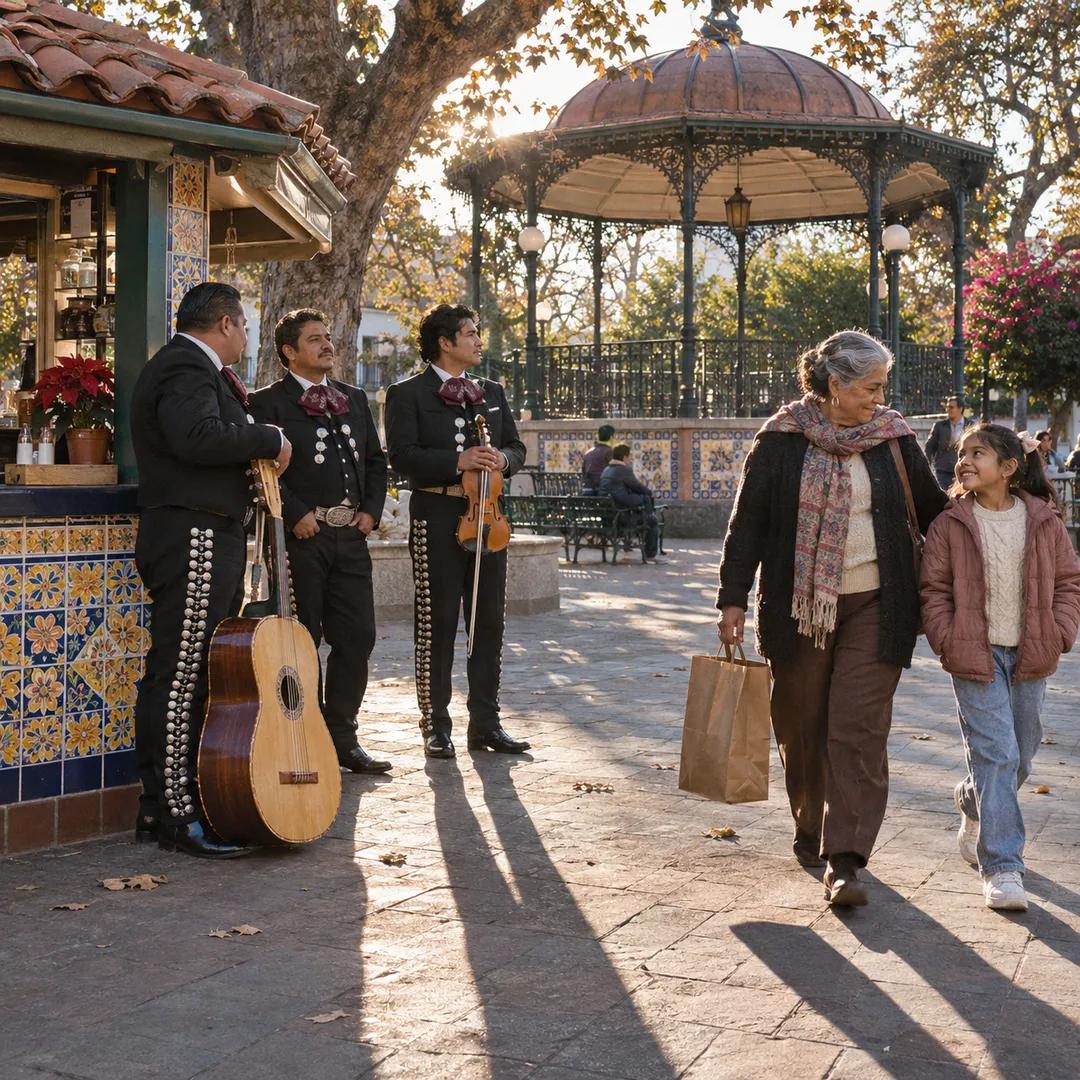
If you have time between a tasting stop and the next shop, walk over to Mariachi Plaza. For decades, musicians in charro suits have gathered here waiting to be hired for weddings, quinceañeras and Christmas parties, and in December you will often see families negotiating with a trio for Nochebuena. Even without hiring anyone, it is a good place to stand in the low winter sun and listen to someone tuning a violin.
From the plaza, First Street runs past murals, small markets, botánicas and family restaurants, a fair picture of how the neighbourhood lives day to day. Lucía walked it with her grandmother on the morning of pickup, slowly, stopping at a bench every few blocks. Her grandmother pointed out where a dance hall used to be and which corner store once sold the husks she soaked in her own kitchen sink.
Bringing Them Home Hot
Pickup day has its own logistics. Bring a cooler or an insulated bag lined with a towel to keep the tamales warm, and a sturdy box for the car floor so nothing tips on the drive. If you collect early in the day, let the tamales cool, keep them in the fridge, and reheat in a steamer pot an hour before guests arrive. Never microwave a whole dozen at once; the masa turns rubbery at the edges.
For a Nochebuena table, set out red salsa, green salsa, crema and pickled jalapeños, plus a pot of beans and a big bowl of ponche, the warm fruit punch with guava and cinnamon. Lucía's grandmother took the first red pork tamale, peeled it slowly, tasted it and said nothing for a long moment. Then she asked for a second one, which in that family counts as a rave.
Next Year's Shortlist
Once the season is over, keep your notes. Which shop's masa held up when reheated, which green chicken had the right sharpness, which counter staff remembered your name. Families that rotate the tamale job each year can pass the notes on like a recipe card, so the next person does not start from scratch.
Use the Karpo APP to save the Boyle Heights tamale shops you tried, see others nearby in East LA and Lincoln Heights, and share a shortlist with whoever inherits the job. Lucía has already been told she is doing it again next December. She says she does not mind, provided someone else is in charge of the ponche.
Ask Karpo for more information.
Keep reading
- Santa Monica French Dip Sandwich Lunch Picker by Ocean
 Echo Park French Dip Sandwich Lunch Picker Around Noon
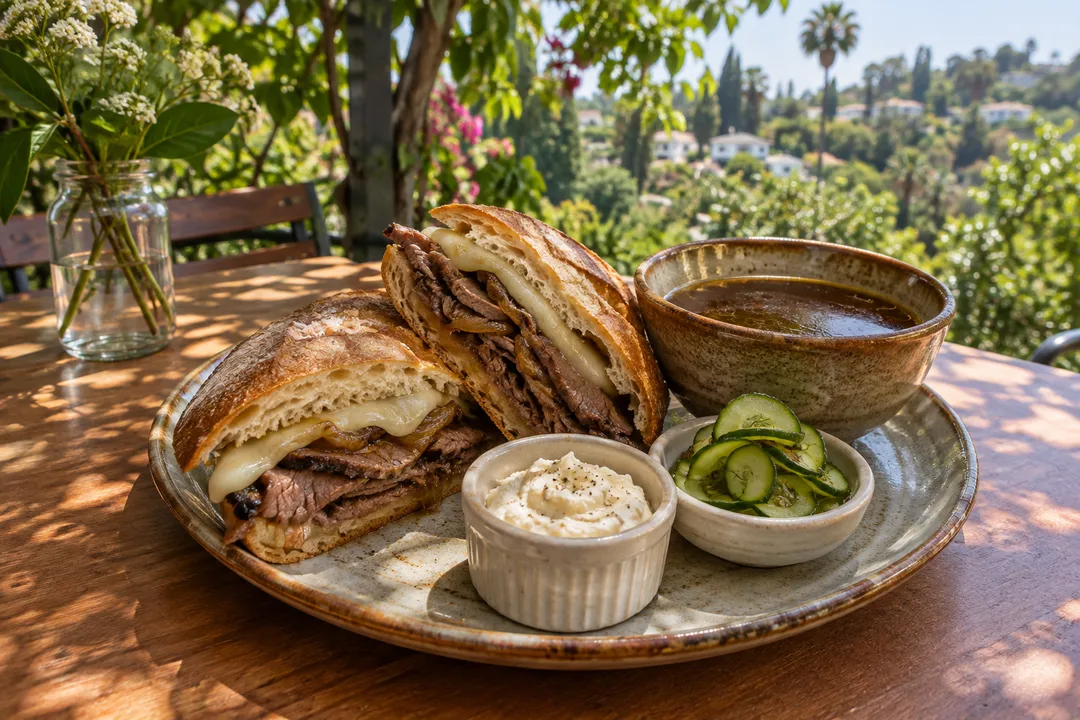 Silver Lake French Dip Sandwich Lunch Picker on Hillsides