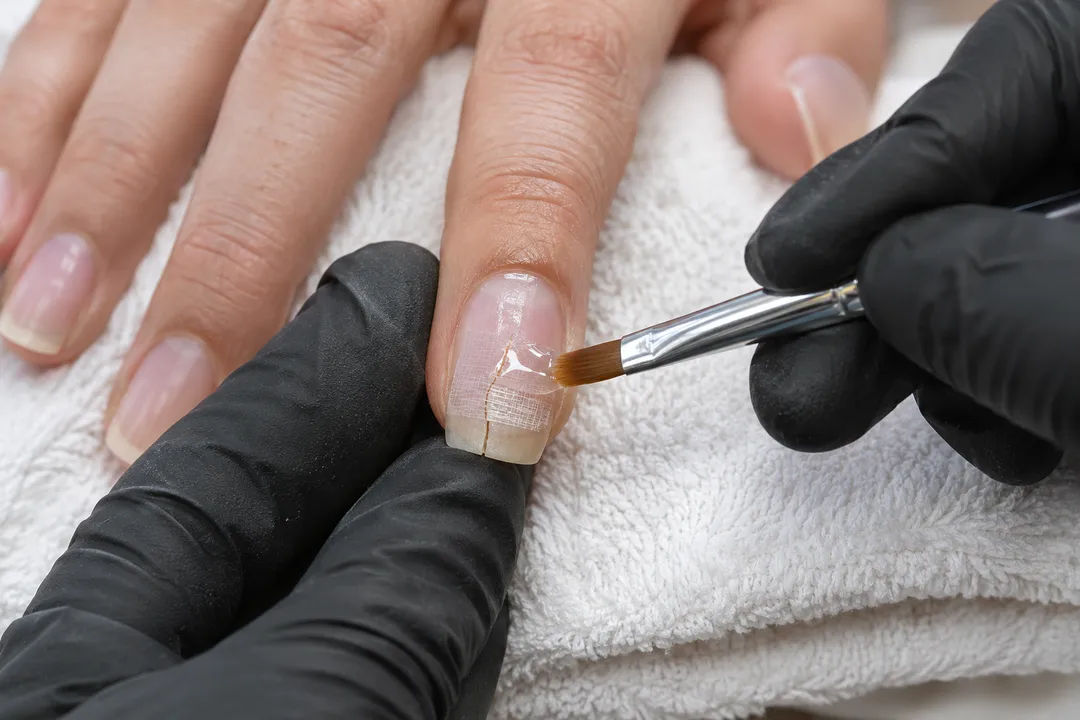
 Los Feliz Nail Salon Walk In Finder for Broken Nail Repair
Neighborhood Guides

LA Historic Walking Route: 3 Angelino Heights Comparisons
An Angelino Heights historic walking route compares roofs, porches and garden edges from public sidewalks, with residential privacy shaping every stop.
Angelino Heights rewards a historic walking route built around looking carefully without crossing the boundary between a public street and a private home. The LA Conservancy identifies it as a residential historic district with Victorian architecture alongside several other styles. That makes it a useful place to compare roof forms, porch details, and the spaces between buildings. This Los Angeles walk is an exterior observation exercise. It offers no house admission, filming-location access, or invitation to step into a garden, even when a particularly photogenic doorway is visible from the pavement.
Make the residential boundary your starting rule
Before choosing a route, agree on where the observation will happen: public sidewalks, with clear space for residents to pass. A low fence does not make a garden a visitor attraction. An open gate does not turn a front path into a viewing platform. This rule shapes the outing more usefully than a long list of famous houses. It lets you enjoy the district's architectural richness without treating daily domestic life as a performance arranged for your camera. Keep the group small enough to move aside easily.
Carroll Avenue is a natural research starting point because the Conservancy's Angelino Heights material documents the neighborhood's residential architecture. Use its background to locate the area on a map, then select a short sequence that stays within your group's walking comfort. Do not set a goal of photographing every recognizable facade. That turns other people's frontages into a competitive checklist. Choose a few contrasts you can study from ordinary pedestrian positions and leave gaps in the itinerary for anything that cannot be observed without getting in the way.
Give the walk a practical stopping rule before you begin. For example, finish once everyone has found one roof form, one porch detail, and one garden boundary worth discussing. These are your own observation goals, not an official tour itinerary. If a vehicle, delivery, or ordinary household activity obscures a planned view, move on. The view does not have to become available on demand. A route that can tolerate a missed house will remain pleasant, while an outing built around one exact photograph can become frustrating for everyone nearby.
Compare the shape above the street
Begin with the largest shapes. Follow the line where a roof meets the sky, notice whether the front is balanced or asymmetrical, and look at how a porch changes the outline. You do not need to identify every style on sight. The Conservancy lists several architectural traditions in the district, so treating every house as one uniform Victorian type would erase part of what makes the area interesting. Describe the visible difference first. Add a style name only when you have a source connecting that label to the particular building.
A notebook can be more useful than a zoom lens here. Make two quick silhouettes, then compare how each house presents itself to the street. One composition might emphasize a projecting section, while another appears broader or more restrained. Those are observations you can make without inventing a former owner's preferences. Avoid attaching a story about wealth, status, or family life merely because a building looks elaborate. Physical form provides a starting question. Documentary evidence is needed to turn that question into a historical explanation.
For companions with different interests, split the comparison by task rather than separating the group. One person notices the outline, another the porch, and another the setback. Meet those observations in a short conversation from a place where you are not blocking the pavement. Each person contributes something specific without needing to become the group's expert. This works particularly well when one walker likes photography and another prefers social history. The photograph records a visible form, while the historical question stays open for later reading.
Read the porch without entering it
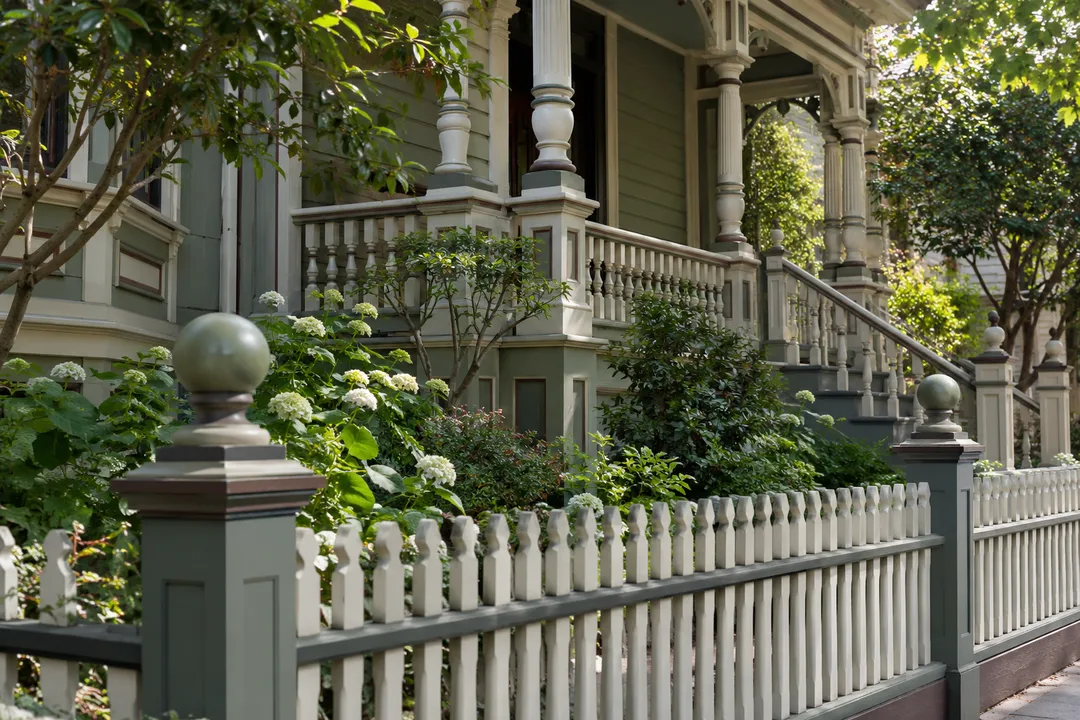
The porch is the second comparison because it sits between architecture and ordinary use. Look at its depth, the relationship between supports and roof, and the way steps connect it to the garden path. Stay on public ground throughout. A chair, plant pot, or everyday object is not evidence that visitors are welcome to approach. Nor should domestic possessions become the subject of a close photograph. Concentrate on the architectural relationship you can see from a respectful distance, with the entire household's privacy in mind.
Decorative timberwork invites close looking, but a photograph cannot establish its age or originality. Paint color is equally unreliable as a dating method. Describe a repeated pattern or the contrast between solid and open areas without calling it original unless a reliable record says so. If that question matters to you, note the building identity privately for subsequent research. There is no need to resolve every uncertainty in the street. An unanswered question about restoration can be a worthwhile outcome of a preservation walk.
Do not make famous filming associations the central test of a successful visit. A house can be worth observing even if you do not recognize it from a screen, and a screen association does not change its current residential boundaries. If someone wants a costume photograph or a longer posed sequence, that requires a different conversation and appropriate permission. This route is better suited to a quiet architectural comparison. Skip the elaborate photo setup and use the saved time to notice a second, less familiar building.
Notice what separates the houses
The third comparison concerns the spaces between buildings and the street: garden edges, paths, fences, and the distance from pavement to porch. These features organize how the neighborhood feels to a pedestrian. Compare their arrangement without guessing who lives behind them or why a particular household made a choice. The subject is the visible relationship between private and public space. A narrow view between houses is not an invitation to explore it, and a side passage should never become an improvised shortcut.
This part of the walk is also a useful moment to discuss preservation as an ongoing practice. The Conservancy presents Angelino Heights in the context of historic preservation, rather than as a frozen stage set. You can carry that idea into your observations without making unsupported claims about an individual property's legal status. Ask what you would need to learn to understand a particular alteration: a designation record, an older photograph, or a documented restoration account. Write the question down instead of judging the work solely from the pavement.
Practical Notes
Plan the route as a short residential visit with a separate refreshment decision afterward. Bring water, allow for sloping streets, and let the person with the lowest tolerance for climbing determine the optional extension. Avoid promising a step-free circuit unless you have independently assessed its actual sidewalks and crossings. A map can show connections but cannot settle every access condition. The generated photographs here illustrate architectural forms and respectful viewing distance. They do not identify particular houses, document present conditions, or show historical versions of the neighborhood.
You can use Karpo APP to explore nearby ideas around a quiet architecture outing. Keep the request about your interests and constraints, then record the actual walking sequence yourself. For preservation background, start with the LA Conservancy's Angelino Heights page at laconservancy.org. For any organized visit, use the operator's own arrangements. End with your three comparisons and one question to research later. That gives the walk a clear result while leaving the neighborhood's residents the space to continue their ordinary day.
Ask Karpo for more information.
Keep reading
- Los Feliz Nail Salon Walk In Finder for Broken Nail Repair
 Highland Park Nail Salon Walk In Finder for Retro Manicures
 Koreatown Nail Salon Walk In Finder for K-Beauty Nail Looks