 Los Feliz Nail Salon Walk In Finder for Broken Nail Repair
Neighborhood Guides
Arts District Historic Neighborhood Photo Walk Trail
Capture industrial freight depots and vibrant creative lofts along Santa Fe Avenue. Use the Karpo APP to locate dramatic warehouse alleys in morning light.
Santa Fe Avenue anchors the rugged industrial core of the Downtown Los Angeles Arts District, where late nineteenth-century rail depots, citrus packing houses, and concrete daylight factories have transformed into one of the country's most dynamic creative enclaves. Originally developed alongside the transcontinental rail yards of the Atchison, Topeka and Santa Fe Railway, the precinct retains its massive brick freight houses, elevated loading docks, and weathered steel rail spurs. Undertaking this historic neighborhood photo walk immerses photographers in a gritty and magnificent visual landscape of heavy timber industrial architecture, vibrant monumental street murals, and soaring historic concrete river bridges that celebrate the industrial heritage of Southern California.
Railroad Warehouses and Freight Architecture on Santa Fe
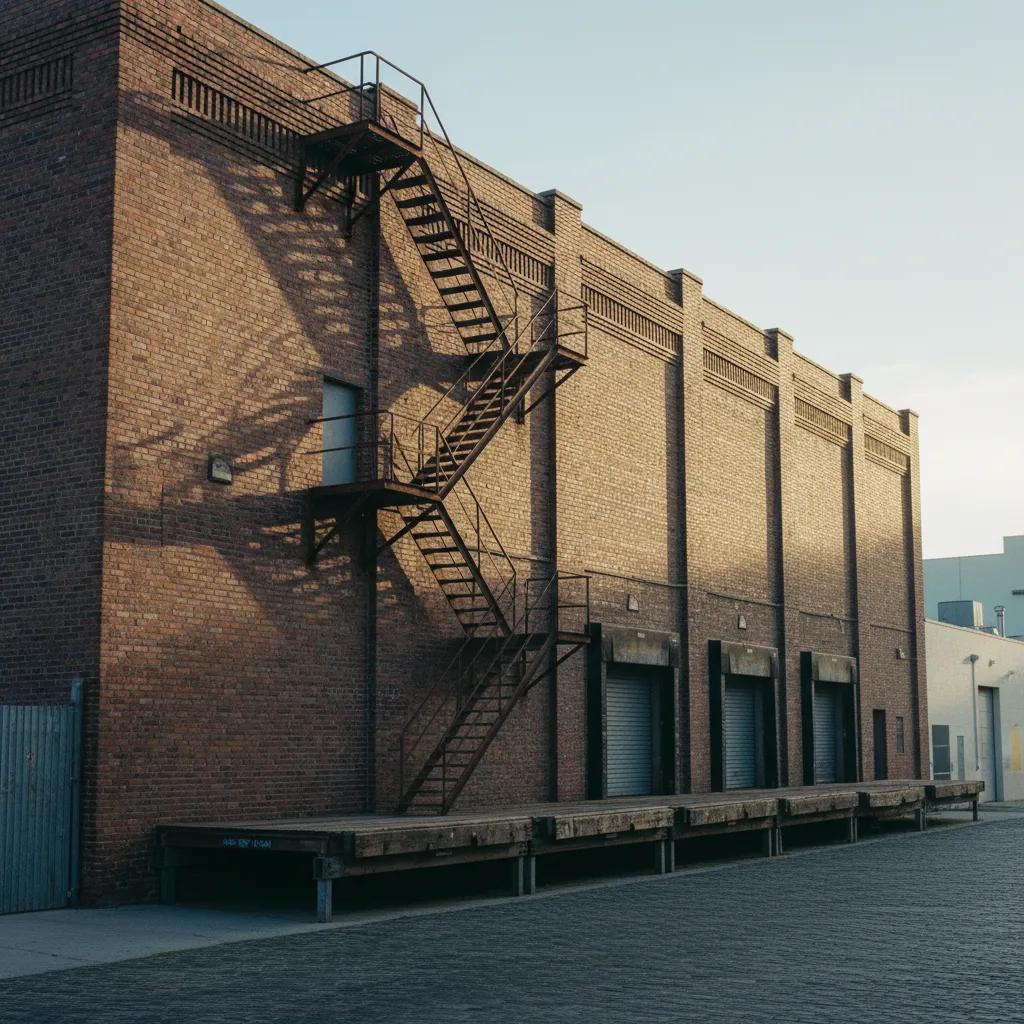
Santa Fe Avenue presents an imposing architectural timeline of early twentieth-century American industrial expansion. Standing outside the landmark 1906 Santa Fe Freight Depot, a monolithic quarter-mile-long concrete structure designed by Harrison Albright, reveals the pioneering use of reinforced concrete in California freight architecture. The rhythm of repeating freight bay doors, rusted steel rolling shutters, and cantilevered timber loading platforms creates sweeping linear perspectives that command the camera lens.
Brick warehouse buildings along adjacent streets like 3rd, 4th, and Hewitt Streets showcase expressive American round-arch industrial masonry, featuring corbelled brick cornices, heavy stone sills, and arched loading portals. The weathered crimson and ochre tones of the historic clay bricks contrast boldly with the pale asphalt roadway and clear blue California sky, providing textured backdrops for documentary street photography.
Early Morning Light and Long Warehouse Shadows
Early morning between 7:30 am and 10:00 am offers optimal photographic lighting before the desert sun rises high overhead. Low-angled eastern sunlight streams through east-west corridors like Traction Avenue and 3rd Street, casting long, graphic shadows from fire escapes, exterior stairways, and rooftop water towers across the street surface. The intense diagonal lighting etches sharp relief across textured brickwork and exposed aggregate concrete walls.
The spatial openness of wide industrial roadways allows clean, unobstructed architectural framing without visual interference from dense tree canopies. Look for moments when early morning light catches the reflective surfaces of industrial glass windowpanes, illuminating vintage timber structural beams visible inside converted loft studios.
Street Murals, Graffiti Heritage, and Creative Enclaves
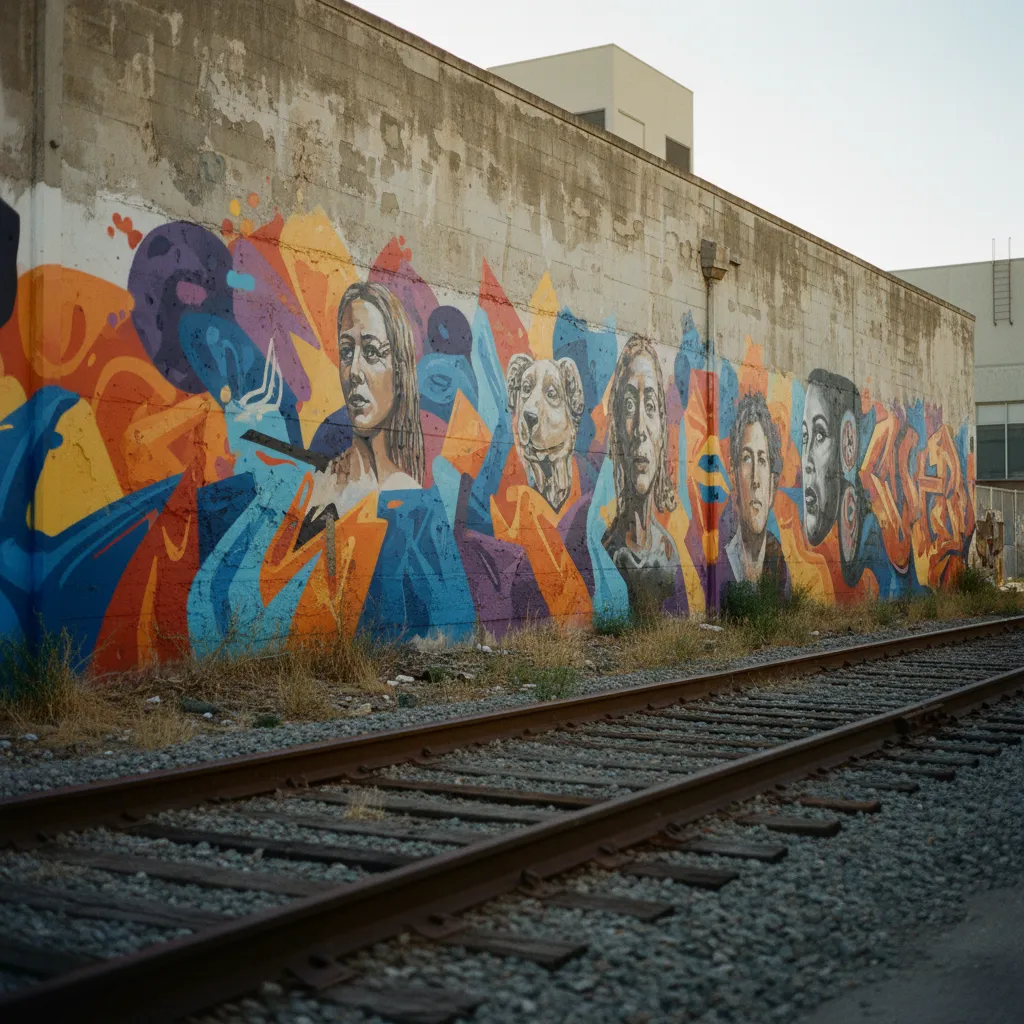
Traction Avenue and 4th Place feature world-renowned public street art murals that showcase the district's evolution from an underground 1970s artist colony into an internationally celebrated creative hub. Monumental wall paintings by renowned street artists adorn multi-story warehouse facades, blending photorealistic portraiture, bold graphic typography, and abstract color fields. The vibrant pigments bring vivid emotional warmth to the utilitarian industrial architecture, turning blank stucco and brick walls into dynamic urban canvases that attract gallery curators and independent filmmakers from around the globe.
Photographing murals within the industrial context requires composing frames that include authentic architectural details such as fire hydrants, roll-up metal doors, and exterior conduit pipes. These functional urban elements ground the artwork in its genuine industrial environment, producing documentary photographs that celebrate the neighborhood's working-class and creative lineage.
Alameda Commercial Traffic and Freight Corridors to Skip
Alameda Street along the western border functions as a heavily trafficked commercial trucking artery connecting downtown rail yards with the ports of Los Angeles and Long Beach. Constant diesel semi-truck traffic, loud engine noise, and wide multi-lane intersections create an unpleasant, dusty walking environment that disrupts contemplative architectural photography. Skip attempting continuous street photography along Alameda during morning and afternoon commercial freight hours.
Interior pedestrian streets like Traction Avenue, Palmetto Street, and Mateo Street offer peaceful, pedestrian-friendly environments with ample sidewalks and minimal heavy truck traffic. These historic blocks feature converted coffee roasteries, independent artist galleries, and outdoor dining patios where photographers can wander and shoot in relaxed comfort.
Historic River Bridges and Architectural Steelwork
The historic Fourth Street Viaduct and Sixth Street Viaduct cross the Los Angeles River just east of Santa Fe Avenue, providing monumental civil engineering backdrops for industrial photography. Constructed in 1931, the Fourth Street Viaduct features elegant Beaux-Arts concrete pylons, classical open-balustrade railings, and Gothic-inspired arch supports that frame the concrete river channel below. The soaring concrete spans create majestic frames when photographed from street level beneath the approaches, highlighting the sculptural monumentality of public infrastructure.
Looking upward from underneath the viaduct ramps reveals dramatic structural intersections of concrete pillars, steel expansion joints, and weathered bridge undercrofts. The interplay of cool shadowed concrete in the foreground and brilliant sunlit warehouse rooftops in the distance yields dynamic tonal contrasts that evoke classic film noir cinematography.
Mateo Street Converted Lofts and Cultural Spaces
Mateo Street preserves some of the most beautifully restored factory complexes in downtown Los Angeles, including historic textile mills and cold-storage facilities converted into creative production spaces and galleries. The expansive multi-pane steel sash windows, saw-tooth daylight roofs, and elevated concrete loading docks showcase the functional brilliance of twentieth-century industrial daylight design. Composing frames looking down Mateo captures the repeating rhythm of industrial window bays and weathered fire escapes.
Pausing at an independent artisanal cafe along Mateo Street provides a welcome chance to review exposures and enjoy a refreshing cold brew. The bustling creative energy and unique architectural spaces provide engaging documentary opportunities that celebrate the neighborhood's dynamic revitalization, contrasting historic brickwork with modern California interior design and lush courtyard container plantings.
Transit Access and Practical Industrial Field Notes
Reaching the Arts District is straightforward using public transportation, with the Little Tokyo / Arts District Metro Regional Connector station located just a short walk northwest, connecting the A and E light rail lines. In addition, the Metro 18 and 60 bus routes provide frequent transit links from downtown transit hubs.
Industrial streets and historic freight docks can have uneven curbs, cracked asphalt, and active delivery zones, so sturdy closed-toe shoes are essential for a safe, comfortable photo walk. Keep an eye out for commercial vehicle movement on side alleys, protect lenses from blowing urban dust, and open the Karpo APP to follow curated walking paths and locate historic architectural landmarks across the Arts District. Exploring these historic brick corridors during morning hours offers an enriching perspective on Los Angeles's enduring industrial roots and thriving contemporary arts community.
Ask Karpo for more information.
Keep reading
- Los Feliz Nail Salon Walk In Finder for Broken Nail Repair
 Highland Park Nail Salon Walk In Finder for Retro Manicures
 Koreatown Nail Salon Walk In Finder for K-Beauty Nail Looks