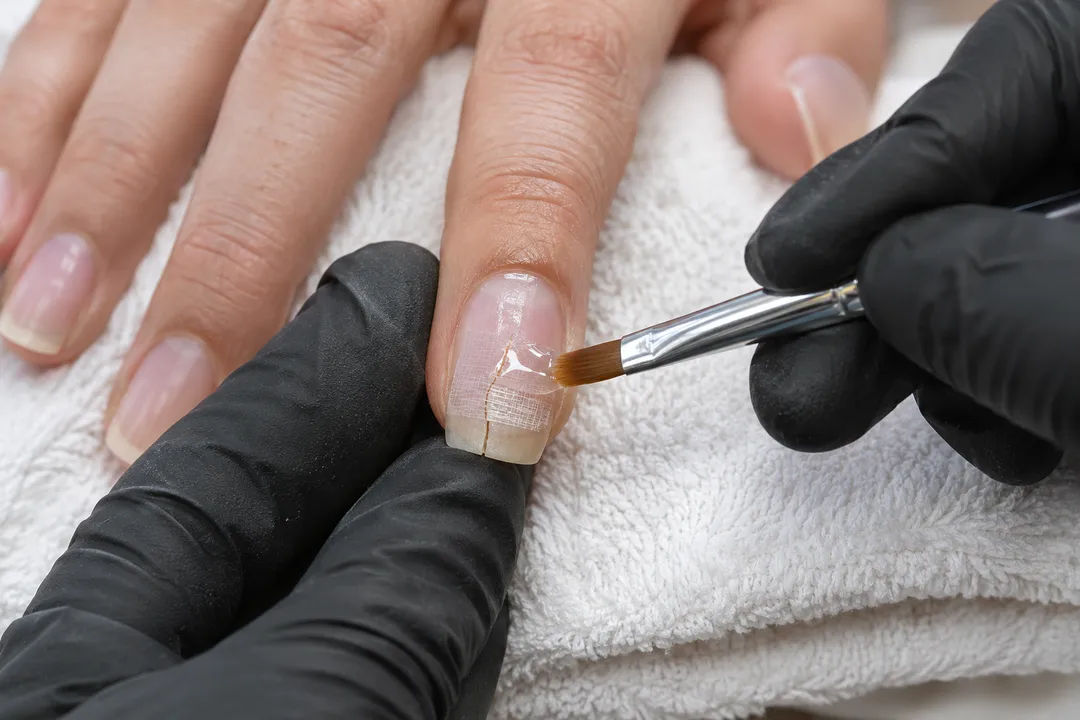
 Los Feliz Nail Salon Walk In Finder for Broken Nail Repair
Neighborhood Guides
Pasadena Historic Neighborhood Loop: Plan Bungalow Route
Plan a Pasadena historic neighborhood loop through Bungalow Heaven with three pacing options, visual prompts, and simple ways to shorten or extend the walk.
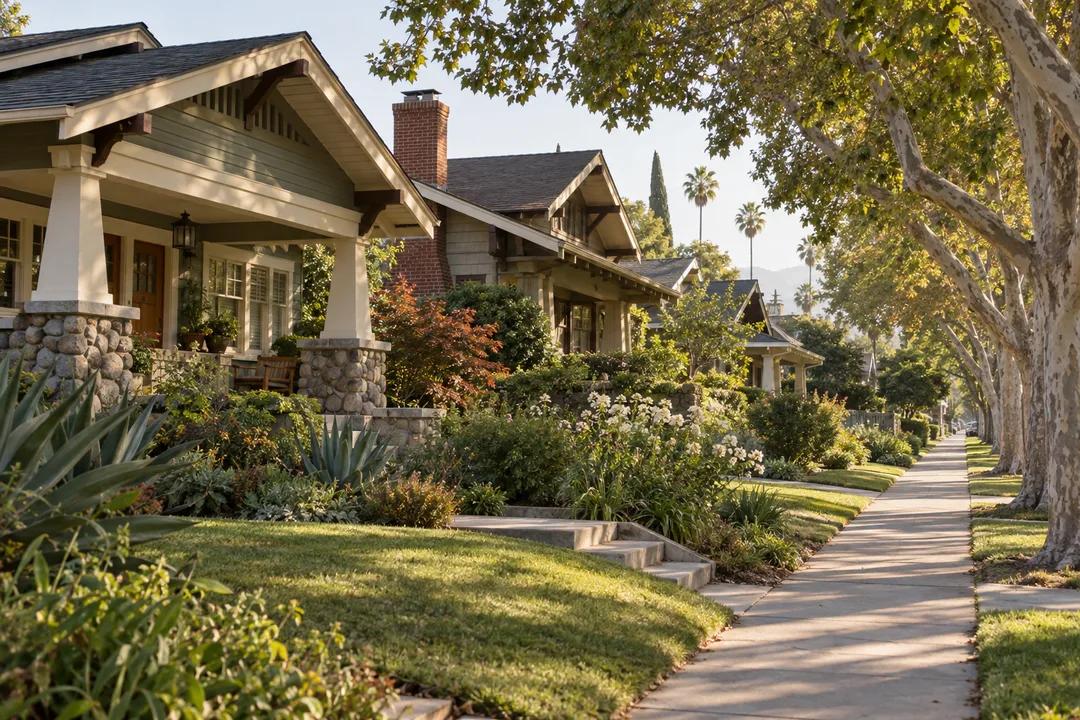
A Pasadena historic neighborhood loop works best when you treat the residential fabric as the destination. Bungalow Heaven rewards a slow start: pick one side street, notice the low rooflines and front gardens, then let the route widen only after everyone understands the pace. This guide gives you three decisions rather than a rigid itinerary—how much architecture to study, how much shade your group needs, and whether the final stretch should end in conversation or quiet. The useful plan is the one you can change without losing the character of the neighborhood.
Start with the street texture, not a mileage target
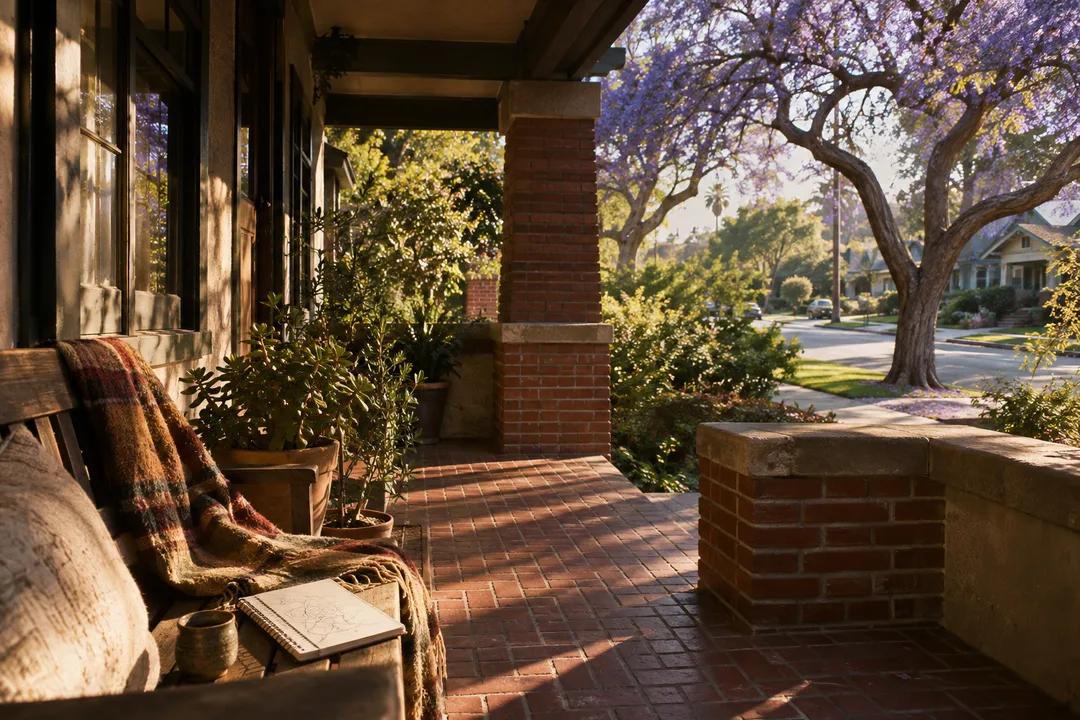
Begin with a simple promise to the group: you are walking to read a place, not collecting every block. Pasadena’s bungalow streets alternate between open lawns, deep porches, clipped hedges, and mature canopy. That changing rhythm makes a short loop feel complete. Ask each person to choose a detail to watch for—porch columns, brick chimneys, stained glass, or the way a driveway interrupts the sidewalk. A shared observation keeps the outing grounded and prevents the route from turning into a photo scavenger hunt.
For a house-focused opening, keep the first section compact and stay on broad public sidewalks. Look for repeated patterns across several homes instead of lingering at one address. The most interesting comparison may be between a carefully restored facade and a simpler porch with original proportions. Move when residents approach, keep gates and paths clear, and frame photographs toward the street. You do not need a private history for every house; the visible relationship between garden, porch, and pavement is enough to tell the neighborhood’s story.
Choose a house-focused opening
A second option uses a longer arc through the district, with a deliberate pause whenever the canopy thins. Let the person who tires fastest set the walking speed, and make the next turn a group decision rather than an assumption. The route can feel generous without being long if you pause at a corner to compare roof shapes or listen for the difference between a busy avenue and a quiet residential lane. Treat every stop as optional so nobody feels trapped by the map.
Pasadena heat changes the route more than a map does. Put the sunniest blocks early, then move into tree-lined streets when the group wants a slower conversation. Cross only where the street layout gives everyone time to regroup; a historic loop is less enjoyable when the walkers split at every intersection. If the pavement becomes uncomfortable, shorten the circuit and use a shaded return. The goal is a clear sense of place, not a mileage badge earned at the cost of attention.
Use shade and crossings as route controls
For a social version, assign small roles. One person watches the skyline, another notices garden transitions, and a third keeps an eye on the next rest point. Rotate those jobs every few blocks so the walk does not become a tour led by one voice. Keep volume low near front porches, avoid photographing through windows, and never turn a resident’s routine into a performance. This etiquette makes room for the neighborhood’s ordinary life, which is the evidence that the historic fabric still functions.
You can also make the loop a two-part outing by reserving the final third for a public gathering place or a nearby cafe area rather than inserting food stops between houses. That keeps the residential section uncluttered and gives everyone a clear finish line. If a friend joins late, meet at the planned ending instead of reversing the whole route. A good planner leaves a handoff point where people can rejoin without asking the group to repeat its steps.
Make the loop social without crowding homes
The quietest ending is a short return along a different parallel street, chosen for a final look at porches in changing light. The conversational ending is better when the group wants to compare favorite details and decide whether to save another neighborhood for a future walk. Either way, avoid treating the last block as filler. Notice how the street edge changes as you approach a busier corridor, and let that transition close the story from bungalow scale back to city scale.
A useful Karpo plan can hold three versions of this Pasadena loop: a compact house-reading circuit, a shade-prioritized route, and an extended version with a deliberate social finish. Save the route with the group’s walking tolerance, preferred start window, and a fallback turn. That way a late arrival, a hot afternoon, or a tired child changes the recommendation instead of canceling the outing. Planning for a shorter route is not a compromise; it is how you protect the attention that makes the walk worthwhile.
Add a quiet ending that matches the group
If the group is photographing, set a rule before you start: shared streets only, no posed portraits of residents, and no stopping in a driveway or gate opening. Choose one wide image that explains the block, then a few detail frames that show materials or shadows. Skip any composition that requires stepping into traffic or blocking a sidewalk. The best visual record is often modest—a porch line, a canopy gap, or a row of mailboxes—because it leaves the neighborhood usable for the next passerby.
Keep the plan resilient by naming an exit after each major section. A short loop can finish as soon as the group has compared three house types. A longer one can continue if everyone still has energy and the shade remains comfortable. If conversation fades, switch to a silent observation prompt for one block, then regroup. These small controls prevent the common failure mode of a historic walk: people keep moving because the map says so, even after the experience has stopped feeling good.
Practical notes for a flexible Pasadena walk
Before leaving, write down the group's preferred return direction and one block where everyone can pause without crowding a porch. That tiny handoff makes the route easier to reuse when the next outing starts at a different corner.
Practical notes: wear shoes that handle uneven sidewalk joints, carry water, and keep a lightweight layer for shaded streets. Use the route as a walking aid rather than a promise about every block. Save one alternative return that avoids the brightest stretch, one meeting point for anyone arriving late, and one clear place to end before fatigue takes over. With those choices stored, a Pasadena historic neighborhood loop can stay curious, courteous, and adjustable from the first porch to the final corner.
Ask Karpo for more information.
Keep reading
- Los Feliz Nail Salon Walk In Finder for Broken Nail Repair
 Highland Park Nail Salon Walk In Finder for Retro Manicures
 Koreatown Nail Salon Walk In Finder for K-Beauty Nail Looks