 Los Feliz Nail Salon Walk In Finder for Broken Nail Repair
Neighborhood Guides
Los Feliz Historic Neighborhood Loop: Hillside Design Route
Plan a Los Feliz historic neighborhood loop with design-focused pauses, hillside pacing, and easy ways to separate residential viewing from a social finish.
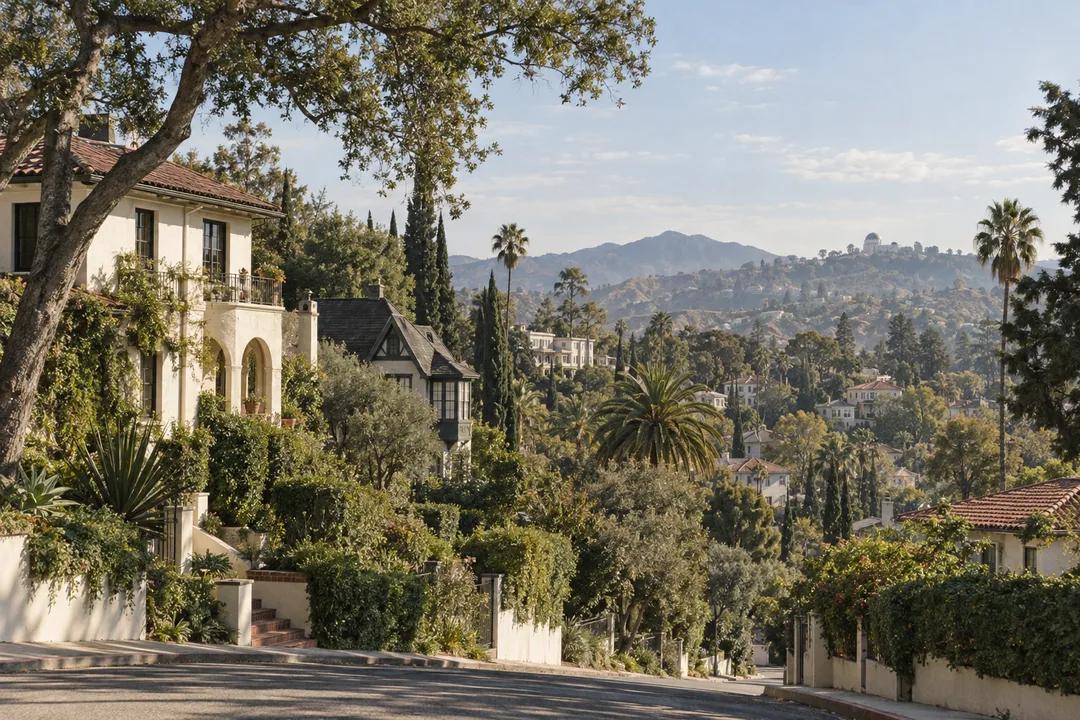
A Los Feliz historic neighborhood loop is strongest when it connects design ideas to the experience of walking a hill. The area’s houses, gardens, and views can invite a landmark hunt, but a useful route leaves room for ordinary streets and the pauses between them. Choose a question before you start—how architecture follows terrain, how modern repairs sit beside older lines, or how a residential street opens toward a broader city view. Then let the group’s energy determine how far the loop goes.

Start with a design question
Begin with a low-pressure orientation. Ask each walker to notice one relationship between house and landscape: a retaining wall, a stair, a porch facing the slope, or a tree that changes the view. That prompt keeps the group from turning every facade into a fact quiz. Los Feliz feels most coherent when you compare sequences rather than isolate a single object. Give people time to notice, then regroup where the sidewalk is wide enough for conversation and passing traffic.
A design-focused version can use a compact circuit with one major visual anchor and several quieter comparisons. Treat the anchor as a question, not a finish line. What makes the roofline work on the hill? Which materials repeat down the block? Where does a garden mediate between public sidewalk and private home? Keep those questions open because the visible evidence is enough. You do not need to invent an architect, date, or private story to make the walk meaningful.
Use the hillside as a pacing tool
The hillside should guide the order. Put the harder ascent early if the group wants to concentrate before fatigue, or begin on a gentler stretch if conversation matters more than elevation. Build in a pause before every long slope, and use the next turn as a shared choice. If someone needs to shorten, the route should return toward the lower corridor without forcing a steep reversal. A historic loop is successful when the plan accommodates different bodies without making anyone apologize for their pace.
When a route approaches a notable design landmark, keep the public view and the residential setting distinct. Look from the sidewalk, avoid blocking driveways, and treat nearby homes as context rather than attractions. A camera can record geometry without showing windows or private gardens. If the group wants a longer discussion, move to a public edge where people can stand without interrupting neighbors. This separation lets the design story breathe while preserving the quiet use of the street.
Separate landmark attention from home life
For a slower loop, alternate detail blocks with reset blocks. On a detail block, compare lines, textures, and garden edges. On a reset block, walk without stopping and let the eyes adjust. That rhythm prevents visual fatigue and keeps the outing from becoming a series of abrupt halts. A friend who is less interested in architecture can still enjoy the shade, slope, and changing views. The planner should make space for different kinds of attention rather than demanding the same enthusiasm from everyone.
A social finish works best outside the residential reading section. Set a clear handoff point where the group can discuss favorites, find a meal, or decide whether to continue elsewhere. Karpo can help sort the next step by distance and mood, but the historic loop should not promise live reservations or guaranteed availability. If the first choice feels crowded, use the alternative you stored before leaving. Separating the two decisions keeps the neighborhood walk focused and the evening flexible.
Give the route a neighborhood rhythm
The route’s final observation can be about transition. Notice how a quiet hillside street changes as it meets a busier Los Feliz corridor, and how the sound of traffic alters the sense of scale. Ask each person to name one design detail they would have missed without walking. That answer turns the route into a shared memory instead of a list of stops. It also gives the group a natural point to end, even when the map offers more possible turns.
Save three versions in Karpo APP: a compact design circuit, a hill-aware route with extra regroup points, and an extended loop that hands off to a social destination. Include a maximum walking tolerance and a preferred pause interval. If the tool suggests a longer option, treat it as a choice rather than a requirement. The best recommendation is the one that preserves curiosity after the last hill, not the one that fills every available minute.
Choose a finish beyond the facade hunt
Photograph the relationship between structure and terrain: a stair rising behind a hedge, a roofline appearing over a retaining wall, or a tree framing a distant ridge. Use public sidewalks and keep the group out of driveways. Skip any image that requires a person to move for the camera. Design-focused walking becomes more generous when the record is observational rather than extractive, and the resulting images often explain the neighborhood better than a close-up of a single famous facade.
Have a plan for a changed afternoon. If heat builds, move the route toward shade and shorten the exposed segment. If a hill feels too demanding, choose the lower parallel return. If the group wants more conversation than design, end the observation phase early and switch to the saved social option. Late arrivals can join at the next regroup point. These small decisions keep the route welcoming without pretending that every condition is predictable.
Practical notes for a Los Feliz loop
Record which slope and pause length felt comfortable. That small note turns a one-time design walk into a better next route, especially when the group changes or the season makes the hillside feel different.
Practical notes: supportive footwear matters on slopes, and water is more useful than an ambitious landmark count. Keep the group quiet near homes, leave sidewalks open, and avoid using private driveways as viewpoints. Save one short, one hill-aware, and one extended version in Karpo APP. With those controls, a Los Feliz historic neighborhood loop can hold architecture, landscape, and everyday life in the same walk without flattening the neighborhood into a checklist.
Ask Karpo for more information.
Keep reading
- Los Feliz Nail Salon Walk In Finder for Broken Nail Repair
 Highland Park Nail Salon Walk In Finder for Retro Manicures
 Koreatown Nail Salon Walk In Finder for K-Beauty Nail Looks