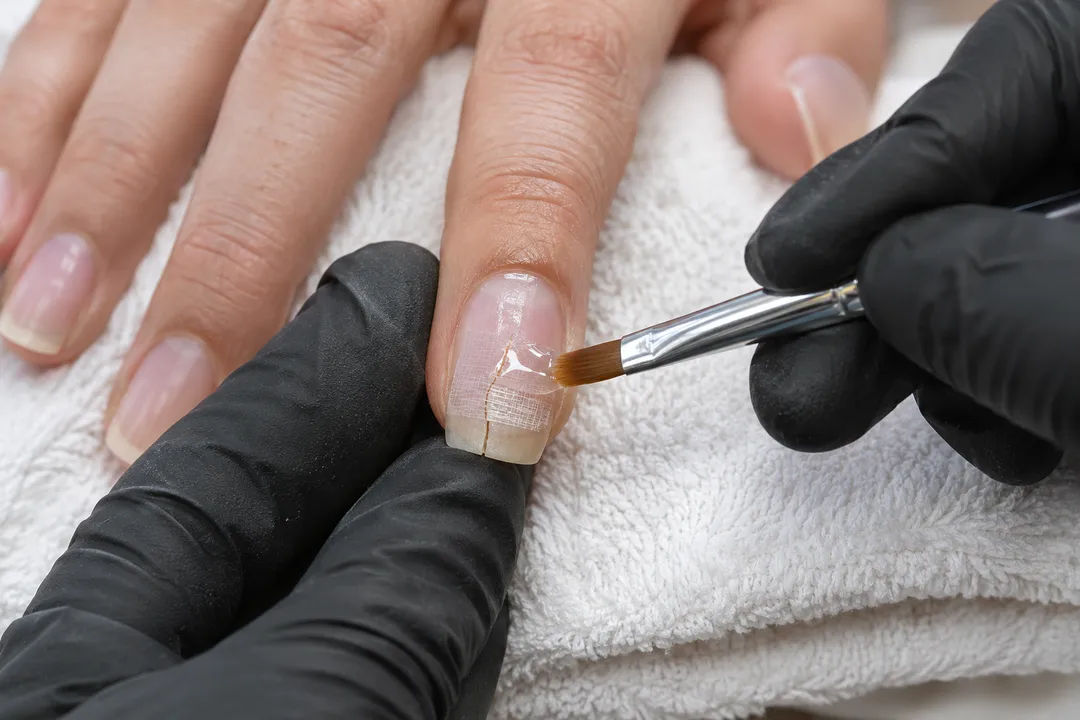
 Los Feliz Nail Salon Walk In Finder for Broken Nail Repair
Neighborhood Guides

Venice Historic Architecture Walking Route: 5 Canal Walks
Walk a Venice historic architecture walking route in LA from Abbot Kinney's 1905 Windward colonnade and canal bridges to walk streets and Main Street icons.
When tobacco fortune heir and developer Abbot Kinney opened his coastal resort town of Venice of America on Independence Day in 1905, he hired architects Norman F. Marsh and Clarence H. Russell to transform soggy Pacific salt marshes into an Adriatic fantasy of arched arcades, tidal canals, and pedestrian garden lanes. Over the following century, that eccentric 1905 skeleton attracted Craftsman bungalow builders, New Deal Streamline Moderne engineers, and postwar avant-garde architects led by Frank Gehry and Morphosis. Following a Venice historic architecture walking route from Windward Circle through the surviving canal basin and car-free walk streets to Main Street lets you read every layer of coastal California design on foot.
Abbot Kinney's 1905 Venetian Renaissance Colonnade on Windward Avenue
Start at Windward Circle—originally excavated in 1905 as the central Grand Lagoon where gondolas met passengers stepping off the Pacific Electric railway—and walk west down Windward Avenue toward the ocean boardwalk. Flanking both sides of Windward Avenue is the last surviving stretch of Marsh and Russell's Venetian Renaissance commercial arcade, protected under a city historic preservation overlay. Notice how the continuous second-story overhang rests on repeating classical columns and pointed Venetian Gothic arches, forming a shaded loggia that once sheltered seaside strollers from glare and ocean spray.
Before leaving the eastern edge of Windward Circle at Grand Boulevard, pause in front of the former Venice Post Office, a clean-lined Classical Moderne public building completed in 1939 under the federal Works Progress Administration. Inside its public lobby hangs artist Edward Biberman's panoramic mural *The Story of Venice*, painted in 1941, which depicts Abbot Kinney holding his original architectural blueprint against a backdrop of early roller coasters, oil derricks, and Renaissance colonnades.
Footbridges and Craftsman Bungalows in the Venice Canal Historic District

Walk three blocks south from Windward Circle along Dell Avenue to enter the Venice Canal Historic District, placed on the National Register of Historic Places in 1982. Although the northern canals around Windward Circle were paved over for automobile roads in 1929 after Venice consolidated with the City of Los Angeles, the southern quadrangle of Carroll Canal, Linnie Canal, Howland Canal, and Sherman Canal survived intact. Connected to the ocean tide via Ballona Lagoon, these four tranquil waterways are crossed by nine arched wooden and concrete pedestrian footbridges.
Strolling along the narrow concrete duckwalks that border Carroll Canal and Linnie Canal reveals a remarkable architectural dialogue across narrow thirty-foot waterfront lots. On one parcel sits a low-slung 1910s California Craftsman summer cottage with exposed redwood rafter tails, river-rock porch piers, and wide horizontal clapboards built for early tent-city vacationers. Next door rises a sculptural late-twentieth-century infill house clad in standing-seam zinc, board-formed concrete, and floor-to-ceiling pivoting glass walls that open living rooms directly onto the canal path.
Car-Free Walk Streets and Frank Gehry's Sculptural Experiments
Head north across Venice Boulevard toward Abbot Kinney Boulevard and turn onto the traffic-free pedestrian lanes of Milwood Avenue, Marco Place, Amoroso Place, and Nowita Place, known locally as the Venice walk streets. Laid out before private cars existed—when trash and groceries moved through rear service alleys and front doors faced a narrow ten-foot concrete garden promenade—these streets preserve a pedestrian intimacy vanished from most of Los Angeles. Beneath canopies of coral trees and giant bird-of-paradise, you can compare 1908 hipped-roof beach cottages, 1920s Spanish Colonial Revival duplexes with arched stucco porches, and mid-century artist studios.
Follow Horizon Avenue or Westminster Avenue west to Ocean Front Walk and north to Main Street to see how Venice inspired the California Deconstructivist movement of the 1980s and 1990s. Facing the beach boardwalk near Brooks Avenue stands Frank Gehry's 1984 Norton House, which stacks a blue-tiled residence beneath an elevated wood-clad writer's studio shaped like a California beach lifeguard tower. Three blocks inland on Main Street between Rose Avenue and Navy Street rises Gehry's 1991 Chiat/Day Building, a tripartite facade combining a curved white boat-prow wing, copper-patinated tree-trunk columns, and a three-story sculptural centerpiece of dark steel binoculars created in collaboration with artists Claes Oldenburg and Coosje van Bruggen.
Between Windward Avenue and Rose Avenue along the beachfront promenade, you can also trace the mid-century transition that bridged Abbot Kinney's resort era and Gehry's sculptural experiments. At the corner of Rose Avenue and Ocean Front Walk stands the Cadillac Hotel, originally constructed in 1914 as a brick seaside lodging and remodeled during the late 1930s into a crisp Streamline Moderne landmark with stepped vertical fins, terrazzo entrance steps, and curved corner glass overlooking the Pacific. Just inland along Washington Boulevard near Abbot Kinney Boulevard, designers Charles and Ray Eames operated their legendary molded-plywood and fiberglass workshop for four decades starting in 1943 inside a converted brick Bay Cities garage, cementing Venice as an international studio capital.
Morning Marine Light, Boardwalk Crowds to Skip, and Your Walk-Street Plan B
Set out between eight-thirty and eleven in the morning when the tidal waters of Carroll and Linnie Canals lie mirror-flat and soft marine-layer light brings out the pastel pigments of the Windward Avenue arcade, built in 1905, without harsh coastal glare. Along the narrow canal sidewalks and pedestrian walk streets of Milwood and Marco Place, remember that front windows sit only a few feet from the public footpath. Keep voices quiet, yield the narrow canal bridges to residents with strollers or dogs, and stay on the public concrete path rather than stepping onto private bridge landings.
Skip walking Ocean Front Walk between Windward Avenue and Rose Avenue on Saturday and Sunday afternoons if your goal is calm architectural observation, when dense boardwalk crowds, street performers, and souvenir stalls obscure the surviving early twentieth-century brick hotel facades. Also skip walking along Lincoln Boulevard, a noisy six-lane commercial artery far inland from the historic resort core. If afternoon onshore winds kick up blowing sand along the beachfront or weekend shoppers crowd the narrow curbs of Abbot Kinney Boulevard, switch to your Plan B by retreating into the sheltered, tree-lined pedestrian walk streets of Nowita Place, Cabrillo Avenue, and Crescent Place, or visiting the 1906 Mission Revival Old Venice City Hall grounds at Venice Boulevard and Shell Avenue. Open the Karpo APP before your stroll to connect these five Venice architectural stops and pair the loop with a morning bakery or espresso stop off Abbot Kinney Boulevard.
Ask Karpo for more information.
Keep reading
- Los Feliz Nail Salon Walk In Finder for Broken Nail Repair
 Highland Park Nail Salon Walk In Finder for Retro Manicures
 Koreatown Nail Salon Walk In Finder for K-Beauty Nail Looks