 Burbank Film Memorabilia Collector Shop Walk: Studio Stash
Hidden Gems & Odd Finds
Valley Photo Service Film Lab: Before Five
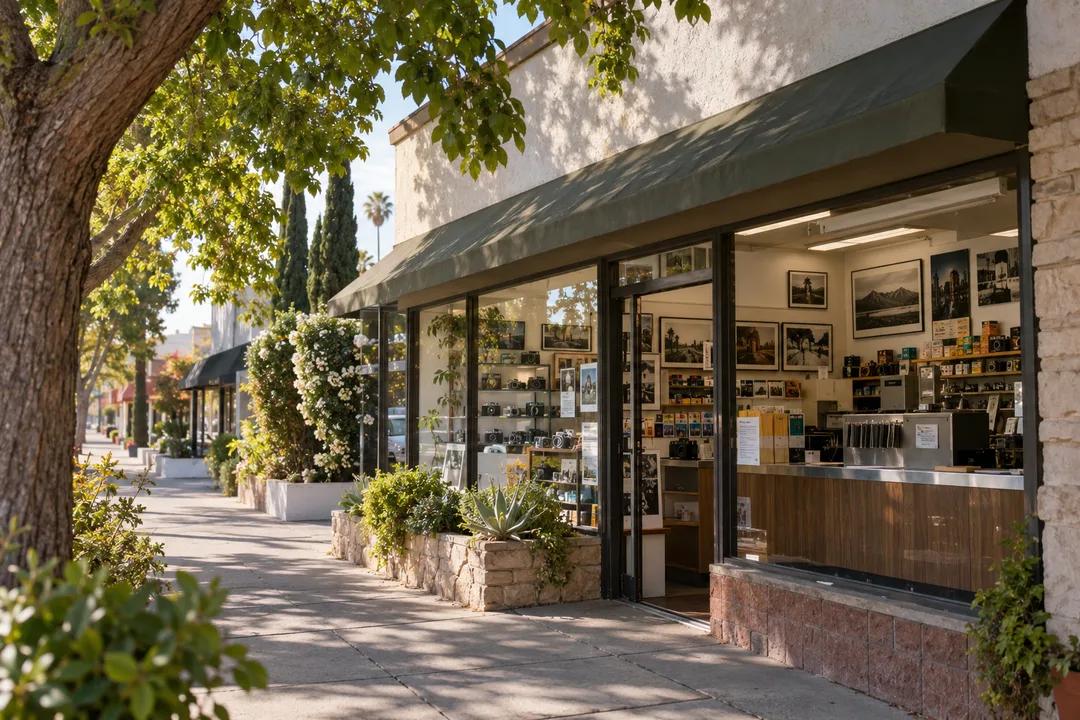
Valley Photo Service at 12466 Magnolia Boulevard develops and scans film in Valley Village. Plan a careful drop-off before five with your receipt ready.
Valley Photo Service is the neighborhood film lab for Valley Village photographers who prefer a small Magnolia Boulevard errand and an optical-photo conversation.
Start With The Roll And The Result
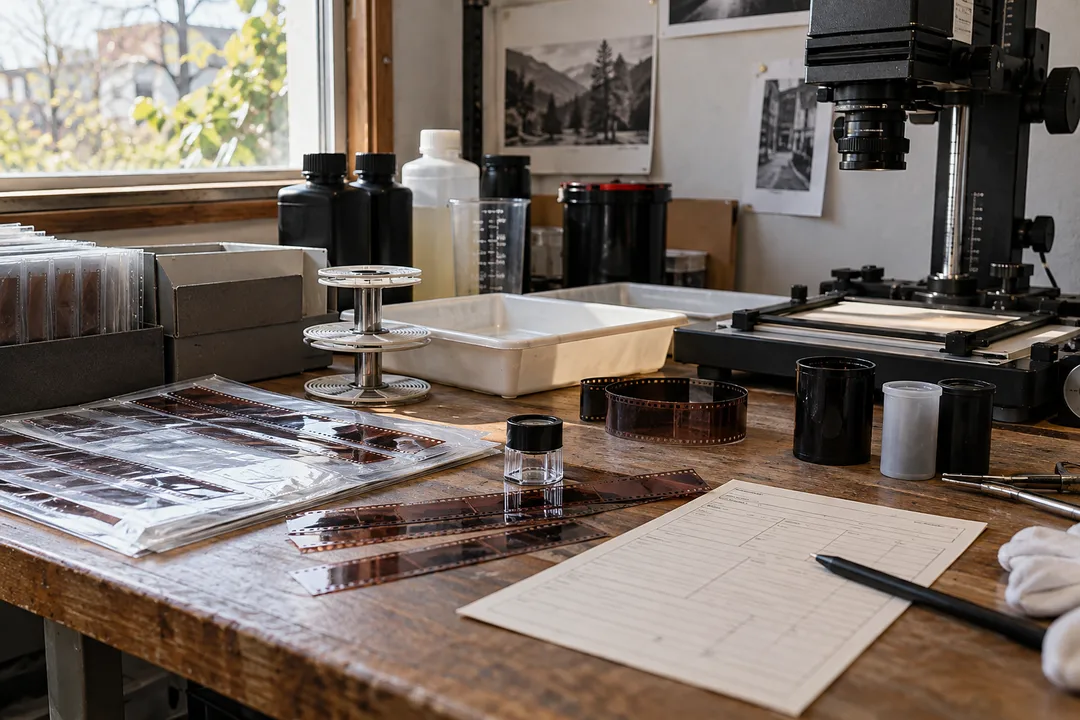
Valley Photo Service is a Magnolia Boulevard errand for photographers who prefer a neighborhood counter. At 12466 Magnolia Blvd, start by naming the format, roll count, and desired result. If you want developing and scans, say both, if the negatives matter most, ask how they will be returned. Optical photo work rewards a careful handoff, so bring the canister and write your email clearly. The small act of listing each roll keeps a family archive, a school assignment, or a personal project from becoming one anonymous envelope on the pickup shelf.
Separate Chemistry From Scans
A practical film order separates the material from the destination. Tell the staff whether the image is for a small web proof, a portfolio, a print, or an archive. Mention 35mm or 120, and identify color or black-and-white if you know it. If a roll has uncertain labeling, bring it rather than guessing from memory. Valley Photo Service is most useful when the counter can match the physical negative to a clear request. Write down the chosen output and keep that note with the receipt until the files arrive.
Make The Counter Handoff Easy
Valley Village timing is straightforward because the published schedule is Monday through Friday 9 am to 5 pm, Saturday 10 am to 2 pm, and Sunday closed. Arrive with the paperwork ready, especially on Saturday when the window is shorter. Do not block the counter while searching for a phone number or old order email. Step aside, confirm the name on the receipt, and ask one follow-up. A quiet morning is the best moment for a technical question, a late weekday drop is better when the job is already decided.
Why The Lab Matters
Neighborhood labs matter to people who want continuity. A student can ask about sleeves and storage, a parent can bring an old roll, and an experienced photographer can discuss a repeat workflow without turning the visit into a showroom tour. Valley Photo Service connects developing, scanning, and optical-photo care in one local stop. The story is practical rather than theatrical: material arrives, choices are recorded, and the finished work returns to a person who knows where it came from. That continuity is why labeling is worth the extra minute.
Choose The Output On Purpose
One honest skip is ordering every available output before seeing the first result. Start with the file or print that answers your immediate question, then decide whether the rest of the roll needs another treatment. A small proof can reveal whether the exposure, crop, or contrast serves the project. If the image will be enlarged, explain that use and ask what scan scale makes sense. The best choice is the one that helps the next step. A bigger file is not automatically a better decision for a small family archive.
Walk The Neighborhood Carefully
Magnolia Boulevard is easy to pair with a short neighborhood route, but finished film should not sit in a hot trunk. Carry the envelope, choose shade, and make the walk practical: a coffee, an archival-supply stop, or a direct return home. Use the pause to record the camera and date in your archive notebook. Valley Village rewards a slower errand because the route can end at home before the material is exposed to heat or forgotten in a car.
Keep A Deadline Backup
Save (818) 763-4466 with the job details and use the published hours when planning pickup. If the photographer has a deadline, say it at intake and ask what the stated process allows. A Saturday visit has a 2 pm closing point, so do not treat it as a full weekday. If you miss the window, return during Monday–Friday 9 am–5 pm or Saturday 10 am–2 pm with the receipt. The reliable backup is a new visit, not a guessed turnaround written on the envelope.
Practical Notes
Practical Notes: Valley Photo Service is at 12466 Magnolia Blvd, Valley Village, CA 91607. The official website is valleyphotoservice.com, the listed phone is (818) 763-4466. Published hours are Monday through Friday 9 am to 5 pm, Saturday 10 am to 2 pm, Sunday closed. Keep exposed film light-tight, note the camera and subject, and retain the receipt through pickup. Karpo APP can arrange a Valley Village route and a backup stop, the lab handles the physical order and payment. Make the Magnolia stop repeatable by numbering rolls before leaving home, recording the camera and date, and filing the receipt with the archive note. The routine matters when a family collection or student project returns months later. Valley Village photographers can make one local drop-off into a repeatable archive routine. Number each roll at home, record the camera and date, and place the receipt in the same notebook every time. That small habit matters when a family collection grows or a student project returns months later. After pickup, store negatives in archival sleeves and keep them out of direct heat, do not stack them under heavy books. If you share scans with a collaborator, send the roll list with the folder so image names retain context. A neighborhood lab works because the trip is easy to repeat: the same Magnolia Boulevard address, the same short briefing, and the same careful ride home. Use Karpo APP to remember the route and any nearby stop, but let your own notebook remember the images. Planning stays convenient while the archive stays personal. A measured routine is more valuable than a dramatic promise, especially when the photographs will outlive the day they were dropped off. A repeatable notebook is especially helpful for family archives. Record who shot the roll, where it traveled, and which scans were shared, then keep that note with the sleeves after pickup. Add the camera and weather when you can; those details often explain a frame better than a later caption. A local routine works because it is easy to repeat, and each careful visit leaves the next one clearer.
Ask Karpo for more information.
Keep reading
- Burbank Film Memorabilia Collector Shop Walk: Studio Stash
 Pasadena Film Memorabilia Collector Shop Walk: Classic Route
 Silver Lake Film Memorabilia Collector Shop Walk: Indie Lore