 Burbank Film Memorabilia Collector Shop Walk: Studio Stash
Hidden Gems & Odd Finds
The Icon Film Lab Miracle Mile: Large-Format Scans
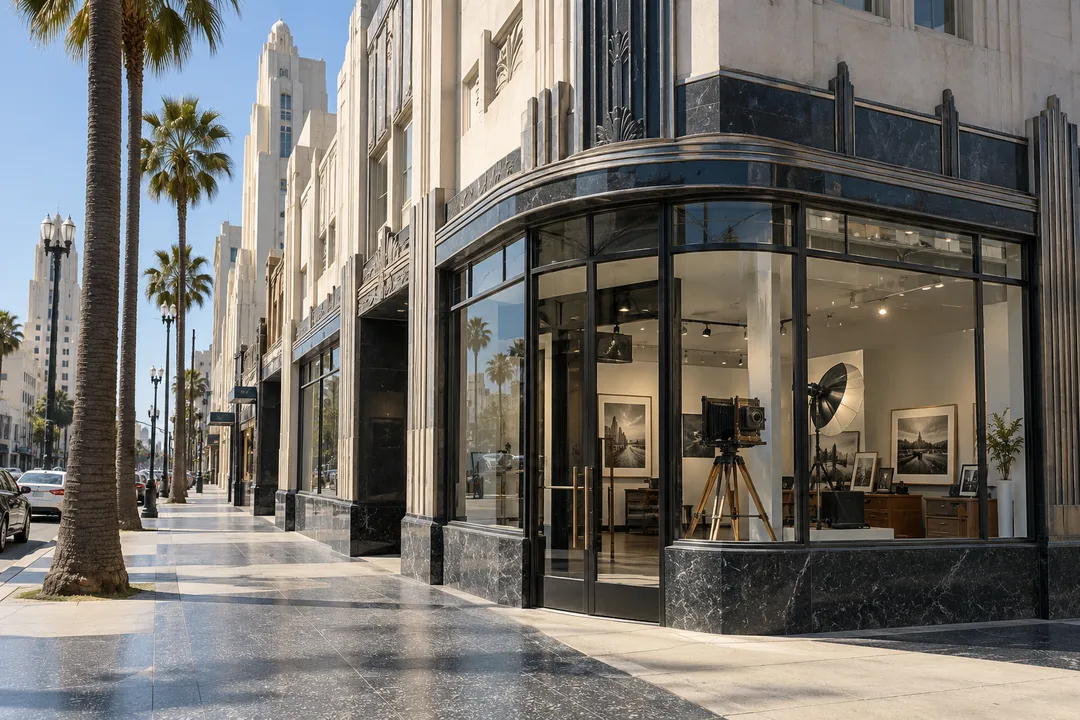
The Icon Photo Lab at 5450 Wilshire Boulevard offers large-format scans and professional printing. Choose your output before arrival in Miracle Mile.
The Icon Film Lab serves Miracle Mile photographers who need a professional conversation about large-format negatives, scanning scale, and the final print.
Start With The Roll And The Result
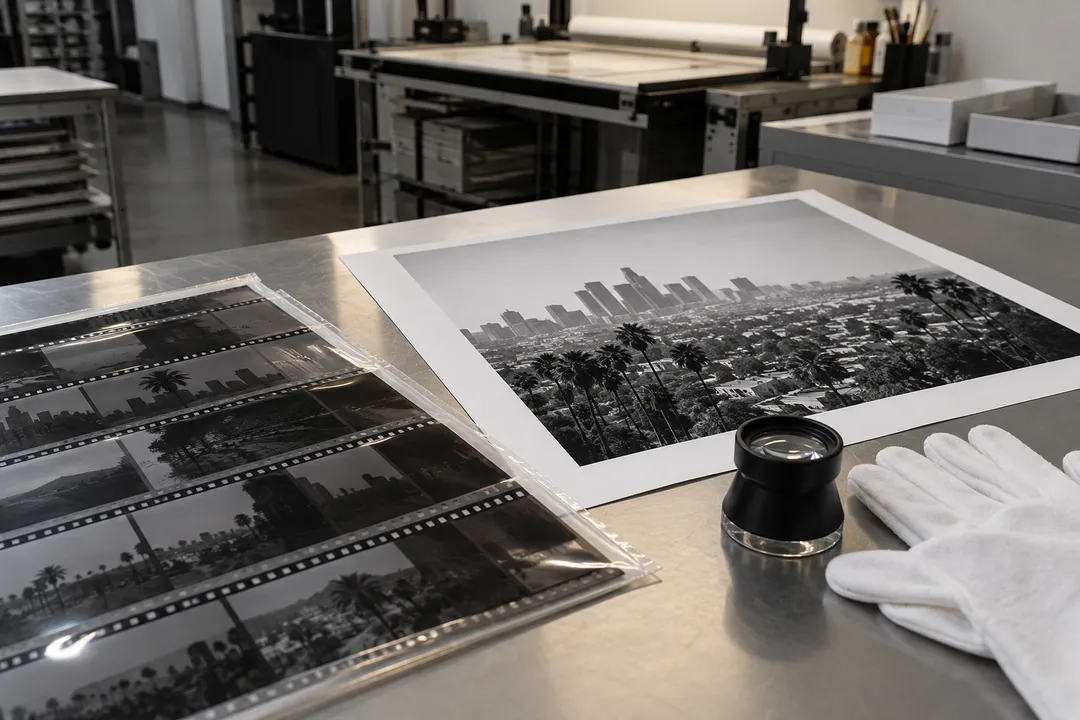
The Icon Film Lab begins with a professional question: what does the negative need to become? At 5450 Wilshire Blvd, describe the format, the number of frames or sheets, and the final destination—proofing, a portfolio, an exhibition print, or an archive. Large-format work deserves a precise handoff because the physical original is valuable and the output decision can change the entire budget. Write the contact details twice, once on the order and once in your notebook. A prepared brief makes a specialist counter more useful than a broad request for a 'good scan.'
Separate Chemistry From Scans
Large-format film rewards patience at the intake desk. Ask how the lab wants the sheets or holders protected, how scans will be delivered, and what file dimensions fit the project. If you are comparing a digital proof with a print, name the viewing context. A gallery wall and a phone screen do not ask the same question of a negative. Keep any cropping instruction separate from color or tonal preference. The cleanest order is one where the lab can see the material, the requested result, and the deadline without decoding a long paragraph.
Make The Counter Handoff Easy
Miracle Mile errands are easier when the appointment question is settled before travel. The published schedule is Monday through Friday 9 am to 5 pm, Saturday by appointment, and Sunday closed. If Saturday is your only window, call ahead using (323) 935-2200 and place the request in writing. During weekday intake, keep the counter conversation focused on one project. Do not leave a large-format original in a hot vehicle while you walk Wilshire. The practical rule is transport first, neighborhood browsing second.
Why The Lab Matters
The Icon fits photographers who think about the final surface as much as the negative. A professional scan is not the same thing as an exhibition print, and a print consultation may ask about paper, scale, and viewing distance. Bring a reference if the tone matters, but avoid promising a result the lab has not described. The useful story is a chain of decisions: careful original, accurate capture, then a physical or digital destination. That chain keeps the photographer from paying for an output that does not serve the project.
Choose The Output On Purpose
Skip the largest file when your next step is a small proof. Choose a higher-resolution scan when the image will be cropped, retouched, or printed at a meaningful size. If you are undecided, ask what the practical difference is in delivery and storage. One test frame can answer more than a dramatic adjective. At The Icon Film Lab, the right output is the one that respects both the original and the reason you made the exposure. A clear brief also lets the staff flag a mismatch before the work begins.
Walk The Neighborhood Carefully
Miracle Mile offers an easy after-drop route if you keep it compact. Carry the film with you, stay out of direct heat, and choose one nearby coffee, gallery, or museum stop rather than a long cross-city loop. A photographer can use that pause to write an archive note: camera, date, subject, and intended print. Then return home and store the material properly. The neighborhood walk should extend the project without turning delicate originals into luggage left in a car.
Keep A Deadline Backup
For a time-sensitive job, phone (323) 935-2200 and explain the format before quoting a date. The Friday 5 pm closing time matters, and Saturday service is by appointment. A backup is to move the intake to a weekday instead of assuming a weekend door will be open. Keep the receipt and the written instructions together. If the final output changes, record that change before the lab starts, a late surprise is harder to solve than a clear first conversation.
Practical Notes
Practical Notes: The Icon Film Lab is at 5450 Wilshire Blvd, Los Angeles, CA 90036. The official website is iconla.com, the listed phone is (323) 935-2200, and published hours are Monday through Friday 9 am to 5 pm, Saturday by appointment, Sunday closed. Protect large-format material in a rigid sleeve, keep the order note with the negatives, and retain the receipt. Karpo APP can organize a Miracle Mile route, but intake, pricing, and delivery are handled by the lab. Large-format work needs a transport plan as well as a scan plan. Use a rigid folder, number the sheets, and keep the project brief with the receipt. A file is more useful when its name still points back to the original negative and intended print. Professional large-format work benefits from a chain-of-custody note. Number each sheet, use a rigid folder, and keep the project brief with the receipt. Write the intended print surface or viewing distance beside the scan request, because a gallery wall and a phone screen demand different files. If several people share the project, use a neutral sheet identifier rather than private names on the public-facing envelope. When the scan arrives, check the filenames against the sheet list before sending a preview. Store the original holders away from pressure and direct sun. The Icon Film Lab is most helpful when the photographer arrives ready to discuss the final surface, the lab can explain what a scan or print needs, while the photographer supplies the purpose. That division makes a complicated job feel orderly. A short Miracle Mile route, a cool transport case, and a written output choice protect the original from the moment it leaves the camera bag. Keep a client-facing preview separate from the original sheet list. The project stays easier to audit when every delivered file can be traced to a numbered negative and a written output request. Put the final print size beside the filename, then keep a second copy of the sheet list with the delivered files. That simple duplicate prevents a polished preview from losing its connection to the original.
Ask Karpo for more information.
Keep reading
- Burbank Film Memorabilia Collector Shop Walk: Studio Stash
 Pasadena Film Memorabilia Collector Shop Walk: Classic Route
 Silver Lake Film Memorabilia Collector Shop Walk: Indie Lore