 Burbank Film Memorabilia Collector Shop Walk: Studio Stash
Hidden Gems & Odd Finds
Gold Photo Lab Film Lab Hollywood: 35mm Scans
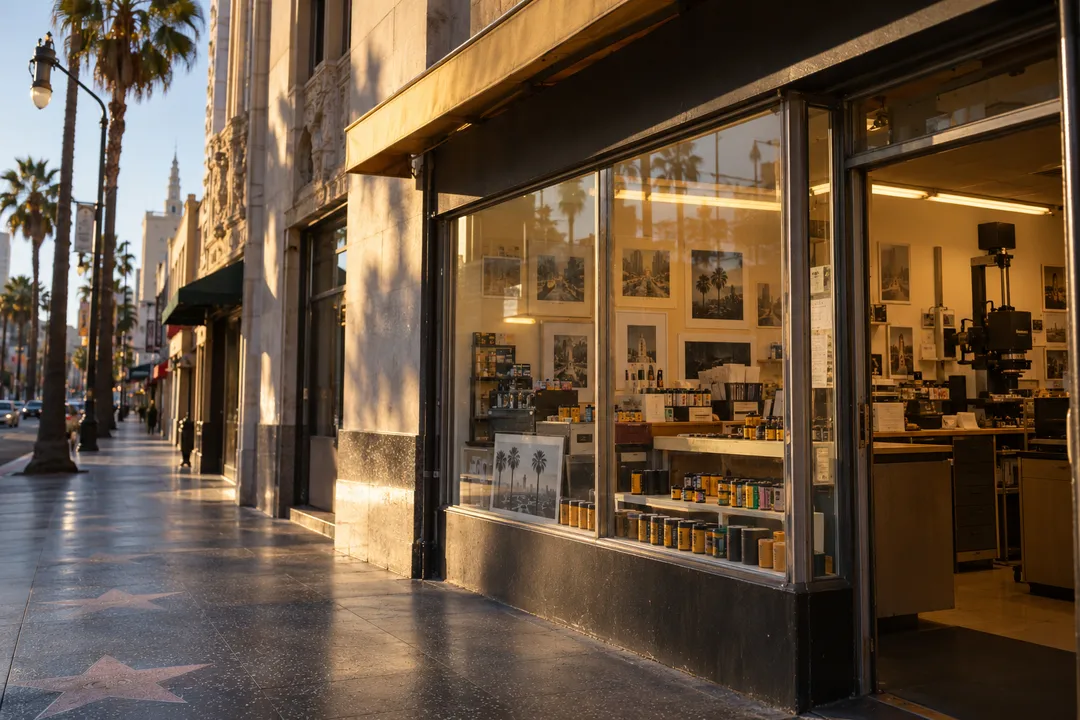
Gold Photo Lab at 6418 Hollywood Boulevard handles 35mm and 120 film with developing and scans. Plan your drop-off, then walk Hollywood with the receipt.
Gold Photo Lab is the Hollywood Boulevard film lab for photographers who want a personal counter handoff and a clear path from exposed roll to usable file.
Start With The Roll And The Result
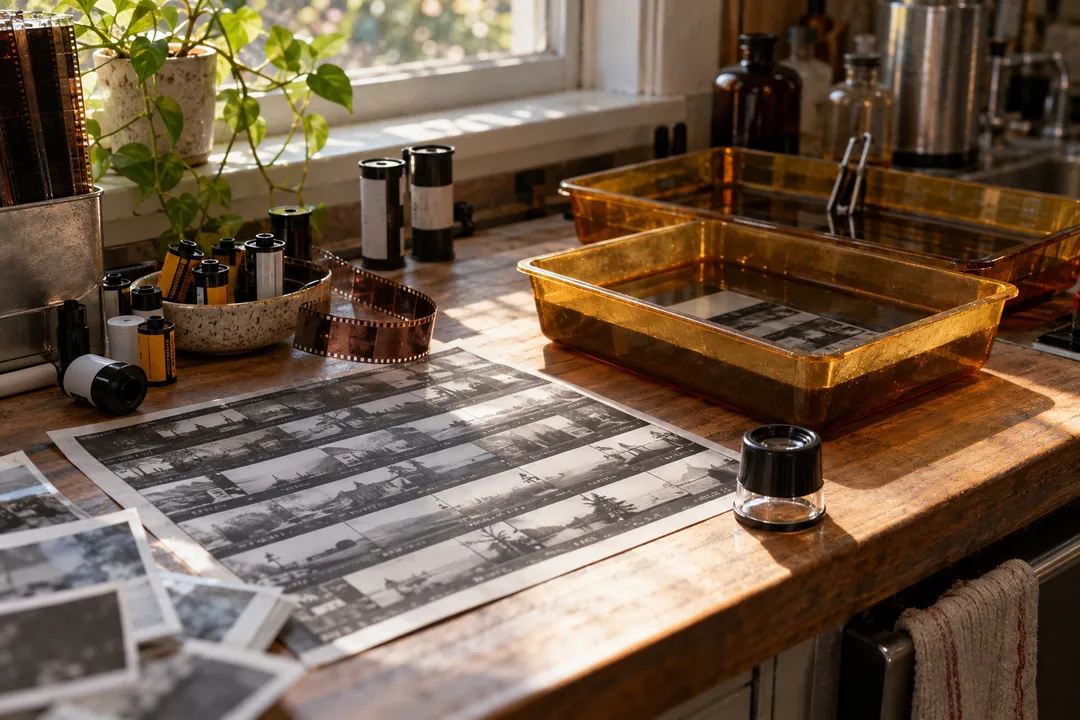
Gold Photo Lab gives a Hollywood shooter a practical first sentence: explain the film format, the number of rolls, and whether the result is a scan, a print, or developing with negatives returned. The counter at 6418 Hollywood Blvd is easier to use when those choices are written down before arrival. A single 35mm roll can be described in one breath; a box of family negatives deserves a slower inventory. Put your email and phone on the order slip, then keep the receipt somewhere separate from the camera bag. The lab visit starts with paperwork because the paper is what reconnects you to the images later.
Separate Chemistry From Scans
The best comparison is between output paths, not between vague promises of quality. Ask what file size matches your use: a quick edit, a portfolio crop, an archival folder, or a print. Keep the negative-return question visible. If you are shooting 120, say so before the envelope is labeled; medium-format handling can change the job flow. Color and black-and-white are different conversations as well. The useful habit is to repeat the final request back to the technician, including roll count and delivery method, so a rushed pickup does not become a second visit.
Make The Counter Handoff Easy
Hollywood queues are easiest when you arrive with the small details settled. Write the stock name if you know it, mark any push or pull request, and say whether the film has been exposed. If you are unsure, say that instead of guessing. Step aside after the roll is accepted so the next photographer can reach the counter. A weekday morning gives you room for a technical question; a late-day drop works when you already understand the service. The quiet etiquette is simple: protect the line, protect the film, and let the staff ask the next useful question.
Why The Lab Matters
A working lab becomes part of a photographer's routine through dependable explanations. Gold Photo Lab is useful for the person moving from a disposable camera to a repeatable workflow, and for the experienced shooter who wants one place to discuss scans and prints. Bring a previous file on your phone only as a reference for size or contrast; do not expect a screen comparison to replace the negative. The counter conversation should end with one written choice. That note is more valuable than a dramatic promise because it can be checked when the files arrive.
Choose The Output On Purpose
Skip the oversized scan simply because it sounds professional. If the photographs are destined for a small online edit, ask which lower tier is sufficient. If they will be cropped heavily or printed, explain that use and let the technician identify the sensible file. The same restraint applies to prints: order a test before a whole series. A clear purpose prevents an expensive mismatch. Gold Photo Lab is strongest when the photographer arrives with an outcome in mind and leaves with a receipt that names the work, rather than a vague request for the biggest option.
Walk The Neighborhood Carefully
After drop-off, make Hollywood Boulevard the boundary of the walk. Keep the film in shade, skip a hot parked car, and choose a nearby coffee or camera-related stop only if it fits the return route. The point is to preserve the handoff, not to turn one roll into an afternoon of errands. If the weather is warm, go home and label your archive while the scene is fresh. A small note about the date, camera, and subject will matter more in six months than a second attraction squeezed into the route.
Keep A Deadline Backup
The posted schedule is Monday through Friday 9 am to 6 pm, Saturday 10 am to 4 pm, and Sunday closed. Save (323) 466-2222 with the order note so a follow-up question stays attached to the right lab. If a deadline is real, say it at drop-off and ask what turnaround the requested service supports. Do not write a date on the envelope and assume it is a promise. The useful backup is a clear conversation, a receipt, and a willingness to return during the published hours if the lab needs one more detail.
Practical Notes
Practical Notes: Gold Photo Lab is at 6418 Hollywood Blvd, Los Angeles, CA 90028. Its official website is goldphotolab.com. The listed phone is (323) 466-2222, and the published hours are Monday through Friday 9 am to 6 pm; Saturday 10 am to 4 pm; Sunday closed. Bring exposed film in a light-tight container, keep the receipt until the scans and negatives are accounted for, and carry finished work home in shade. Karpo APP can hold the route and the next stop; the lab counter remains where the order is placed. Number the Hollywood rolls in a notebook and note the camera beside each one. That paper trail makes the eventual files easier to identify than a folder full of anonymous scans. Keep the receipt flat and shaded, then compare filenames with the roll list before editing. A Hollywood roll often carries more context than its frame count suggests. Before leaving, write the date, camera, lens, and subject in the same order each time. If you shot a portrait session, use a private identifier in your notebook rather than a full name on a shared receipt. If you photographed a street, record the weather and the block. Those details turn a scan folder into an archive. Store the negatives upright in sleeves when they return, and keep the first contact sheet beside the roll list. If a file arrives with a generic name, rename it only after matching the frame count and date. This is where a local film lab becomes part of a long practice: the counter handles chemistry and scanning, while the photographer handles memory. The receipt is the bridge. Keep it until every requested roll is visible, then store the paper with the archive note. A short Karpo APP reminder can mark the route, but the notebook should hold the private context that makes the photographs meaningful.
Ask Karpo for more information.
Keep reading
- Burbank Film Memorabilia Collector Shop Walk: Studio Stash
 Pasadena Film Memorabilia Collector Shop Walk: Classic Route
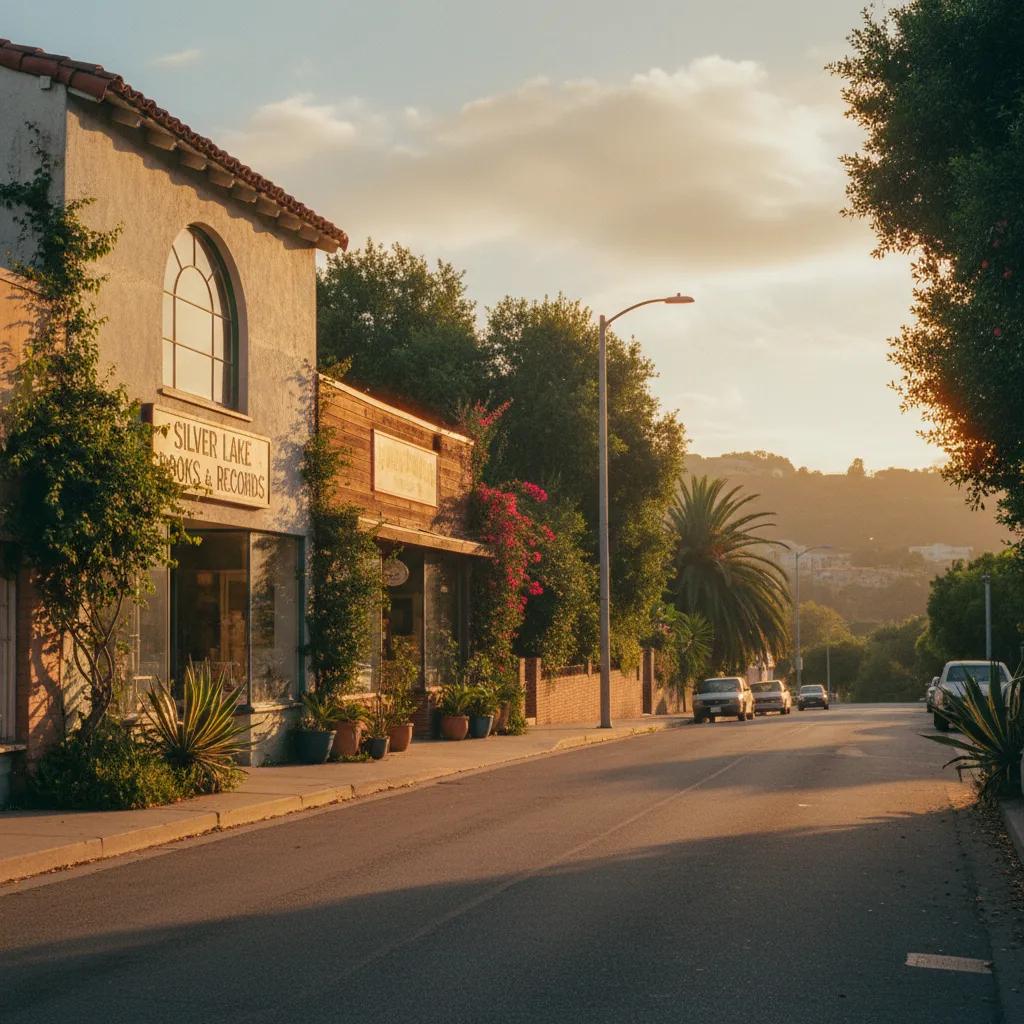 Silver Lake Film Memorabilia Collector Shop Walk: Indie Lore