 Santa Monica French Dip Sandwich Lunch Picker by Ocean
Restaurants
Filipino Restaurant Near Me: Kuya Lord's Southern Tagalog Table
A Melrose Hill guide to Kuya Lord, Chef Lord Maynard Llera's intimate Southern Tagalog restaurant built around shareable Filipino plates.
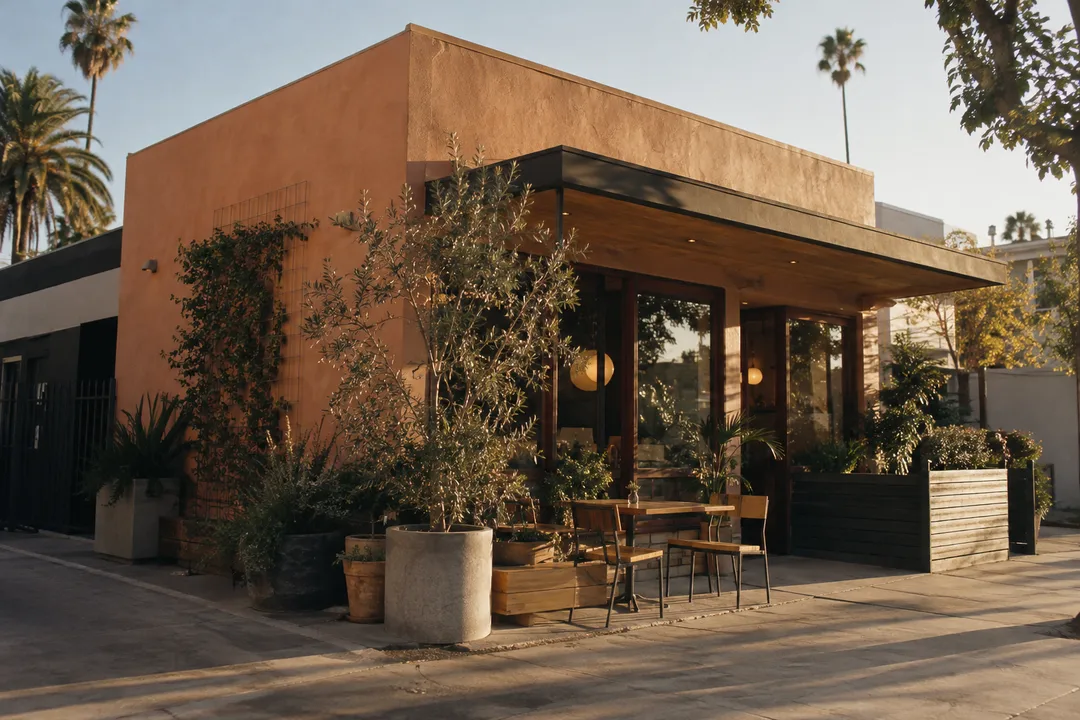
A Filipino restaurant near me search in Los Angeles can end at a small Melrose Hill room with a very clear point of view. Kuya Lord is Chef Lord Maynard Llera's Southern Tagalog restaurant, and the meal feels more like a conversation with one cook than a tour of every Filipino classic. The useful mindset is to arrive curious, order for the table, and let the kitchen's balance of sour, salty, grilled, and slow-cooked flavors lead.
Kuya Lord's story starts before the storefront. Llera's cooking grew through a pandemic-era garage pop-up and carries the food memory of Lucena City in Quezon Province. That history matters at the table because the dishes are not presented as generic comfort food. They have a Southern Tagalog accent, with bright vinegar, pork, seafood, vegetables, and rice working together rather than appearing as isolated items on a checklist.
The address is 5003 Melrose Avenue, close to the Melrose and Western intersection. Driving is possible, but this is a place where a little arrival planning helps: street parking can take patience, and the nearby Bank of America lot at 4975 Melrose is useful only under its posted after-hours conditions. Save the address before leaving, check the day's service window, and do not assume an old review has the current parking answer.
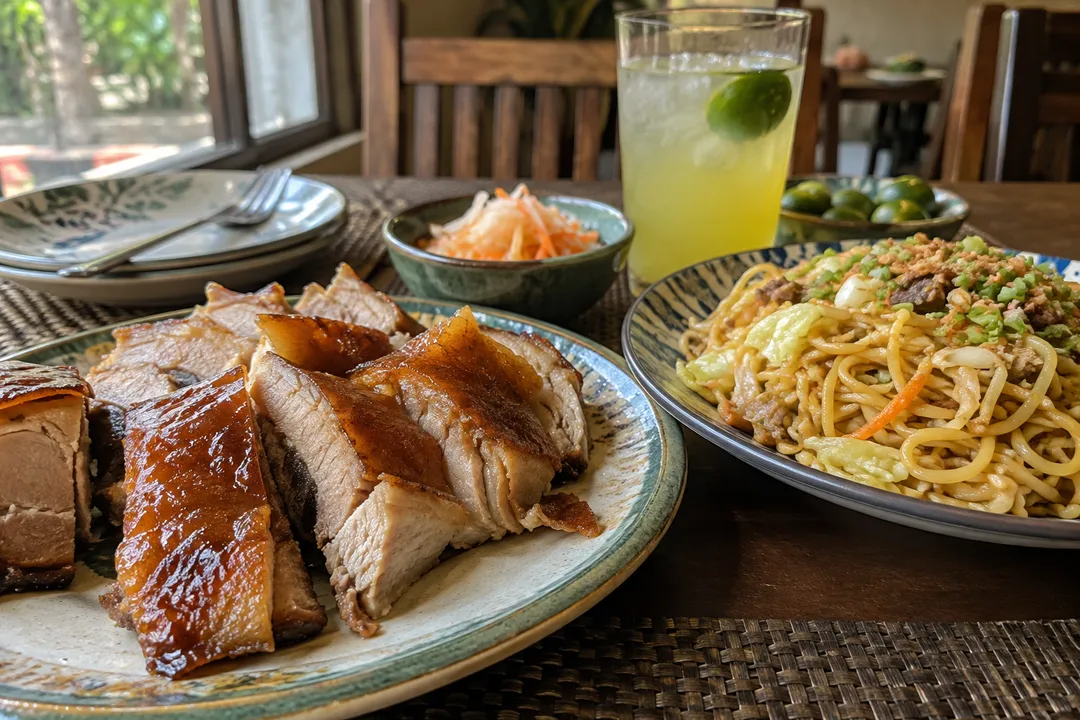
Start with lucenachon or the two-cooked pork belly if you want the restaurant's most direct statement. A reasonable planning range is $20-$25, though the board and portion can change. The pork is best with rice and something sharp alongside it, not eaten as a heavy bite by itself. Ask whether the kitchen recommends extra vinegar, achara, or another bright accent for the particular preparation being served.
Pancit chami makes a useful second order because it changes the texture of the meal. Budget about $21-$24 for the dish, then share it while the noodles are still lively. The chewy strands and savory sauce give a table a slower, more communal rhythm than a solo entree. For takeout, ask how the sauce is packed and whether the noodles should be reheated separately from any crisp garnish.
When hiramasa collar appears on the board, a table of three or more can treat it as the evening's center. Plan around $22-$28 and listen to the staff's guidance on size, timing, and accompaniments. Fish availability is one reason not to build a rigid order before arriving. A good server can tell you what came in, what is moving quickly, and which preparation will hold up best for sharing.
Laing, achara, and a fresh vegetable side keep the meal from turning into a parade of richness. Expect roughly $12-$16 for that supporting part of the order. The point is contrast: a sour bite, a leafy texture, or a little heat can make the pork and noodles easier to understand. For first-time diners, put the approachable dish in the center and let the more assertive flavors sit beside it.
Leave room for calamansi drinks, a rotating Filipino dessert, or the family-style Kuya Tray when the menu offers it. A flexible dessert budget is about $6-$32 because the choice can range from a simple drink to a larger shared finish. Ask what travels well before ordering to-go. Coconut, ube, shaved ice, and chilled sweets can change quickly in a hot car or a sealed container.
The room is compact and the service windows are limited, so timing is part of the experience. The 28-seat scale can make a popular service feel full before the food arrives. Two diners should aim for the first part of service or a quieter weekday opening. Larger groups should call or reserve if that option is available, arrive together, and decide on a first plate before everyone is seated.
The house rules are simple but worth following. Share the larger plates from the middle, ask before changing a sauce, and tell the staff about allergies before ordering. Fish sauce, shrimp paste, soy, egg, shellfish, and shared fryers may not be obvious from a short dish name. Clear questions are more useful than guessing, especially when a table includes children or diners new to Filipino food.
Kuya Lord feels warm, close, and chef-led, with the food doing most of the decorating. Watch the way regulars use the room: some arrive for a quick plate, others order several dishes and linger over rice. That mix explains why the restaurant can work for a weekday meal, a family gathering, or a first introduction to Southern Tagalog cooking. The small scale rewards attention to the people working the counter.
Llera's Culinary Institute of America training sits alongside the restaurant's more personal origin story. The result is a menu that can move from familiar fried pork to a more delicate seafood or vegetable preparation without losing its center. Ask where a dish comes from or how it is usually eaten. One thoughtful answer can make the meal feel less like a list of names and more like a living food tradition.
After eating, keep the neighborhood walk short and local. Melrose Hill murals, Larchmont Village, and the shops along Melrose give you enough to do without turning a meal into a long commute. A few blocks of walking also make the restaurant's setting easier to read: this is a busy Los Angeles corridor of small businesses, apartments, offices, and errands, not an isolated dining destination.
Practical notes: confirm the current menu, service window, and prices on the day you go. Order ahead when possible, bring a little flexibility, and ask how a dish should be packed if you are taking it home. Kuya Lord suits diners who want a compact, chef-driven Southern Tagalog meal and are willing to share, ask questions, and let the available dishes shape the evening.
Ask Karpo for more information.
Keep reading
- Santa Monica French Dip Sandwich Lunch Picker by Ocean
 Echo Park French Dip Sandwich Lunch Picker Around Noon
 Silver Lake French Dip Sandwich Lunch Picker on Hillsides