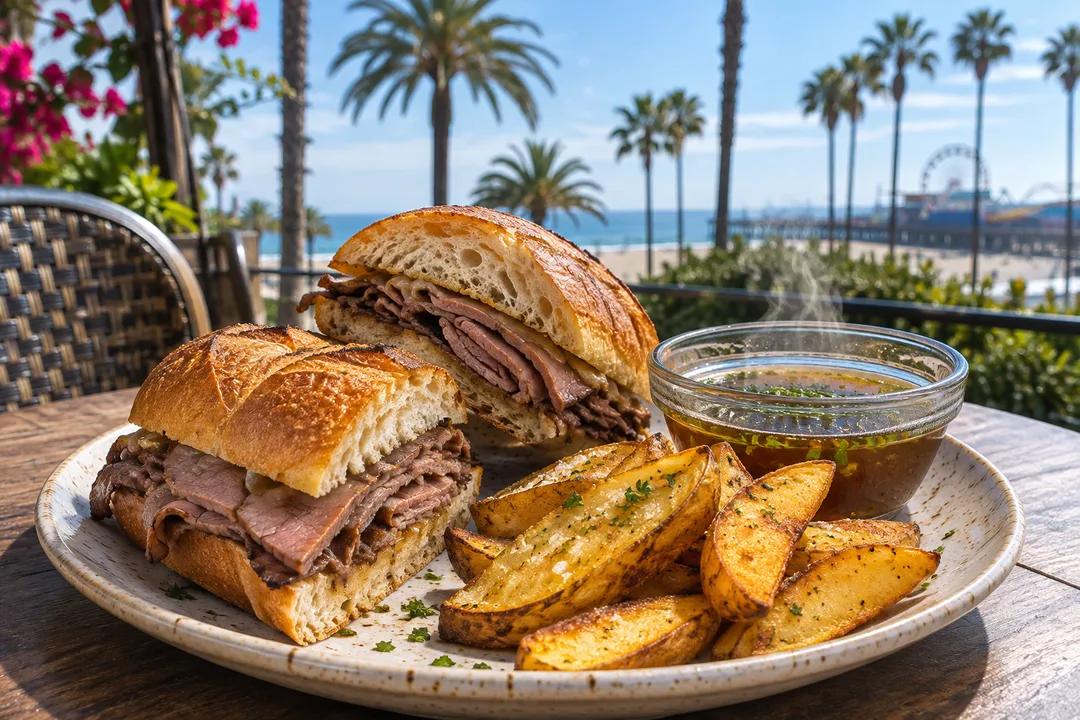
 Santa Monica French Dip Sandwich Lunch Picker by Ocean
Restaurants
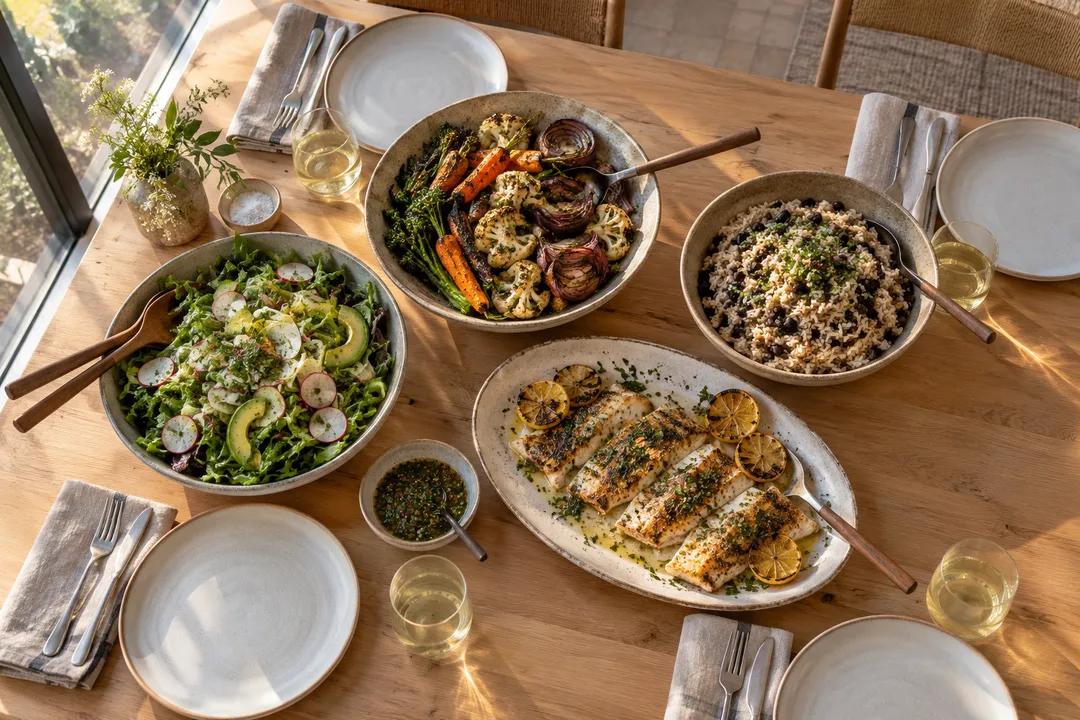
LA Dinner Shortlist Builder: Four Diets, One Happy Table
For mixed diets in LA, start with a full meal for each diner. Give Karpo APP the restrictions and compare dinner ideas without guessing ingredients.
A dinner shortlist builder in LA earns its place when the table contains several different ideas of a satisfying meal. One friend wants a substantial vegetarian dinner, another avoids dairy, and a third would like fish. Searching by cuisine alone can hide those differences. Start with what each person needs to eat, then narrow the location and atmosphere. Open Karpo APP with that brief and ask for a few dinner ideas you can compare, keeping ingredient questions separate from general preferences.
Give each diner a real dinner
A useful first question is what someone would actually order. A restaurant can offer a vegetarian side without offering a vegetarian meal. Write down whether each person needs an individual main, enjoys assembling several smaller dishes, or prefers a shared spread. This changes the comparison immediately. A table that wants separate plates should not be steered toward an elaborate sharing menu simply because the restaurant describes itself as flexible. The shortlist should explain the meal available to each diner, rather than count menu labels.
Ask everyone for one positive preference as well as any exclusion. A dairy-free diner might love grilled vegetables and rice, while a vegetarian friend might prefer noodles and mushrooms. Those details give dinner some character. Otherwise, the whole conversation becomes a list of ingredients to remove. For this hypothetical table, the objective is three appealing meals with enough common ground for a relaxed evening. It is perfectly reasonable for the dishes to come from different parts of the same menu.
Separate an allergy from a dislike
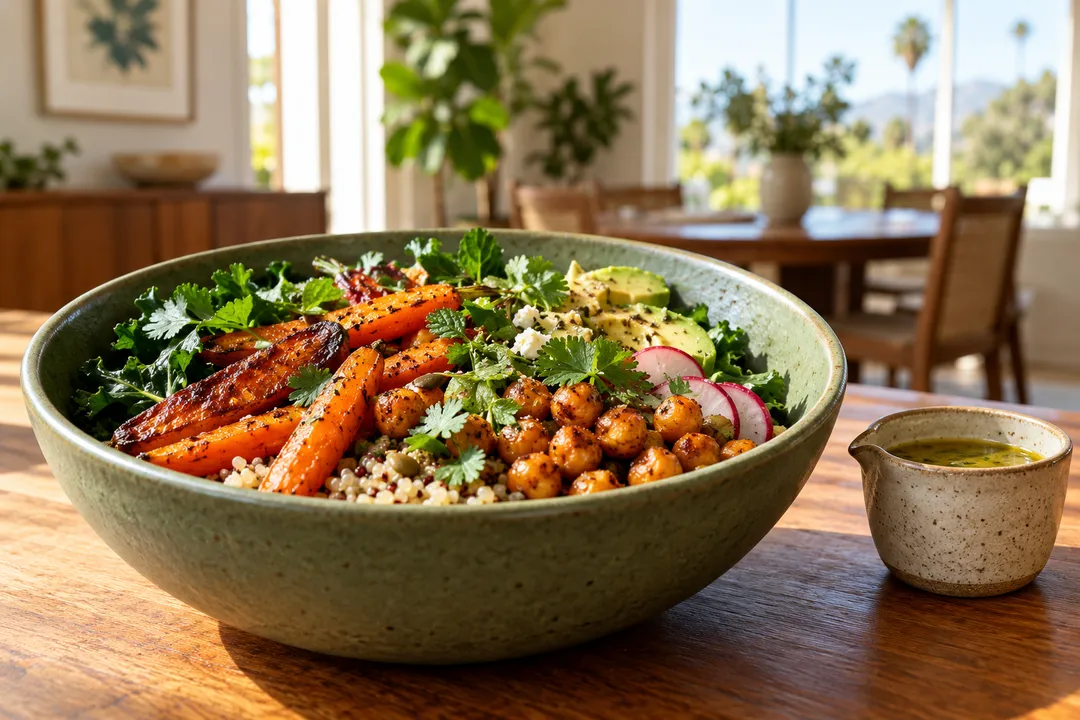
An allergy, a religious requirement, a personal preference, and a temporary craving do different jobs in a dinner brief. Describe each accurately. Do not let an attractive photograph or a familiar cuisine stand in for a kitchen's answer about ingredients and handling. If a diner has an allergy, ask the restaurant directly about the specific dish and the precautions that diner requires. A recommendation is a starting point for that conversation, and a menu label alone does not settle it.
You do not need to disclose someone else's medical history to write a useful request. With their permission, include the restriction and the questions that matter for the meal. For example, a person might need an ingredient excluded and want to discuss shared equipment with staff. Let that person decide whether the answer is sufficient. The organizer's role is to carry the requirement accurately, not to interpret risk on behalf of another guest or turn a tentative suggestion into a safety promise.
Make the LA area small enough to use
Location needs the same specificity as food. In an example centered on Los Feliz, say whether the table wants to remain in that neighborhood or is happy considering nearby areas. Give each person's arrival method and their tolerance for another trip after work. Avoid treating all of Los Angeles as one convenient search radius. You are setting an acceptable meeting area, not making a claim about how long any particular drive will take on the night.
A geographic compromise also has a human cost. The diner with the strictest food requirement should not automatically become the person who travels farthest. Compare both burdens together. If one option offers a much clearer meal for everyone but requires a different meeting point, present that tradeoff plainly. If a group member needs step-free access or a particular seating arrangement, include it before the location is chosen. Getting the area right early prevents an otherwise promising shortlist from becoming unusable at the final step.
Write a prompt that invites comparison
Try this in Karpo APP: "Suggest a small dinner shortlist for four adults around Los Feliz. One person is vegetarian and wants a full main, one avoids dairy, and two eat fish and meat. We want separate plates, conversation, and a comfortable total spend. Explain a plausible meal for each person and flag ingredient questions that need a restaurant answer." Add your actual date, preferred start, and spending limit when you know them. The details above are an example, not a report about a particular restaurant.
The most useful response format is compact enough to discuss. Ask for a reason each suggestion belongs, an outline of how the different diners could eat, and any unanswered question that could eliminate it. You can then ask a focused follow-up about one weak point. Resist requesting a huge directory. Ten places with no clear meal for the vegetarian guest create more work than three thoughtfully explained possibilities. The purpose is to expose the fit of each option, including where the evidence is incomplete.
Read across dishes rather than cuisine names
When you review a menu, follow ingredients through the whole proposed meal. A vegetable dish can contain a dairy-based dressing, and a seemingly simple soup can have a stock that matters to a diner. Conversely, a menu without a prominent dietary category might still describe a suitable dish clearly. Read what the restaurant actually says. If the meal depends on removing several essential elements, it may be less satisfying than a dish designed around ingredients that already fit.
Think about how the order will reach the table. Shared dips, sauces, and serving utensils deserve attention when guests have different restrictions. Separate plates can make the plan easier to understand, but they do not establish anything about kitchen preparation. Ask for individual portions when that suits the table, and let diners handle their own ingredient questions. A good comparison distinguishes the social format of dinner from the factual question of what the restaurant can prepare for a particular person.
Choose a fallback that preserves the essentials
A second choice is valuable when it protects the same important needs. It should not be a nearby restaurant where one guest can only eat bread. Keep the nonnegotiable meal requirements intact and vary something easier, such as cuisine or decor. For example, the group might prefer a patio but accept indoor seating to keep a substantial dairy-free main. That is a visible compromise everyone can understand. Do not silently relax a restriction just to produce a tidy list of alternatives.
If none of the suggestions works, change one variable deliberately. Expand the meeting area, move the meal to a different time, or choose a simpler dining format. Tell Karpo which part failed so the next request carries the lesson forward. "The vegetarian meal is too small" is a useful correction. "Try again" leaves the actual problem hidden. You can also bring a restaurant you already know into the discussion and compare it against the same requirements instead of restarting from an empty page.
Practical notes for the person organizing
Before proposing a final choice, write one short message that names the dinner, meeting area, expected spending approach, and the question each diner still needs answered. A hypothetical shortlist is not a reservation, and an illustrative dish in this article is not a verified menu item. Use the restaurant's own menu and booking channel for the specific meal you choose. If someone has contacted staff, preserve their exact answer rather than paraphrasing it into a broader promise about the entire kitchen.
The end point is a table where everybody can picture enjoying dinner. In Karpo APP, finish your request with the two or three constraints you refuse to trade away and the one preference you can bend. That gives the conversation a clear next move. Once the group selects a candidate, assign the booking or direct enquiry to one person and share the actual outcome. A concise shortlist has done its job when it makes that human decision easier and leaves the remaining factual questions visible.
Ask Karpo for more information.
Keep reading
- Santa Monica French Dip Sandwich Lunch Picker by Ocean
 Echo Park French Dip Sandwich Lunch Picker Around Noon
 Silver Lake French Dip Sandwich Lunch Picker on Hillsides