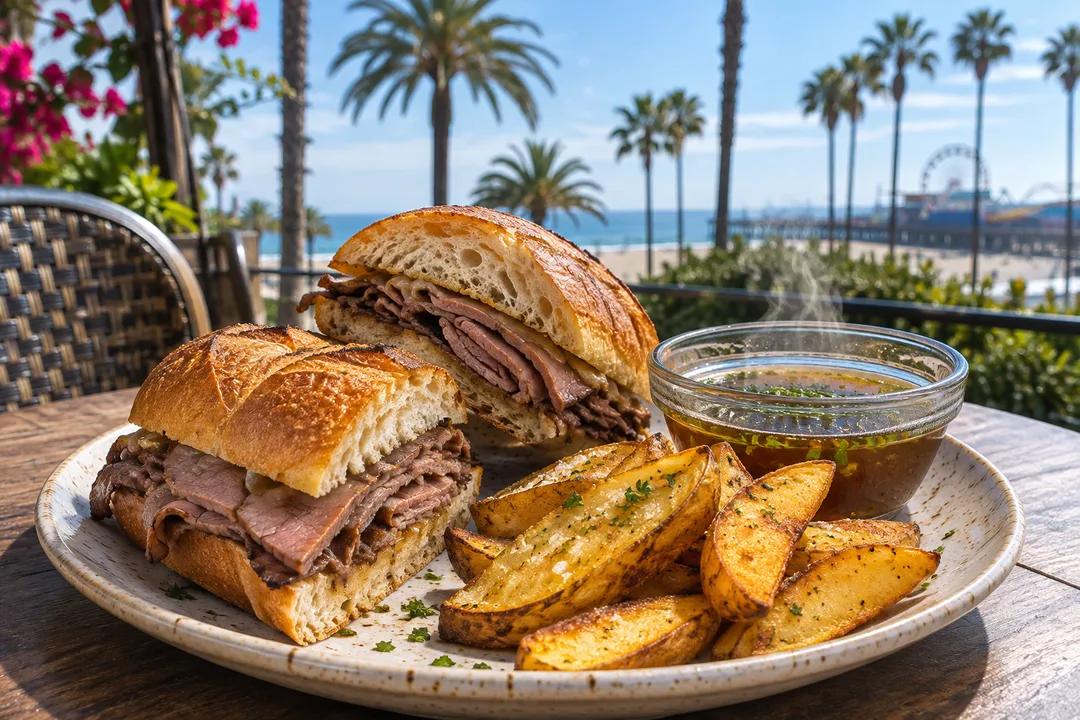
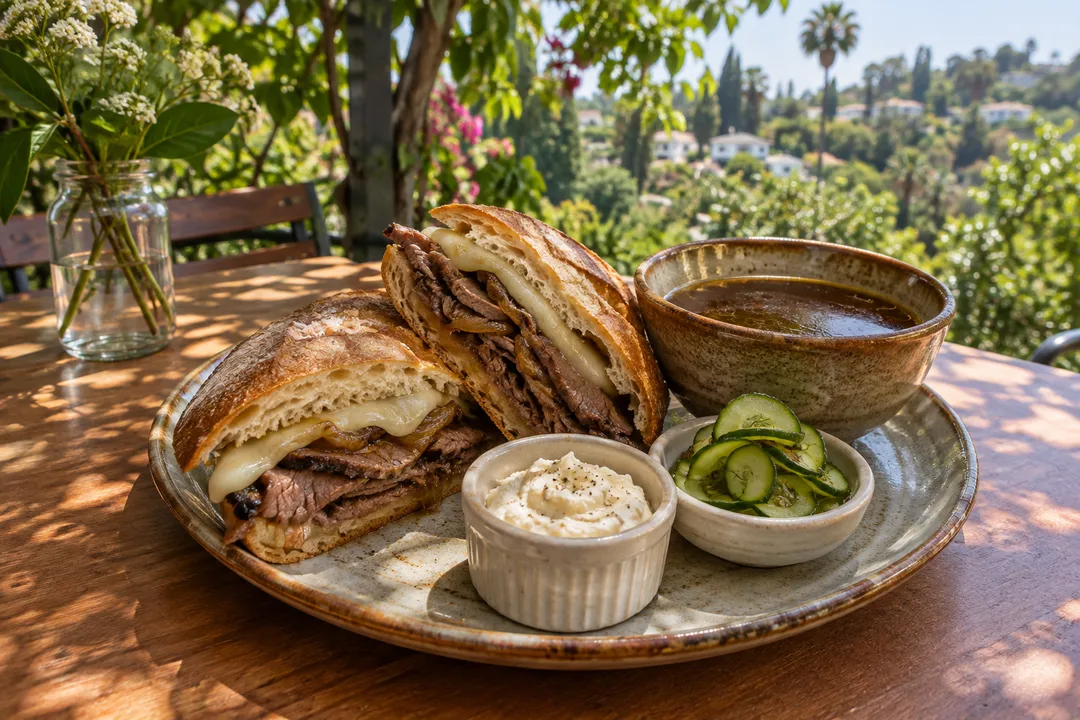
 Santa Monica French Dip Sandwich Lunch Picker by Ocean
Restaurants
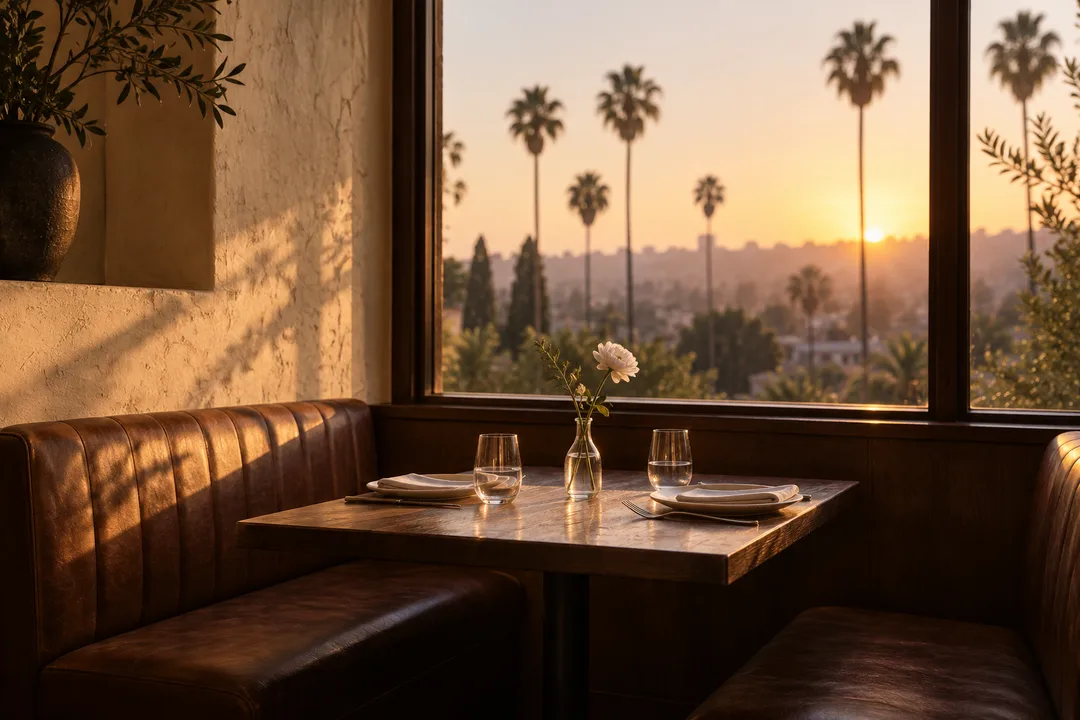
LA Dinner Shortlist Builder: Two People, One Date Brief
Turn an LA date-night mood into dinner criteria both people can use. Ask Karpo APP for ideas around conversation, comfort and a clear evening plan.
"Somewhere nice" can mean a quiet booth, a lively room, a familiar dish, or simply an evening that feels considered. An LA dinner shortlist builder becomes useful for date night when you turn that mood into criteria both people understand. Open Karpo APP with the kind of evening you want, the area you can comfortably reach, and the choices you would like help comparing. Start with two people's comfort rather than a list of impressive restaurants that might suit neither of you.
What do you want the conversation to feel like?
Choose an emotional direction before choosing a cuisine. A first date might call for an easy conversation with a natural stopping point. A reunion after a busy week might deserve an unhurried meal without another event afterward. An anniversary could be about a particular food you both enjoy. These are different briefs. The word "romantic" is too broad to carry them all, and it can lead to expensive or theatrical suggestions when what you wanted was a relaxed place to talk.
Describe the room through your needs rather than through fashionable adjectives. Do you want to sit opposite one another or side by side? Would a busy atmosphere make the evening feel sociable, or make it harder to listen? Is an outdoor setting appealing, or would you prefer the certainty of an indoor table? You can request these characteristics, but a suggestion does not establish the seating arrangement you will receive. Treat the desired setting as a selection criterion and ask the venue about any specific requirement.
How much structure feels comfortable?
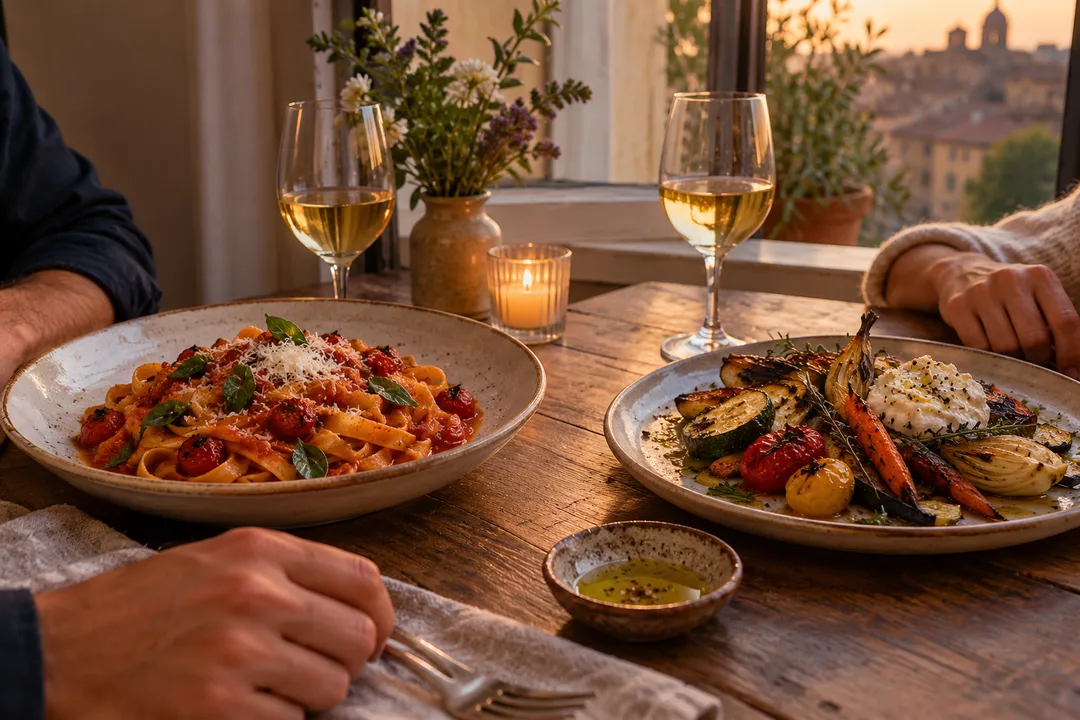
A dinner can be the whole date or one part of it. Decide which version you want before adding a second location. A meal followed by an optional walk leaves different choices from dinner before a fixed performance. Neither is inherently more thoughtful. For a first meeting, a self-contained dinner can make the invitation easier to understand. For two people who already know each other well, a longer plan may be welcome. Let the relationship and both people's energy determine the shape of the evening.
Avoid making the optional part sound compulsory. You might say that you would enjoy a walk afterward if you both feel like it, while keeping dinner complete on its own. That phrasing preserves an easy ending without treating it as a failure. If an additional activity needs a ticket or a separate booking, discuss it explicitly. A shortlist should help you choose an evening, not quietly commit your companion to a sequence of purchases or to staying out longer than they expected.
Which facts should you ask your date directly?
Food preferences, spending comfort, and access needs are better understood through a short conversation than through guesswork. You can ask whether they would enjoy trying something unfamiliar or prefer a cuisine they already like. If you are treating them, make that clear without turning the invitation into a performance. If you are splitting, agree on a comfortable approach. The goal is to remove avoidable ambiguity while keeping enough space for the date to feel like an experience rather than a planning meeting.
A surprise works most comfortably when the essentials are already settled. You can keep the restaurant name as a surprise while sharing the neighborhood, expected dress, meal style, and spending arrangement. You should not surprise someone with an inaccessible setting, a menu that does not suit them, or a long trip they did not anticipate. Thoughtfulness often comes from the details you ask about. The shortlist can preserve the enjoyable reveal without making another person's comfort depend on your assumptions.
How can a vague mood become a useful request?
Imagine that you want dinner around Silver Lake, with enough atmosphere to feel different from an ordinary weeknight but enough calm to enjoy a conversation. This is a hypothetical scenario, not a description of a particular venue. You might prioritize a comfortable meal, a manageable journey for both people, and a dining format that allows individual choices. Those criteria are more useful than asking for the most romantic restaurant in all of LA. They also give you a fair basis for rejecting an appealing but unsuitable suggestion.
Try a message like this in Karpo APP: "Help me narrow date-night dinner ideas around Silver Lake. We want a relaxed conversation and a meal that feels thoughtful without a formal tasting format. We will share our dietary needs and comfortable spending limit. Compare a few directions and explain what each would do well for this evening. Keep any unconfirmed restaurant details separate from our preferences." Add the actual date and timing you have agreed on. You are requesting ideas, not making a reservation by sending that message.
What makes two options worth comparing?
Choose alternatives that offer different kinds of evening. One could emphasize a familiar menu and an easy meeting point. Another might offer a more adventurous meal with a setting you both find appealing. A third could keep dinner simple and leave room for an optional activity afterward. These are planning directions, not verified descriptions of restaurants. When specific candidates enter the conversation, judge them against the criteria you already chose rather than allowing every new photograph to rewrite the brief.
Ask yourself what would disappoint you about each option. If the whole appeal depends on a particular table, establish whether that seating is actually available through the venue's own process. If conversation matters most, look for evidence relevant to that need rather than assuming dim lighting means quiet. If a certain dish is the attraction, use the restaurant's menu to establish that it is offered. Naming the fragile part of a plan helps you choose something you can enjoy without one uncertain detail carrying the entire date.
When should you offer your companion a choice?
Presenting two well-explained options can feel more considerate than asking the other person to search from scratch. Give each a short reason: one is easier to reach, the other better matches the food you discussed. Ask which direction sounds more appealing. This invites participation without handing over all the work. Avoid presenting a favorite as the only serious choice while offering an obviously unsuitable alternative. A useful invitation gives your companion a genuine way to shape the evening.
If they say either option sounds good, you can choose using the shared priorities instead of reopening the search. If they hesitate, ask about the specific feature that is not working. They may dislike the formality, the travel, or the menu rather than the idea of dinner itself. Carry that answer into your next conversation with Karpo. A precise adjustment keeps the plan personal. It is much easier to improve an invitation when you understand what the other person would enjoy changing.
Practical notes before sending the invitation
Once you have selected the restaurant, use its own booking channel and retain the actual confirmation. State the meeting place and time clearly, along with any agreed plan after dinner. If a reservation request is still awaiting a response, keep that distinction visible. A recommendation does not hold a table, and a special request is not fulfilled until the venue accepts it. These small distinctions let you be confident about the arrangement you actually have, without promising your companion an experience that remains uncertain.
Finish by returning to the mood you wanted at the beginning. Does this plan give both of you room to talk, eat comfortably, and enjoy being together? If it does, the search has reached a useful stopping point. Open Karpo APP with your shared criteria and ask for help narrowing dinner ideas, then make the final choice together or take the lead within what you have agreed. A thoughtful date does not require the longest shortlist. It requires a plan that recognizes the two people who will be there.
Ask Karpo for more information.
Keep reading
- Santa Monica French Dip Sandwich Lunch Picker by Ocean
 Echo Park French Dip Sandwich Lunch Picker Around Noon
 Silver Lake French Dip Sandwich Lunch Picker on Hillsides