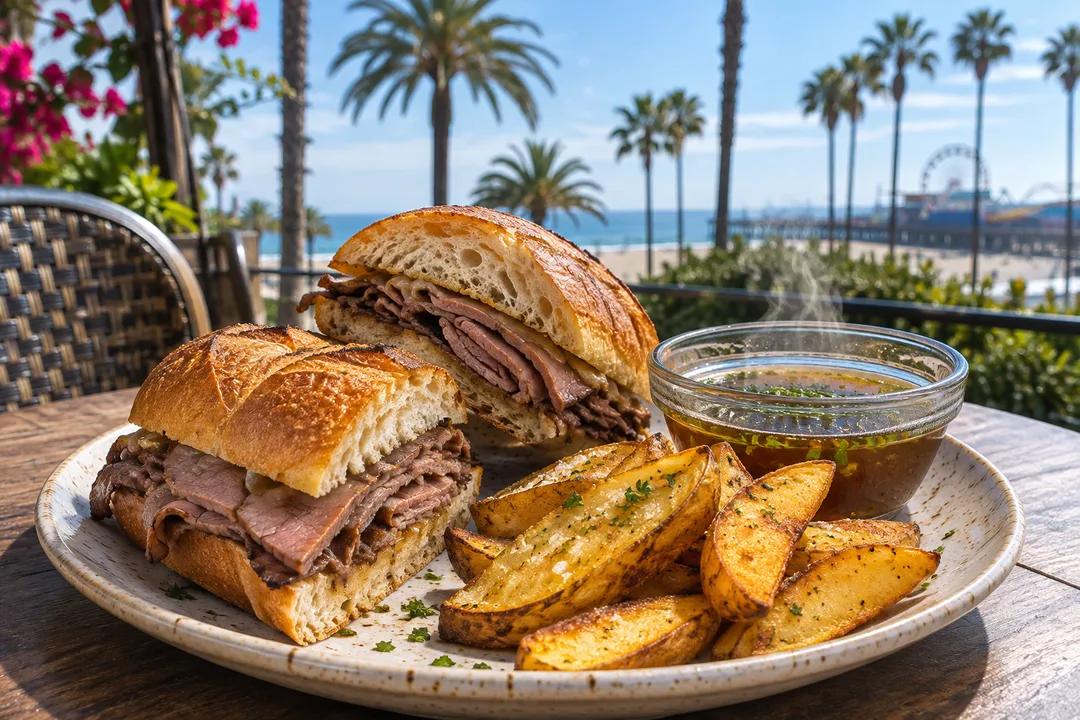
 Santa Monica French Dip Sandwich Lunch Picker by Ocean
Restaurants
LA Dinner Reservation Finder: A Garden Table for Two
A Beverly Hills dinner reservation finder helps compare garden seating, arrival needs and menu fit for two before you use the restaurant's booking channel.
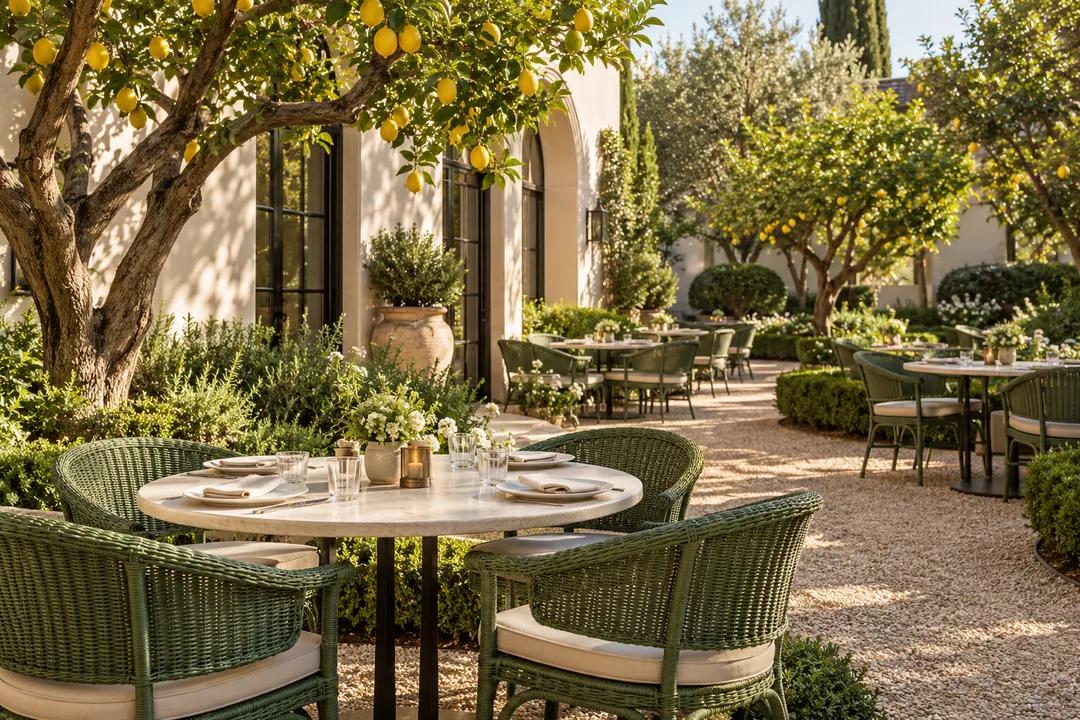
A Beverly Hills patio dinner begins with a choice about what being outdoors means to you. A planted courtyard, a terrace above the street and a pavement table offer different evenings. Use a dinner reservation finder to describe the experience you want, then compare the practical details behind the photographs. In the Karpo APP, ask for suggestions for two people with garden seating as a preference and valet access as a question to resolve. Neither a recommendation nor an attractive patio image establishes that a particular outdoor table can be reserved.
Decide what earns the word garden
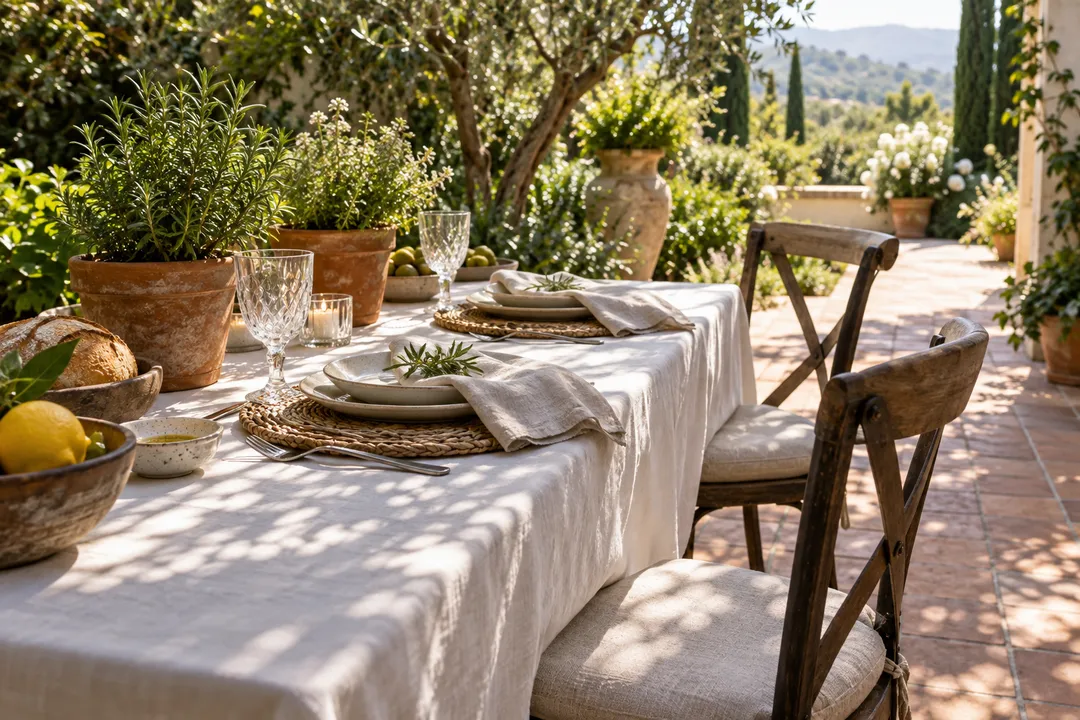
Picture the part of the evening that makes the outdoor setting worthwhile. Perhaps you want trees overhead and a place where conversation carries easily. Perhaps fresh air matters more than greenery, or your companion wants a dining chair with a back rather than a low lounge seat. Describe these separately. A restaurant can have a lush entrance without serving dinner in that space, and a covered courtyard can feel quite different from an exposed terrace. Your request should identify where you want to eat, not simply how you want the entrance to look.
Give Karpo a brief with a date, two diners, an approximate meal window and the reason for choosing Beverly Hills. Add whether a screened courtyard would satisfy the outdoor preference and whether you can accept an indoor alternative. Ask for a small set of candidates with explanations tied to the garden requirement. If the material behind a suggestion only shows an outdoor area without describing dinner service there, keep that detail unresolved. A shorter shortlist with explicit unknowns is easier to act on than an expansive list built from decorative photographs.
Make the arrival part of the dining choice
Valet access matters for different reasons. One diner may dislike searching for parking, while another needs a short and manageable route from the vehicle to the table. Say which problem you are solving. A valet stand alone does not establish step-free access, a sheltered waiting area or assistance with a mobility aid. Distinguish the vehicle handoff from the restaurant entrance and the final approach to the patio. If access is essential, direct questions to the venue about that complete journey rather than treating a parking label as an accessibility assessment.
Compare the arrival plan for both people. If you travel together, allow space in your schedule for handing over and retrieving the car. If you meet separately, choose an identifiable meeting point that does not depend on both diners locating the same outdoor gate. Ask about the arrangement for the date you intend to visit, including any parking charge and where it is paid. No amount belongs in your budget as a published fact until it comes from the operator. A clear arrival plan also prevents one person waiting alone at the wrong entrance.
Separate the outdoor request from the reservation
Booking a table for two and securing the garden location are separate outcomes. A booking form might offer a patio category, accept a seating note or provide no way to specify an area. Read the actual category selected before proceeding. A free-text request for the garden is useful communication, but it does not have the same meaning as a reservation explicitly assigned to that area. Keep a record of the distinction so you and your companion know whether you are choosing a guaranteed location or expressing a preference.
Shade and shelter deserve equal attention. Consider whether direct sun, a breeze or a cooler evening would change the meal for either diner. Ask the restaurant what happens to outdoor bookings when it cannot use the patio and whether an indoor move is possible. This is a specific question about the booking you are considering, not a prediction about weather or a promise that another table will exist. Decide in advance whether you would still enjoy dinner inside. If the answer is no, the cancellation terms become central to the choice.
Choose a menu that suits the length of the evening
A garden setting can encourage a long meal, but that does not mean you need a tasting menu or several rounds of drinks. Tell Karpo whether you imagine a main course each, shared dishes or a longer celebration. Include dietary preferences and how much ordering flexibility you want. Compare actual menu information when it is available rather than assuming every candidate offers light patio food. For an allergy, speak with the restaurant about preparation and handling. A pleasing dining atmosphere cannot substitute for a suitable and safe meal.
Use your own spending ceiling to define the request, with drinks, parking and any service charges included in the way you think about the total. You do not need to invent a typical Beverly Hills dinner price to make this useful. One candidate may have a menu that allows individual ordering, while another may require a set experience. Those are different commitments. Ask for the ordering format and relevant published terms to be distinguished from any estimate, then decide which option leaves you comfortable throughout the evening.
Compare two tradeoffs before picking a favorite
Put the strongest two candidates beside each other and describe the compromise in a single sentence for each. A greener courtyard might involve a longer approach from the entrance. Another dining room might make arrival easier while leaving outdoor seating as a request. Let your non-negotiable requirement settle that comparison. If your companion needs a manageable walking route, convenience can reasonably outweigh dense planting. If the garden is the purpose of a special outing, a dependable outdoor category may matter more than a particular cuisine.
Keep an alternative that changes one meaningful variable. It might be a sheltered outdoor space instead of a fully exposed garden, or a different dinner time instead of a different neighborhood. Avoid building a fallback that repeats the same unresolved seating problem. You can return to the conversation in Karpo with the information you receive from a restaurant and ask how it changes the comparison. That refinement is planning support. It does not mean the APP has obtained a table, verified a valet service or reserved your chosen area.
Carry a clear request into the booking channel
When you are ready, use the restaurant's own booking route to establish the date, guest count, selected dining area and any financial commitment. Read the cancellation and late-arrival conditions before accepting them. Send a concise follow-up when a seating or access question remains: two diners, the intended date, garden dining requested, and the particular arrival requirement. Keeping the message specific gives the venue something answerable. You need the restaurant's response to know whether the proposal works for your evening.
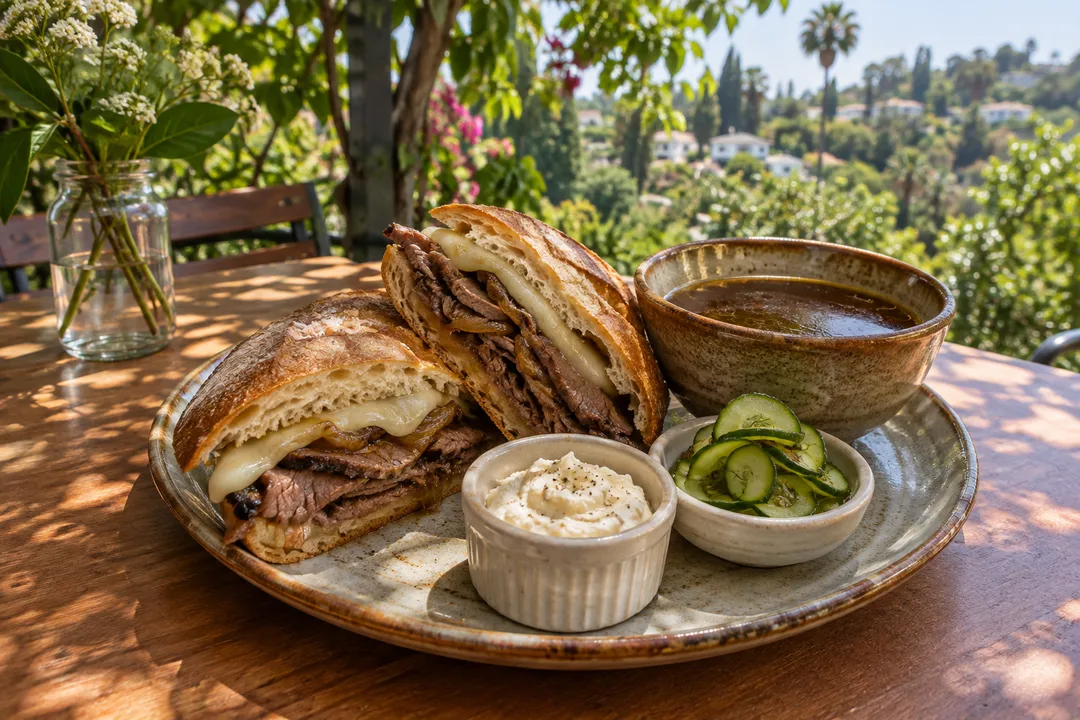
Before leaving, share the accepted plan with your companion: meeting location, intended meal time, transport arrangement and the status of the patio request. Include the indoor alternative only if you both agreed to it. The generated pictures on this page illustrate garden dining choices and do not identify a real restaurant or demonstrate its access arrangements. Start with your own priorities in the Karpo APP, narrow the options to a dinner you would both enjoy, and let the venue's booking confirmation define what has actually been arranged.
Ask Karpo for more information.
Keep reading
- Santa Monica French Dip Sandwich Lunch Picker by Ocean
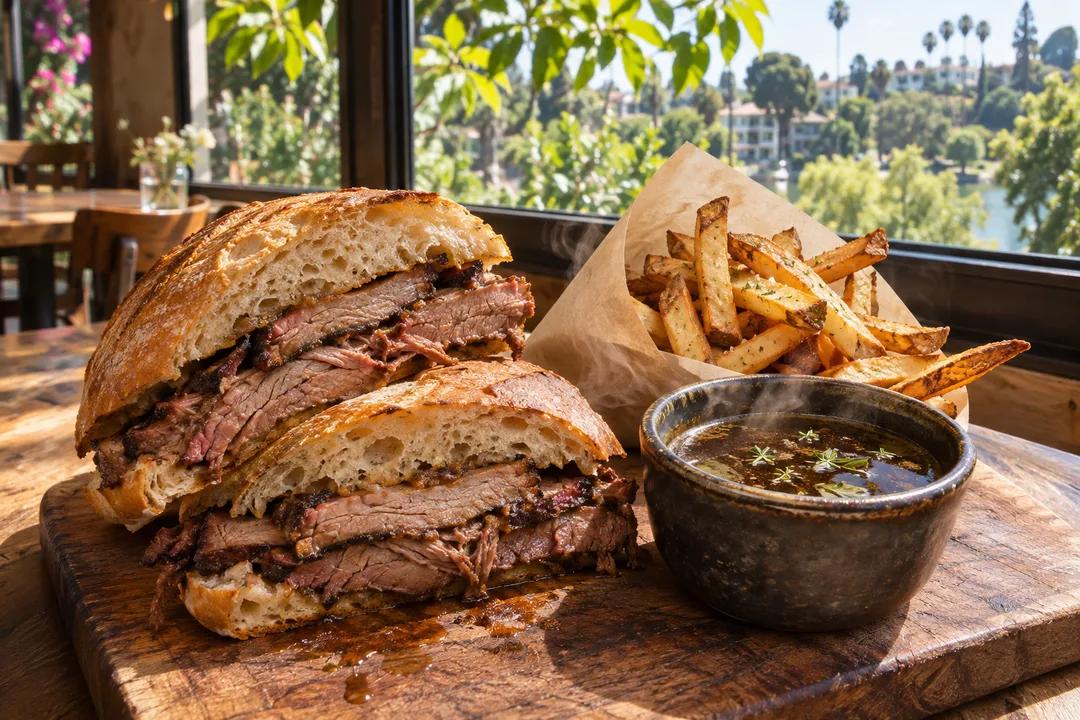 Echo Park French Dip Sandwich Lunch Picker Around Noon
 Silver Lake French Dip Sandwich Lunch Picker on Hillsides