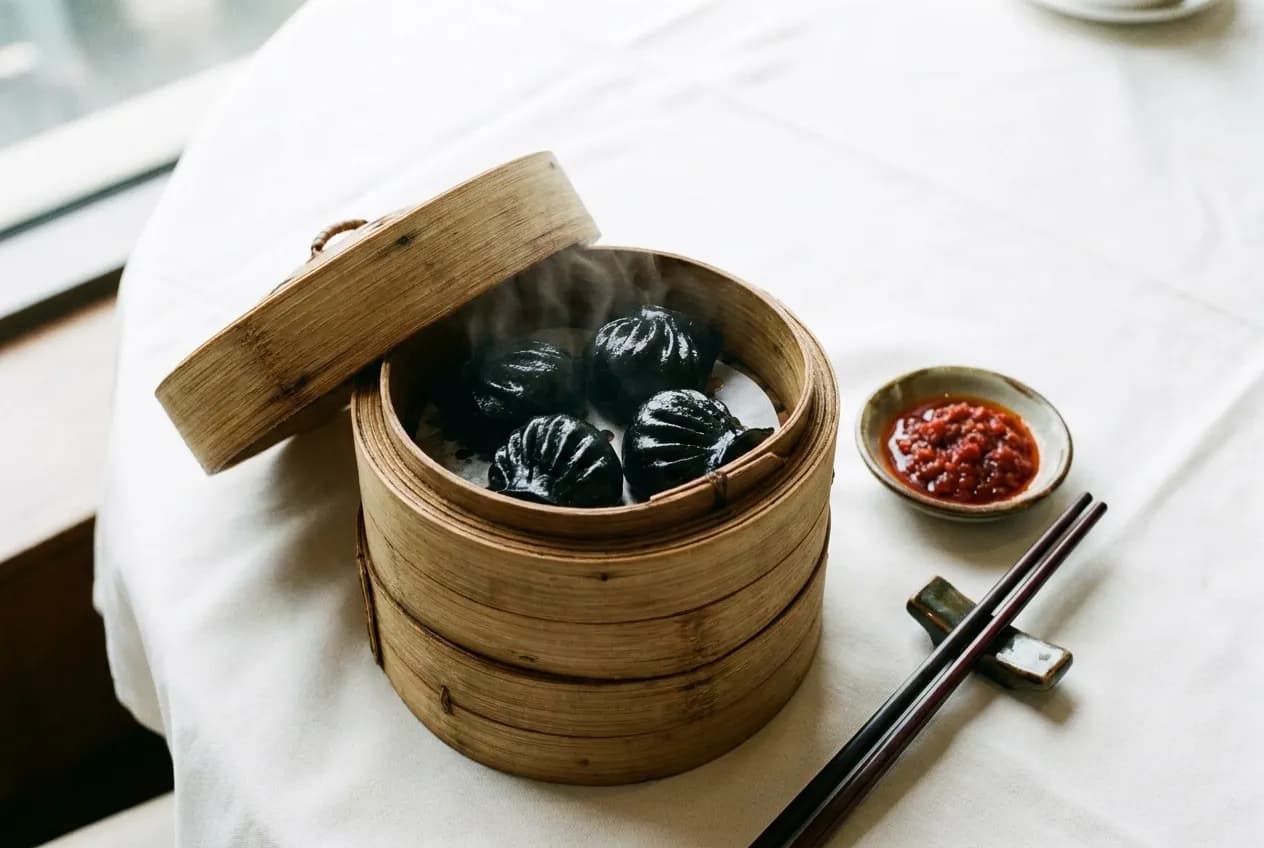
Sea Harbour occupied a bright banquet hall on Rosemead Boulevard for over two decades, serving made-to-order dim sum from paper menus instead of trolleys. White tablecloths, lazy Susans, round tables for eight—the room looked like a wedding venue repurposed for Saturday morning dumplings. The squid ink scallop dumplings with XO sauce became the signature: shiny black bags topped with red chili paste, expensive at ten dollars for three pieces but worth the premium for the scallop-to-wrapper ratio. The restaurant closed permanently in July 2026 following health department citations and kitchen infestations.
Karpo shows you which dim sum restaurants in Rosemead and the wider San Gabriel Valley are open right now, with live wait estimates and booking links where available.
If you're searching for dim sum near you in the San Gabriel Valley today, Sea Harbour won't appear on the live list. The doors are locked, the health rating that dropped to C in February 2026 is no longer posted, and the weekend waits that stretched past ninety minutes by 11:30 AM are over. But understanding what Sea Harbour offered—and why it drew crowds despite mounting hygiene issues—helps clarify what you should look for in the alternatives that remain open.
What the room looked like
The dining room was large and bright, configured for banquets rather than casual drop-ins. Round tables dominated the floor, each fitted with a lazy Susan for sharing plates family-style. White tablecloths stayed on through lunch service, which gave weekend dim sum an oddly formal air—you were eating dumplings in a room designed for wedding receptions. Private dining rooms lined the south end of the space, reserved for evening banquet dinners where live seafood could run a hundred dollars per person.
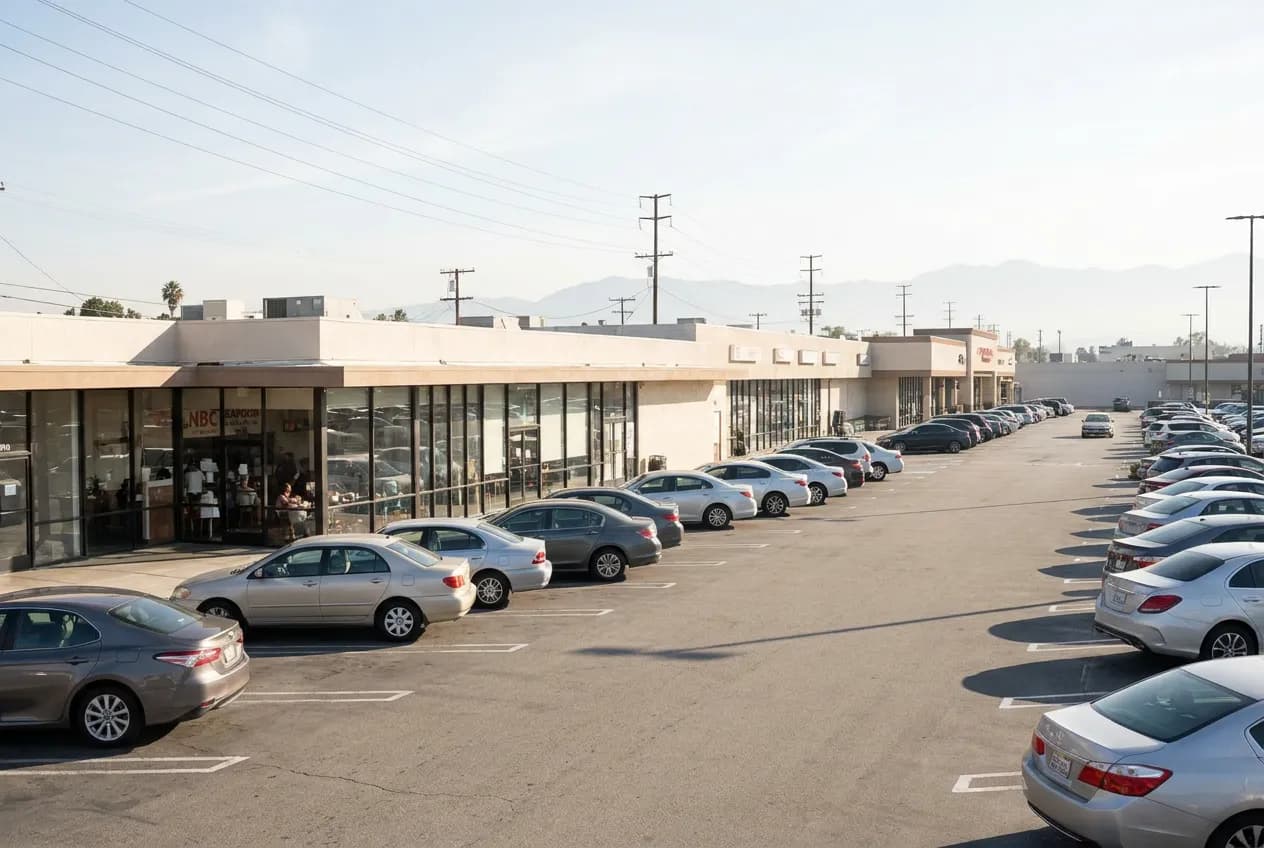
The atmosphere was loud and efficient. Servers moved quickly between tables with rolling carts loaded with bamboo steamers, but Sea Harbour didn't operate on the traditional cart model. You ordered from a paper checklist, ticking boxes next to items like steamed rice noodle rolls or gold-foil lava buns. The kitchen made everything to order, which meant fresher food but slower pacing during peak hours. Parking filled up fast on weekend mornings, and by mid-morning the lot was a negotiation.
What to order when you sat down
Most dim sum plates ran six to seven dollars, standard for the category. Premium items—squid ink scallop dumplings at ten dollars for three pieces, certain shrimp preparations—cost more than standard offerings. Tea was two dollars per person, added automatically. The squid ink dumplings were the signature for a reason: opaque black wrappers encasing whole scallops, topped with a spoonful of XO sauce that added fermented seafood funk and chili heat. Gold leaf decorated the top, a flourish that felt unnecessary but committed.
Steamed rice noodle rolls stuffed with shrimp and Chinese donuts provided textural contrast—slippery noodle, crunchy fried dough, snappy shrimp. The gold-foil lava buns with molten salted egg yolk were divisive; the filling was intensely rich, almost overwhelming if you ate more than one. Chili sauce was offered as accompaniment for certain dumplings, though service could be inconsistent on delivery—you might wait ten minutes for a condiment that should have arrived with the first plate. The lack of cart service meant you couldn't see the food before ordering, which made the meal feel slightly clinical despite the festive room.
When to arrive and when to leave
Arriving at 10:00 AM sharp on Saturday or Sunday was the only reliable way to avoid long waits. By 11:30 AM, lines stretched significantly, and the host stand turned into a scrum. Weekday lunch—10:30 AM to 3:00 PM Monday through Friday—was easiest to access, with walk-ins working mid-week when the dining room was half-empty. Weekend dim sum drew the largest crowds from the 10:00 AM opening, which made timing essential.
Most groups stayed ninety minutes to two hours, cycling through eight to twelve plates depending on party size. The pacing was slower than cart-service dim sum because every dish was made to order, so you couldn't rush the meal even if you wanted to. Dinner service required reservations and shifted the focus to live seafood banquets, a completely different price point and occasion. For dim sum, the weekend breakfast window was the main event, and missing it meant waiting or coming back another day.
What it cost and how to book
A typical dim sum meal for two ran forty to sixty dollars before tip, depending on how many premium plates you ordered. Four people could easily spend a hundred if they leaned into the squid ink dumplings and added a few specialty items. Tea added four dollars for two, eight for four. Walk-ins were the norm for dim sum; reservations were required only for dinner service. That policy made weekend mornings a gamble—you either timed it perfectly or you waited.
In February 2026, the restaurant received a C health rating with twelve violations posted at the front door, though regulars appeared unconcerned at the time. Five months later, health department citations and kitchen infestations forced a permanent closure. The deterioration happened quickly, or at least became undeniable quickly. Any current listings showing open hours or accepting reservations are outdated; the restaurant's 25-year run ended in July 2026.
Who this room did not suit
Sea Harbour was the wrong choice if you wanted cart service. The kitchen made every dumpling to order, which meant better texture and hotter food but also a slower pace and no visual browsing before you committed. If you liked pointing at mystery steamers rolling past, Seafood Cove 2 in Westminster ran carts all weekend. Sea Harbour also drew a Mandarin- and Cantonese-speaking crowd that could make non-speakers feel adrift when servers rushed through specials or forgot to deliver requested chili sauce. The room was loud—round tables of ten, high ceilings, no acoustic damping—so anyone seeking a quiet Saturday brunch left frustrated. Families with toddlers fit the energy, but a date or business meeting required raised voices.
The weekend wait was genuinely punishing if you arrived after 10:30 AM. By 11:30 the line stretched outside, and the host stand offered no text-alert system or accurate time estimate. You stood in the parking lot or near the door, often for forty-five minutes or longer, with no nearby coffee shop to duck into. If you could not commit to that queue or adjust your schedule to a Tuesday at 11:00 AM, Sea Harbour was the wrong restaurant. Lunasia in Cerritos and J Zhou in the San Gabriel Valley both accepted reservations for dim sum service, which made them better fits for anyone on a fixed timeline or traveling with elderly relatives who could not stand that long.
Where to go instead
Several alternatives remain open in the San Gabriel Valley and surrounding areas. Longo Seafood in Rosemead operates at a similar price point and is the most direct replacement for those who frequented Sea Harbour. 888 Seafood on Valley Boulevard handles large groups well in a banquet format, though it sits below Sea Harbour in critical rankings. Ji Rong Peking Duck in Rosemead serves northern Chinese dishes focused on Peking duck, a different style but worth considering. All take walk-ins for weekend service, though timing still matters for the most popular hours.
Tags: #dimsum #rosemead #sangabrielvalley #cantonesebanquet #squidinkdumplings #xosauce #weekenddimsum #madetoorder #closedrestaurant #lunasiadimsum #seafoodcove #jzhoudimsum #healthrating #permanentlyclosed #dumplingsnearme
All trademarks are the property of their respective owners.
Ask Karpo first
Ask Karpo which dim sum restaurants in Rosemead and the San Gabriel Valley are open right now and whether they're taking walk-ins or require reservations for weekend service. Karpo will also show you live drive times from your current location and flag any recent health rating changes before you commit to the trip.