 Burbank Film Memorabilia Collector Shop Walk: Studio Stash
Hidden Gems & Odd Finds

LA Craft Class Shortlist: Choose Your Take-Home Project
Choose an LA craft project by what you want to keep, carry or give away. Compare finishing, storage and transport before committing to a particular workshop.
Start at the end of the afternoon: you are heading home with something you made. Is it a small object tucked inside your bag, a wearable detail, or a piece that needs its own shelf? That picture can do more for an LA craft class shortlist than a broad search for creative activities. Working backwards from the result helps you choose the size, material and completion arrangements that fit your life. It also separates enjoying a technique from actually wanting to own the object it produces.
First, choose the object's job
Give the finished piece a purpose in one sentence. Perhaps you want a small decoration for your desk, a stitched element for a bag, or a handmade gift for someone who likes practical things. This is a personal design brief, not a claim about an available course. A purpose makes the next decisions easier: a desk object needs somewhere to sit, while something carried every day needs a form that suits that use. A beautiful sample is more relevant when you know where your version would belong.
A useful alternative is to choose a learning sample instead of a permanent object. You might want to try several stitches on a scrap of fabric or test a few printing marks on paper. The result can be evidence of a new technique without becoming home décor. This approach is particularly helpful if your space is already full or you enjoy experimenting more than displaying. The afternoon can still produce something worth keeping, even when the object is deliberately modest.
Then work through three possible endings
The first ending is immediate departure with a completed piece. If that matters, put it near the top of your search request. Do not infer it from the advertised lesson duration. A session can finish while the material still needs drying, curing or another process. Read the specific completion description for any candidate you consider. The important distinction is between the time you spend participating and the point at which the object is ready for its intended use.
The second ending is later collection. Some ceramic projects, for example, involve drying and kiln firing after shaping. That can work well for someone who can return, but it creates another trip rather than a single outing. The third ending is delivery, where offered by a particular organiser. Treat collection and delivery as separate arrangements with their own published terms. Neither belongs in your plan simply because it would be convenient. Decide which endings you can accommodate before comparing studios.
Give the project a physical limit
Measure the space you can realistically give the object. You do not need a technical drawing: a place on a shelf, a clear wall patch or the capacity of your everyday bag is enough to establish a limit. For a visitor staying in LA briefly, luggage can be a more useful constraint than home storage. Describe the maximum size and how you intend to travel with it. This prevents an appealing large project from quietly becoming a transport problem.
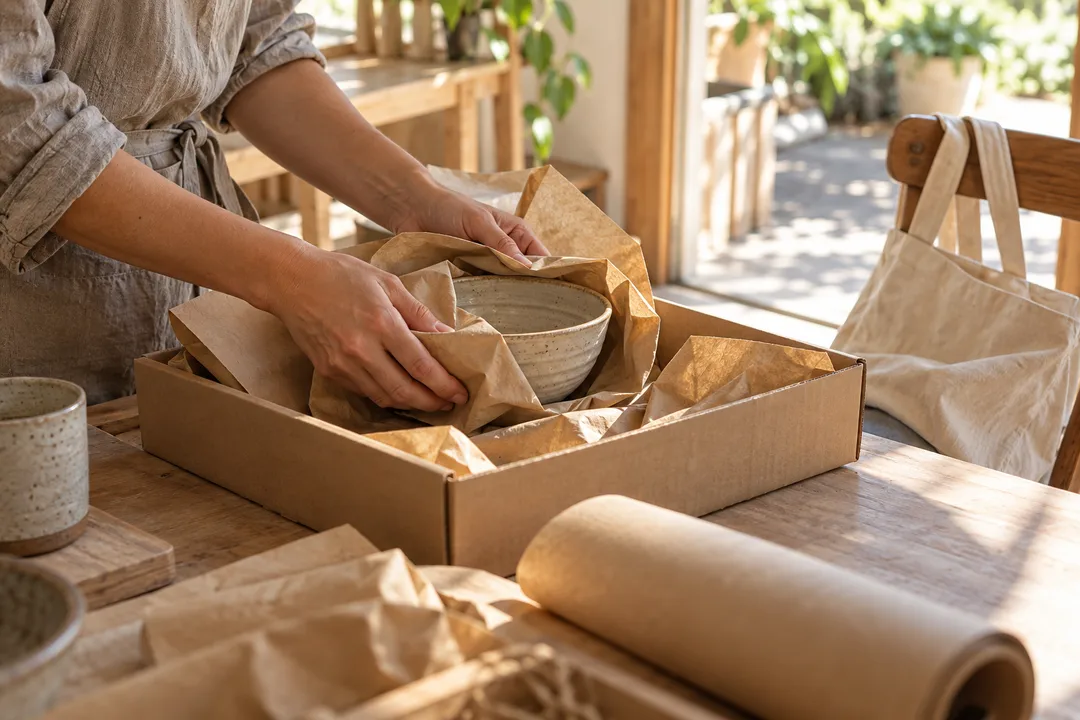
Think about weight and fragility separately from dimensions. A flat paper piece and a shallow clay bowl might occupy similar space, but they ask for different packing. If you will continue the day on foot or public transport, carrying the piece becomes part of the experience. Keep a tote, a protective box and leaving it with the studio as distinct possibilities that depend on the actual arrangement. A photograph rarely explains packaging, so let the organiser's project details supply that information.
Let the material suit the recipient
When making a gift, choose around the recipient's habits rather than a generic idea of handmade charm. Someone who likes small useful accessories may appreciate a different project from someone who collects decorative objects. Avoid promising a functional use that the material or process does not support. A handmade vessel is not automatically suitable for food, heat or water. If those properties are essential, they need to be part of the specific course's documented outcome, rather than an assumption made from the shape.
Leave room for a beginner's variation. A gift deadline can turn small mistakes into unnecessary pressure if the project must look exactly like a sample. You might instead choose a technique exercise for yourself and make a gift on a later occasion. Alternatively, select an outcome whose individual marks are part of the appeal. The relevant question is whether you would enjoy giving your own version, not whether a promotional photograph looks impressive enough to present.
Build a request from the result backwards
Try this in the Karpo APP: “I am exploring craft ideas for LA and want a small piece I can carry in a shoulder bag. I like paper and fabric, would rather take the project away the same day, and do not need a decorative object for my wall. Help me compare three kinds of project.” This is a planning conversation about your preferences. A suggested project category should lead to a search for an actual offering, rather than being treated as a scheduled class itself.
If the first ideas feel wrong, change the outcome condition that caused the mismatch. A bulky object suggests a tighter size limit. A complicated design suggests asking for a single technique. A project needing another trip suggests making completion arrangements a decisive filter. These refinements keep the conversation anchored to what you want to bring home. You can explore unfamiliar media without losing track of the practical reason you started looking.
Compare the full commitment before choosing
For each real course you consider, note the piece described, the included materials, the finishing process and what happens afterwards. Use the same headings in your own notes so that a quick project and a longer process remain comparable. If the description names only a technique, do not turn it into a guaranteed finished product. If several sizes or finishes are offered, choose the version that matches your original purpose before comparing the cost of optional additions.
The commitment continues at home. A textile project may invite more practice, while a display piece asks mainly for space. Decide whether you want the session to open a continuing hobby or be a complete standalone afternoon. You do not need to buy equipment to prove that you enjoyed it. A small sample and an understanding of what you liked can be enough. Let the next purchase follow an actual interest rather than an imagined future workshop routine.
Practical Notes for leaving with your work
Plan a clear place for the object during the journey and follow any handling instructions attached to the specific project. Keep wet, delicate or unfinished work away from the assumption that everything can go straight into a bag. If later pickup is part of the offering, include that return in your decision now. Your final choice should connect the pleasure of making with an ending that works: something you understand, can manage and actually want to keep.
Ask Karpo for more information.
Keep reading
- Burbank Film Memorabilia Collector Shop Walk: Studio Stash
 Pasadena Film Memorabilia Collector Shop Walk: Classic Route
 Silver Lake Film Memorabilia Collector Shop Walk: Indie Lore