 Burbank Film Memorabilia Collector Shop Walk: Studio Stash
Hidden Gems & Odd Finds
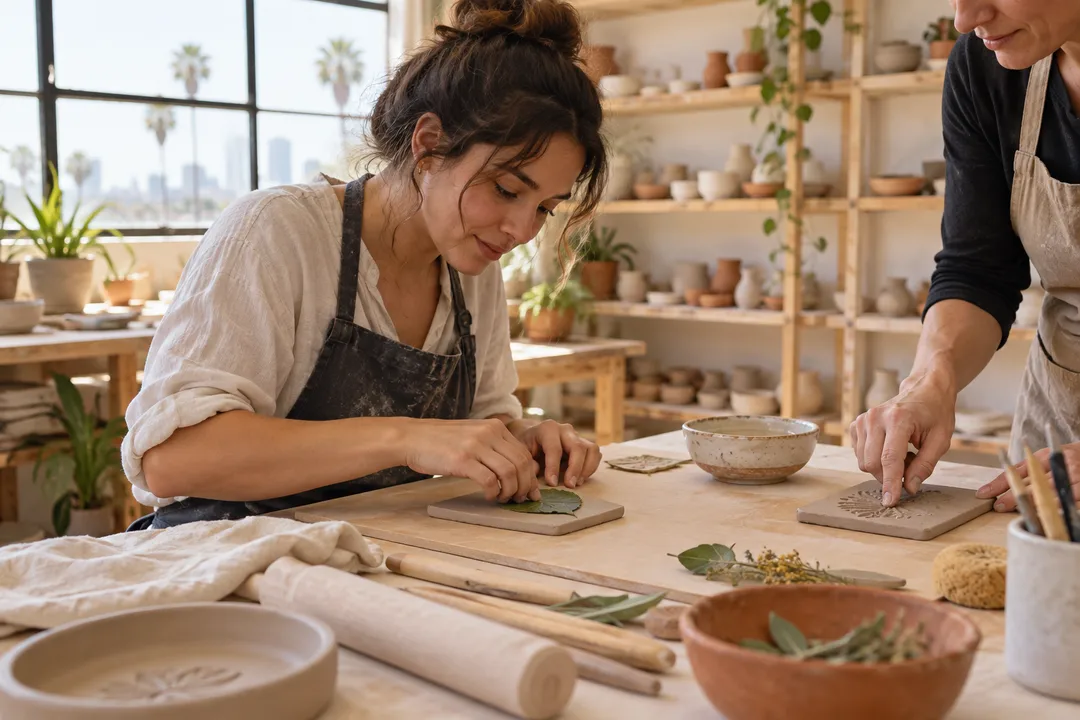
LA Craft Class Shortlist: 5 Ways to Start Making
A first craft session in LA should fit how you like to learn. Narrow the materials, teaching style and project size before choosing a creative afternoon.
You have saved a beautiful handmade bowl, an embroidered jacket and a stack of colourful prints, but none tells you which activity you would enjoy doing yourself. A useful LA craft class shortlist starts with the experience of making. Perhaps you want a calm hour repeating a movement, or a guided challenge that keeps your hands busy. Before looking for a particular course, decide what would make your first attempt feel inviting. These five choices give your search a direction without requiring an existing hobby.
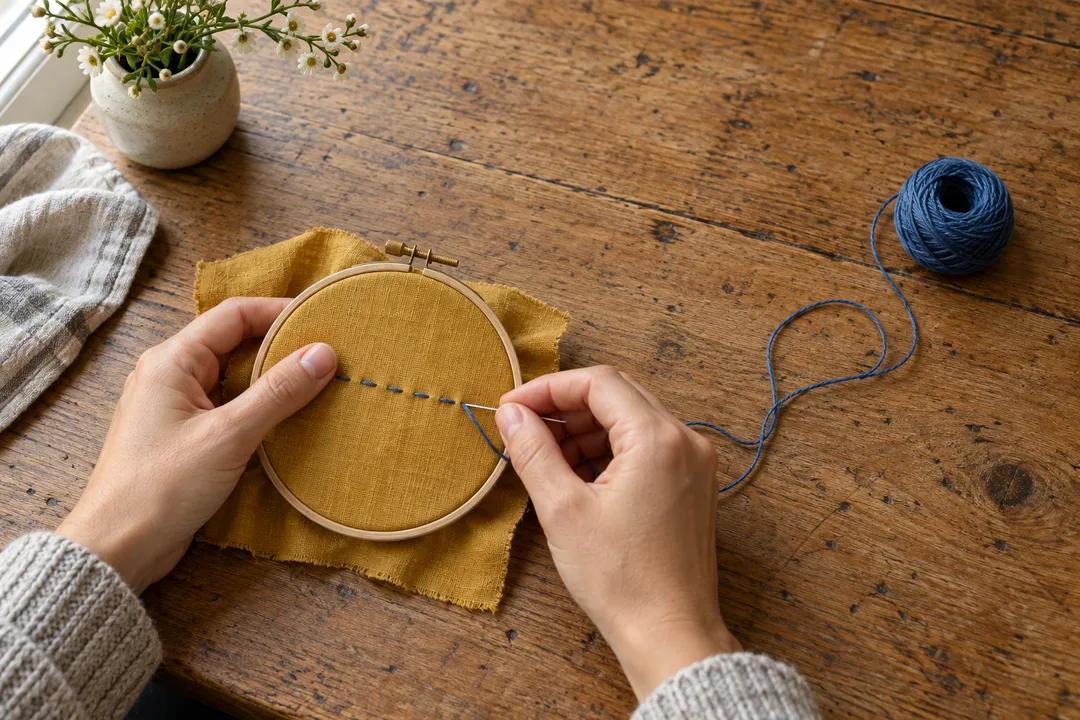
1. Describe the movement that interests you
Imagine the work before imagining the finished photograph. Would you enjoy pressing and shaping a soft material, drawing a repeated line, or joining pieces into a structure? Those preferences can point towards clay, simple printmaking, stitching or paper work as categories to explore. They are starting ideas rather than a claim that a particular LA studio teaches them today. Give yourself permission to choose the motion that looks satisfying, even if the resulting object is something small.
Try describing one appealing action and one action you would avoid. You might enjoy selecting colours but dislike measuring tiny pieces, or welcome steady handwork while wanting to avoid a noisy machine. That pair of details makes your request more useful than saying you want something creative. It also helps distinguish a relaxing introduction from an activity that feels demanding for reasons unrelated to artistic ability. There is no need to rank yourself as talented or untalented before you begin.
2. Choose what kind of instruction feels comfortable
A first lesson can involve watching a demonstration, following a sequence of individual steps, or receiving corrections while you work. Decide which approach helps you understand an unfamiliar task. If seeing the whole process first would reduce uncertainty, say so. If you prefer completing one stage before hearing about the next, make that your preference instead. The useful question is how much structure you want around your first attempt, rather than whether a class advertises itself as friendly.
Separate instruction from pace. A highly structured session can still leave time for experimentation, while an informal room can move quickly. Look for an actual explanation of how beginners are supported in a course description. A photograph of smiling participants cannot answer that question. When a listing does not describe the teaching approach, leave that item undecided in your comparison. You can still assess other candidates without inventing the missing detail or assuming every introductory course works the same way.
3. Limit the first project deliberately
Choose a modest outcome that leaves room to learn a technique. One stitched motif, a small paper construction or a single shaped object can be a complete afternoon's ambition. The aim is to finish with an understanding of what you tried, rather than to reproduce a professional sample. A useful shortlist distinguishes a guided project from an open studio session. Independent work time may suit an experienced maker, but it does not itself promise instruction for someone handling the material for the first time.
Think about the decisions you want to make. Selecting a colour and a simple pattern may be enough for your introduction. Designing a shape from scratch adds another layer of work. Neither choice is inherently better. Write down whether you want an example to follow or room to invent. This is especially helpful if the polished object in a promotional picture attracted you: identify which part you actually want to learn, then let the project serve that interest.
4. Give the afternoon a realistic boundary
Name your starting neighbourhood and the amount of travel you are willing to take on. A class in Pasadena and an afternoon beginning in Santa Monica describe a different outing from one contained within the same area. Those names are planning examples, not a route estimate. Use your actual starting point when comparing journeys. Include arrival, instruction, cleanup and getting home in the time you set aside, rather than assigning your whole free afternoon to the advertised lesson alone.
Set a personal spending ceiling that includes the parts you care about: tuition, materials, any finishing and transport. This is your budget, not an asserted local price. Keep included supplies distinct from optional upgrades. If a course offers a basic project and several additions, decide whether the basic version already satisfies you. A beginner session does not need the largest object or the fullest materials package to be worthwhile. It needs a scope and total commitment you are comfortable choosing.
5. Ask for a comparison you can use
Open the Karpo APP with a brief such as: “I want to try a craft in LA for the first time. I like tactile work and simple colour choices, prefer step-by-step teaching, and want one small project. Help me compare a few activity types before I choose a studio.” Add your starting area and personal limits. This asks for discovery and planning support without presenting a hypothetical class as a confirmed event or assuming any place has a seat available.
Use the first conversation to identify the tradeoff you care about most. If clay sounds appealing but collecting an object later would be inconvenient, ask to compare that commitment with a portable textile project. If a technique seems too detailed, request a simpler introduction to the same kind of movement. You are refining your own brief. A useful next question changes one meaningful requirement rather than asking for an entirely different list each time a new idea appears.
Read a course page with a beginner's questions
Once you have a specific candidate, read what the session actually includes. Distinguish the material, the technique and the project: “textiles” names a broad medium, “hand stitching” describes an action, and “embroidered patch” identifies an outcome. Also note any prerequisite, equipment requirement or completion arrangement stated by the organiser. Keep the organiser's booking page as the place where a paid place is selected. A shortlist is a decision aid, and an appealing description alone is not a reservation.
Give yourself one simple success measure before choosing. It could be understanding a basic stitch, enjoying the feel of clay, or finding out whether working at a shared table suits you. An uneven edge does not invalidate any of those outcomes. A first workshop can answer whether you want a second one. That is a more useful result than buying a large collection of supplies before discovering which part of making you enjoy.
Practical Notes for your first try
Wear something you can comfortably work in and follow any clothing or equipment instructions the organiser provides. Bring only the supplies the course asks you to bring. If you have an access need or a material sensitivity, make it part of the selection criteria from the start. Finish your shortlist with one preferred activity and one alternative that solves a different constraint. You will then have a clear next step, with room for a different choice if the first option does not fit.
Ask Karpo for more information.
Keep reading
- Burbank Film Memorabilia Collector Shop Walk: Studio Stash
 Pasadena Film Memorabilia Collector Shop Walk: Classic Route
 Silver Lake Film Memorabilia Collector Shop Walk: Indie Lore