 Lincoln Heights Champurrado Winter Cafe Picker: Two Routes
Coffee & Dessert
West Hollywood Cozy Coffee Roastery Cafe: A Melrose Walk
Pair a cozy coffee roastery cafe in West Hollywood with a slow Melrose design walk, learning to read a bean bag, order a flight and pace the morning well.
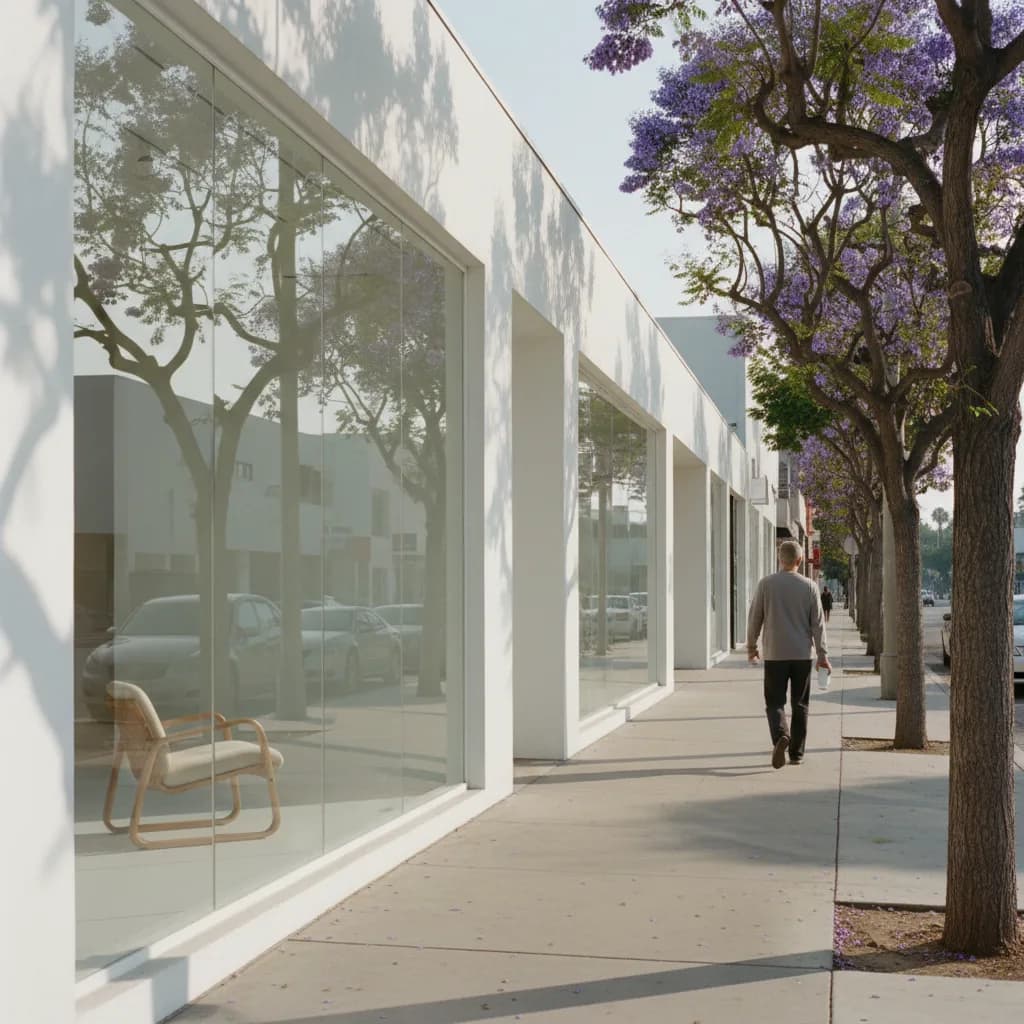
A cozy coffee roastery cafe in West Hollywood works best as the opening act of a design morning. Pick a roaster bar near Melrose Avenue, take your time with a cup and a short chat at the counter, then walk the showroom blocks while the street is still quiet. A shaded courtyard or pocket park makes the closing pause. This guide covers how to choose the cafe, what to order and how to pace the walk so the coffee and the neighborhood each get their due.
Why West Hollywood Suits a Slow Coffee Morning
West Hollywood is a small city wedged between Beverly Hills and Hollywood, and it packs a surprising amount of texture into a few square miles. Melrose Avenue and the streets around the Pacific Design Center have long been a center of the furniture, lighting and interiors trade. Robertson Boulevard and the side streets below Santa Monica Boulevard add boutiques, garden patios and the occasional hidden courtyard. Mornings here are calm. Most shops get going later, so the early part of the day belongs to dog walkers, joggers and people heading to studios.
That rhythm suits a roaster cafe. The best ones in and around WeHo feel like small studios themselves, with clean counters, a few stools, a plant or two and a menu that changes as new lots come in. Some roast on a small machine behind the bar. Others work with a partner roastery across town and rotate its beans. Either way, the point is to treat the coffee like a material, the same way the showrooms down the block treat walnut, brass or linen.
How to Spot a Real Roaster Cafe
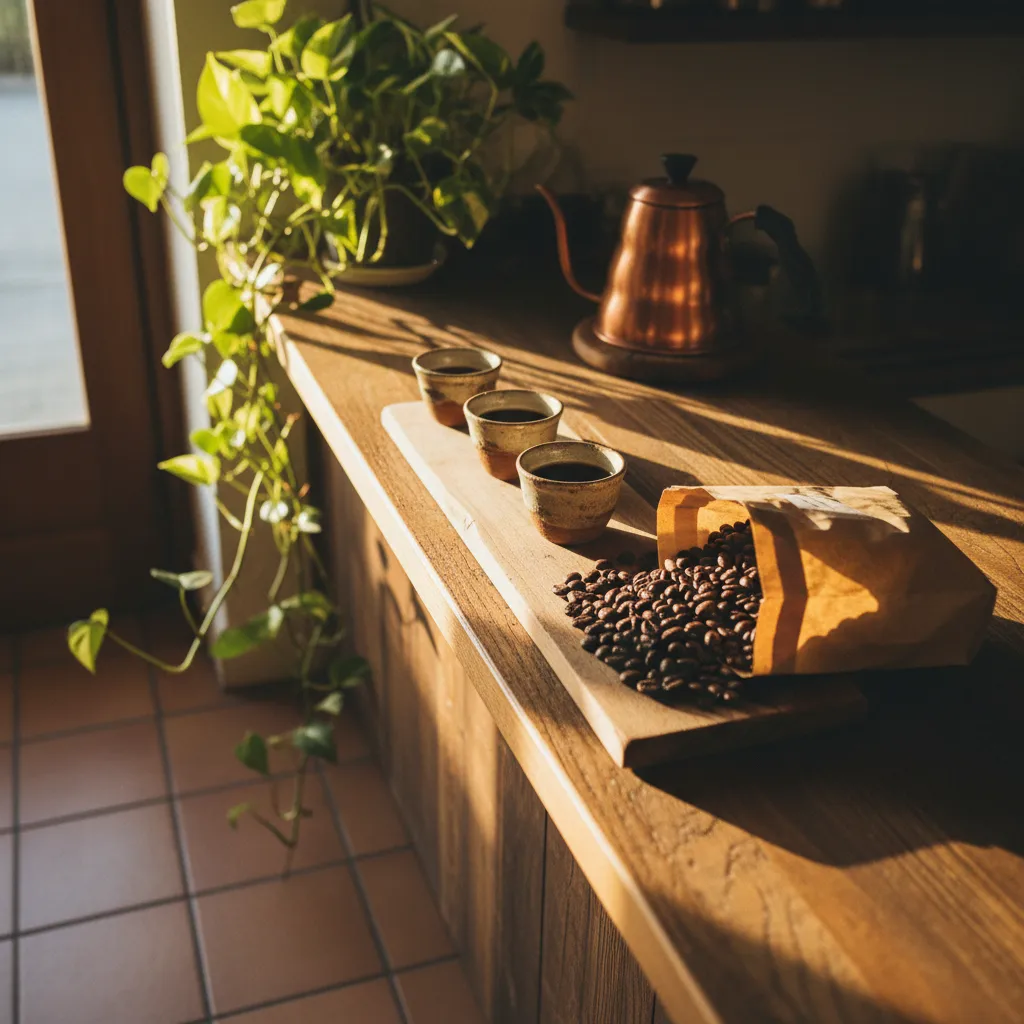
West Hollywood has no shortage of pretty coffee shops, and plenty of them pour perfectly good espresso from a bag they never chose. If you want the roastery experience, look for a few clues before you order. The first is the retail shelf. A roaster cafe will usually show bags with a farm or cooperative name, a region, a processing method and a roast date. Generic labels that only say house blend or dark roast suggest the coffee is an afterthought.
The second clue is the menu board. A roaster tends to list more than one espresso option, or at least a single-origin alternative, plus a filter coffee that changes. The third clue is the conversation. Ask what is new this week. A barista at a roaster cafe will usually light up and tell you about a washed Ethiopian that tastes like bergamot or a natural from Colombia that reads like red fruit. If the answer is a shrug, you can still enjoy the room, but you will not get the full story.
Finally, look at the equipment. A small drum roaster in the corner is the obvious tell, though not every good roaster cafe roasts on site. Pour-over stations, a scale at every brew point and a grinder dedicated to filter coffee all point to a team that cares about extraction rather than speed.
What to Order on Your First Visit
Start with a pour-over of the lightest coffee on the board. Light roasts show off origin character, and a West Hollywood morning, with its soft light and slow pace, rewards paying attention. Drink it black for the first few sips, then let it cool. Good filter coffee changes as the temperature drops, and the sweetness often comes forward after five or ten minutes.
If the cafe offers a flight or a side-by-side tasting, take it. Comparing two coffees from different regions, or the same bean as espresso and as filter, is the fastest way to understand what a roaster is aiming for. Many counters will happily pour a small espresso next to your filter if you ask on a quiet morning. Milk drinkers are welcome too. A cortado or a flat white made with a fruity espresso can be a revelation, and it pairs well with a pastry if the cafe bakes or sources one locally.
Before you leave, read the bag labels on the shelf and ask which one would suit your brewer at home. Buying beans directly from the people who roasted them is the best souvenir a roaster cafe can offer, and it keeps the morning going long after the walk ends.
The Melrose Design Walk
With a cup in hand or the caffeine already working, head toward the stretch of Melrose Avenue around the Pacific Design Center. The building itself, a cluster of huge glass volumes in blue, green and red designed by Cesar Pelli, is one of the most recognizable pieces of architecture on the west side. Locals still call the first one the Blue Whale. Walk around it to see how the colors shift with the morning sun.
From there, wander the surrounding blocks of Melrose and the cross streets. Many showrooms here are trade-focused, so treat the windows as an open-air gallery rather than a shopping list. Look for lighting studios, rug dealers, vintage modern furniture and the occasional art gallery. The point is to slow down and notice materials, the same habit you practiced with the coffee. Pay attention to how a stone tabletop catches light or how a lamp throws shadow onto a wall.
If you want a contrast, drift south toward Robertson Boulevard and the residential streets nearby. The shift from the commercial design corridor to quiet blocks of courtyard apartments and Spanish revival bungalows is one of the pleasures of walking WeHo. Bougainvillea spills over walls, palm shadows stripe the sidewalks and the noise of Santa Monica Boulevard fades within a block.
Where to Pause
Every good coffee walk needs a place to sit. West Hollywood Park, beside the West Hollywood Library and close to the design district, has lawns, shade trees and benches where you can finish a second cup. The library building itself, with its big windows and terraces, is worth a look from outside even if you do not go in. If you prefer a smaller spot, many of the side streets have tiny landscaped medians and courtyard entrances that make a natural resting point for a few minutes.
This is also the moment to think about the beans you bought. Open the bag, smell it and decide how you will brew it. Writing down what you tasted at the cafe, even in a few words, makes it easier to recognize the same coffee at home.
Pacing and Timing Tips
Go early on a weekday if you can. Weekend brunch crowds fill West Hollywood quickly, and the calm that makes a roaster cafe feel cozy disappears once brunch begins. A quiet weekday visit also means more time with the barista and a better chance at a tasting. Wear comfortable shoes. The walk from the cafe to the design blocks and the park is easy but longer than it looks on a map, and the sun can feel strong even in winter.
Bring a reusable cup if you plan to walk with coffee, and plan to buy no more than one bag of beans so you can finish it while it is fresh. If you are coming from elsewhere in Los Angeles, parking is easier early, and the area is also reachable by the frequent buses along Santa Monica Boulevard. Treat the whole morning as a single slow loop rather than a checklist. One great cafe, one good walk and one shaded pause is the right amount.
Let Karpo Shape the Morning
Karpo can help you turn this outline into your own West Hollywood plan. Tell the Karpo app how you like your coffee, how long you want to walk and whether you prefer design showrooms or residential streets, and it will suggest a route and a pace that fits. Then go slowly, taste carefully and let the neighborhood fill in the rest.
Ask Karpo for more information.
Keep reading
- Lincoln Heights Champurrado Winter Cafe Picker: Two Routes
 Pico-Union Champurrado Winter Cafe Picker: Two Easy Ways
 Highland Park Champurrado Winter Cafe Picker: Two Avenues