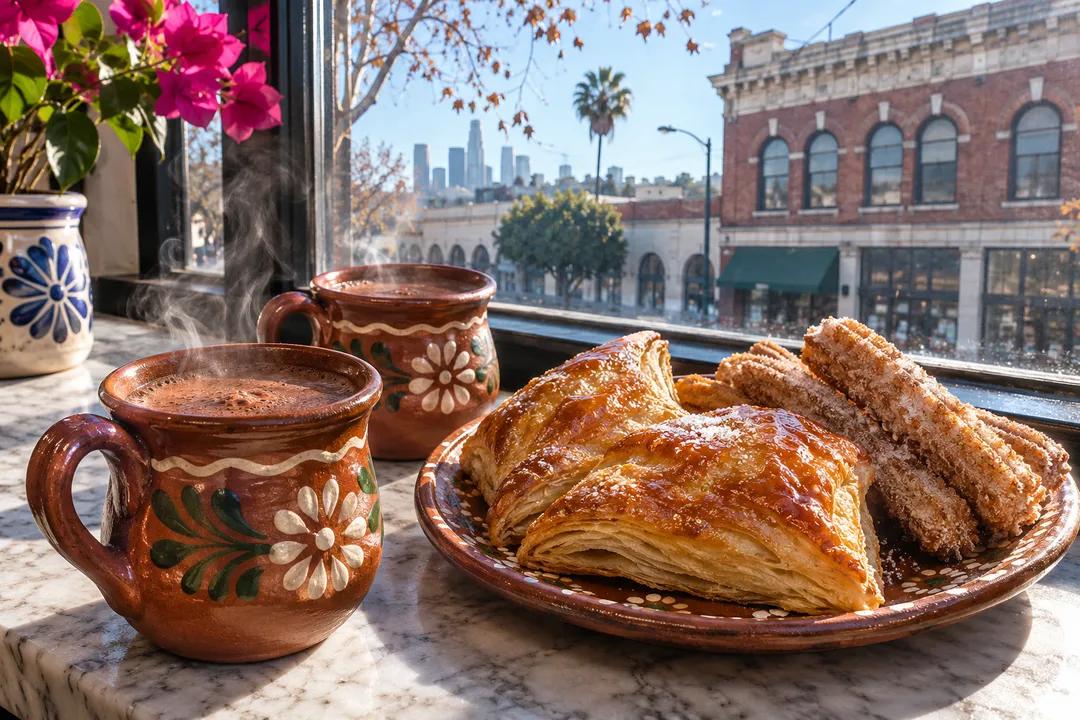
 Lincoln Heights Champurrado Winter Cafe Picker: Two Routes
Coffee & Dessert
Pasadena Cozy Coffee Roastery Cafe: Beans for Your Home Brew
Use a cozy coffee roastery cafe in Pasadena as a home-brew classroom: taste, ask questions, buy the right beans, then stroll City Hall and Old Pasadena.
Most people visit a cozy coffee roastery cafe to drink a great cup. In Pasadena, try using one as a classroom too. Go early, sit near the brew bar, ask the barista how they dial in this week's beans, and leave with a bag that suits the equipment you already own. Then walk it off through the City Hall courtyard and the alleys of Old Pasadena. This guide is for people who brew at home and want their kitchen coffee to taste closer to the counter version.
Why Pasadena Is a Good Place to Learn
Pasadena moves at a gentler pace than much of Los Angeles. Its downtown is walkable, the streets are shaded by old trees and the morning crowd is a mix of students, researchers, retirees and families. Specialty coffee has been part of the local fabric for years, and several cafes in and around the city roast their own beans or work closely with a single roaster. Because the rooms are less frantic than those in busier neighborhoods, baristas often have time to talk.
That matters if you want to learn. A roaster cafe is one of the few places where the people who chose and roasted the coffee are within arm's reach of the cup. They know how long the beans rested, what grind they are using on the filter bar and what the coffee is supposed to taste like. Pasadena's calm counters make it easy to ask.
Before You Go: Know Your Gear
Spend two minutes before leaving home thinking about how you brew. Write down your brewer, whether that is a cone dripper, a flat-bottom dripper, a French press, an automatic machine, a moka pot or an espresso setup. Note whether you grind your own beans and what kind of grinder you have. If you use a scale, note your usual ratio. If you do not, that is fine too. The point is to give the barista enough information to help you choose.
Also think about what you like. Some people love bright, juicy coffee with notes of citrus or berries. Others prefer chocolate, nuts and caramel. If you are not sure, bring a word or two about the best cup you remember. Baristas are used to translating vague descriptions into bean choices.
At the Counter: Questions Worth Asking
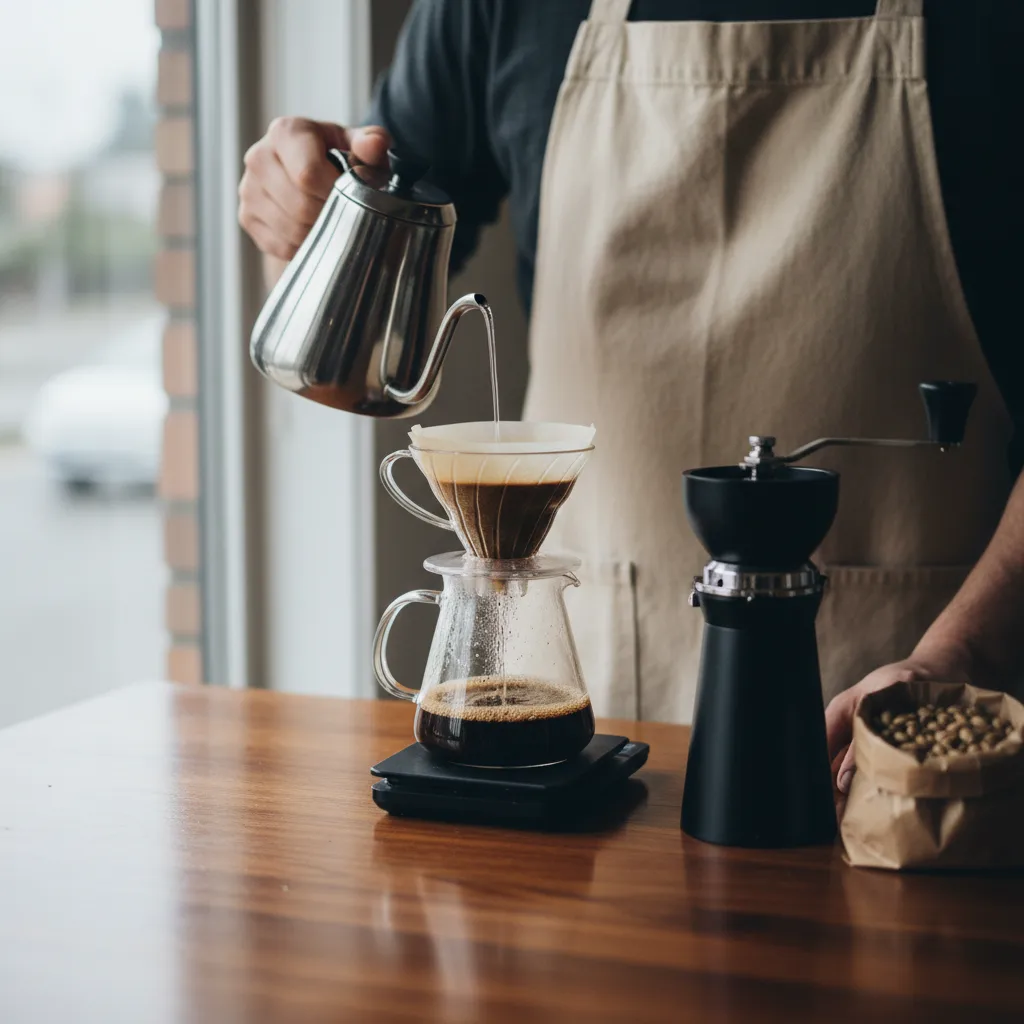
Order a pour-over of whatever the barista is most excited about, and a small espresso if the cafe offers single-origin shots. While you wait, ask a few questions. How long do they let beans rest after roasting before brewing them? What grind setting would they use for your brewer, described as finer or coarser than table salt or sea salt? What water temperature and ratio are they using on the filter bar today?
Then ask the most useful question of all: if this coffee tasted sour or thin at home, what would you change first? A good barista will usually suggest grinding finer or brewing a little longer, and if it tasted bitter or harsh, grinding coarser. Simple advice like this, tied to a specific coffee you just tasted, sticks better than any online guide.
Watch how the barista pours. Notice the bloom, the slow spiral, the pauses. You do not have to copy it exactly, but seeing the rhythm in person helps. If the cafe is quiet, some baristas will let you smell the dry grounds next to the brewed cup so you can link the aroma to the flavor.
Choosing Beans for Home
Look at the shelf with your notes in hand. For cone and flat-bottom drippers, lighter and medium roasts usually shine, and washed coffees from East Africa or Central America tend to be forgiving. For French press and automatic machines, a medium roast with chocolate or nut notes is easier to get right. For moka pots and home espresso, ask for something the cafe uses on its own espresso bar, or a blend designed for milk drinks.
Check the roast date. Coffee usually tastes best after a short rest and within a few weeks of roasting, so buy a bag you can finish in that window. Ask whether the cafe can grind it for your brewer if you do not have a grinder, but know that whole beans stay fresh longer. Smaller bags are a smart choice when you are trying something new.
Walk It Off: City Hall and Old Pasadena
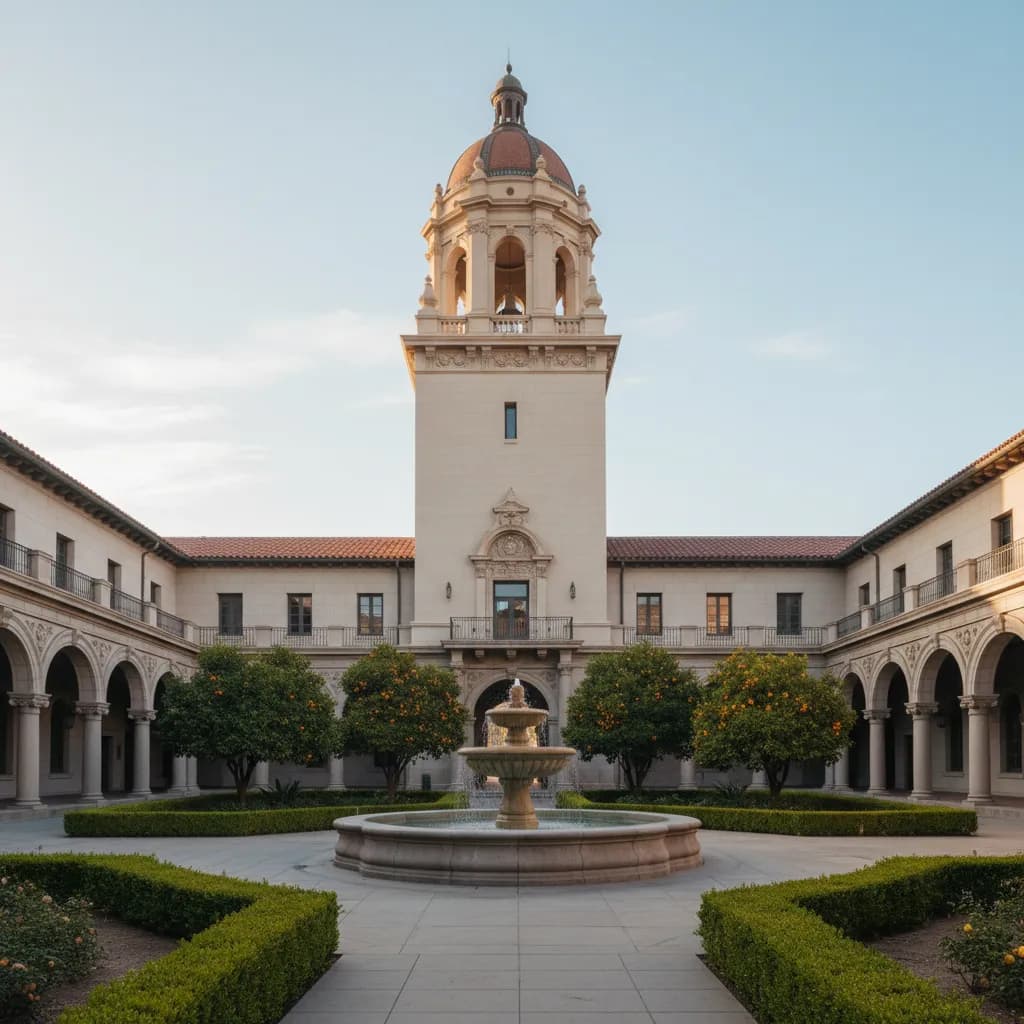
With your beans in hand, take a slow walk through downtown. Pasadena City Hall, completed in 1927 and designed by the San Francisco firm Bakewell and Brown, is the centerpiece of the civic center. Its domed tower rises above a courtyard garden with a fountain, arcades and old trees. Walking through the courtyard on a quiet morning is one of the most peaceful experiences in the city, and the arcades make a perfect shaded spot to look at your bag of beans and plan your first home brew.
From City Hall, head west toward Old Pasadena. The historic district along Colorado Boulevard has brick and terracotta buildings from the late nineteenth and early twentieth centuries, many restored after a long period of decline. Duck into the alleys and passages that run behind the main street. Mills Place and the other walkways have murals, small courtyards and quiet benches, and they reveal how the old commercial blocks fit together.
If you want a longer walk, continue to Central Park, a small green space just south of Old Pasadena, or head toward the Arroyo Seco and the Colorado Street Bridge. The arched concrete bridge, built in 1913, is one of the most photographed structures in the area, and the view down into the arroyo is a good reward for the extra steps.
Brewing at Home
When you get home, brew the beans the way the barista described and taste them side by side with your memory of the cafe cup. If the first try misses, change one thing at a time: grind, ratio or time. Keep a short note on what you changed. After two or three brews you will usually be close, and you will have learned more than any recipe card can teach.
Next time you go back, bring your notes. Tell the barista what worked and what did not. A roaster cafe counter is one of the friendliest places to keep learning, and the best ones remember regulars who care.
Plan the Morning with Karpo
Karpo can turn this approach into a Pasadena morning that fits your schedule. Share your brewer, your taste preferences and how long you want to walk, and the Karpo app will suggest a route through downtown, a pace for the visit and the questions worth asking at the counter. Then enjoy the slow part: the cup, the courtyard and the first brew at home.
Ask Karpo for more information.
Keep reading
- Lincoln Heights Champurrado Winter Cafe Picker: Two Routes
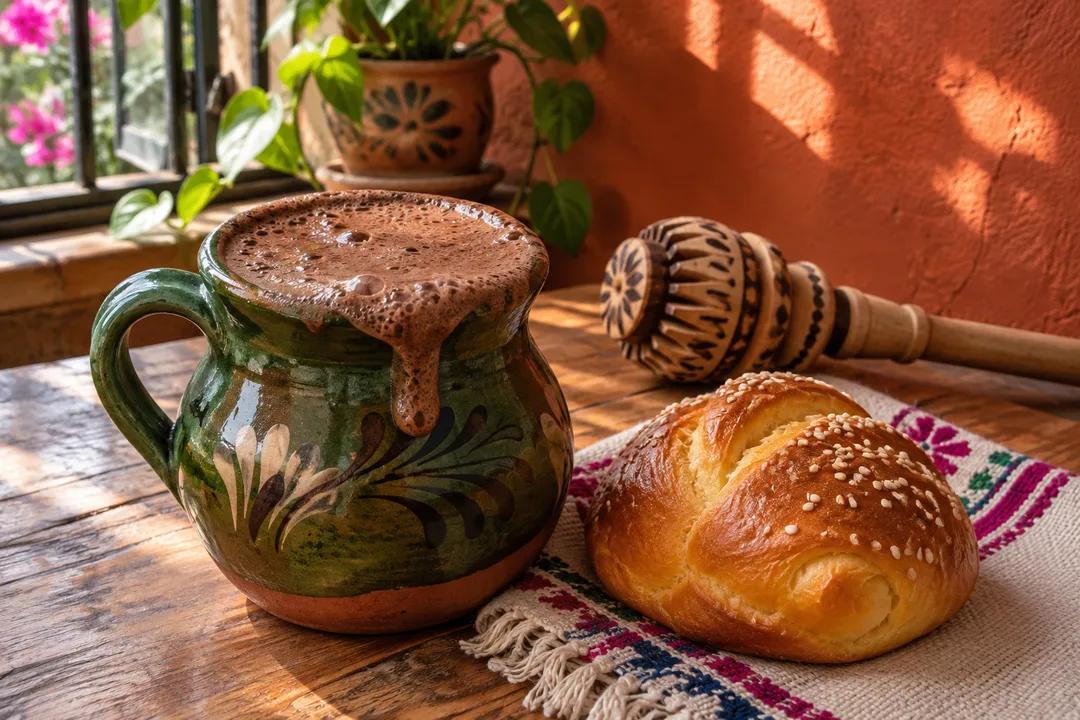 Pico-Union Champurrado Winter Cafe Picker: Two Easy Ways
 Highland Park Champurrado Winter Cafe Picker: Two Avenues