 Burbank Film Memorabilia Collector Shop Walk: Studio Stash
Hidden Gems & Odd Finds

Arts District Consignment Shop Crawl Planner: Sneaker Hunt
Plan an Arts District consignment crawl for sneakers and streetwear: learn how to check soles, stitching and boxes, trade in your own pairs and walk the murals.
An Arts District consignment shop crawl planner for sneakers needs a different mindset from a regular shopping day. Sneaker and streetwear consignment is its own world, with collectors, resellers and casual fans all circling the same shelves. Downtown Los Angeles, and the old warehouse blocks of the Arts District in particular, has become one of the places where that world gathers. The brick buildings, loading docks and murals give the area a raw, creative feel that suits limited releases and well-worn classics alike. Whether you are hunting for a grail pair, trying to replace a beloved shoe you wore out years ago or hoping to turn your own closet of boxes into credit, a plan makes the day far more rewarding.
How Sneaker Consignment Differs
In a typical clothing consignment shop, a buyer looks at condition and brand and sets a price. In sneaker and streetwear consignment, the stakes feel higher because rare pairs can carry serious value and fakes are a real concern. Reputable shops build their whole business on trust, so they usually inspect every pair closely before it reaches the shelf.
That does not mean you can switch off your own judgment. Learning a few checks makes you a more confident buyer and a more credible seller. It also makes the crawl more fun, because you start to notice the small details that separate a great pair from an average one.
Build a Size and Model List
Before heading downtown, write down your exact size in the brands you care about, since sizing can differ between makers and even between models. Then list the three or four silhouettes you would actually wear. Collectors often fall into the trap of buying whatever is rare instead of what fits their life.
Add a note about condition. Some people only want deadstock pairs in the original box. Others prefer gently worn shoes that cost less and do not need to be babied. Knowing which camp you are in will save you hours of second-guessing in the shop.
Reading Condition Like a Collector
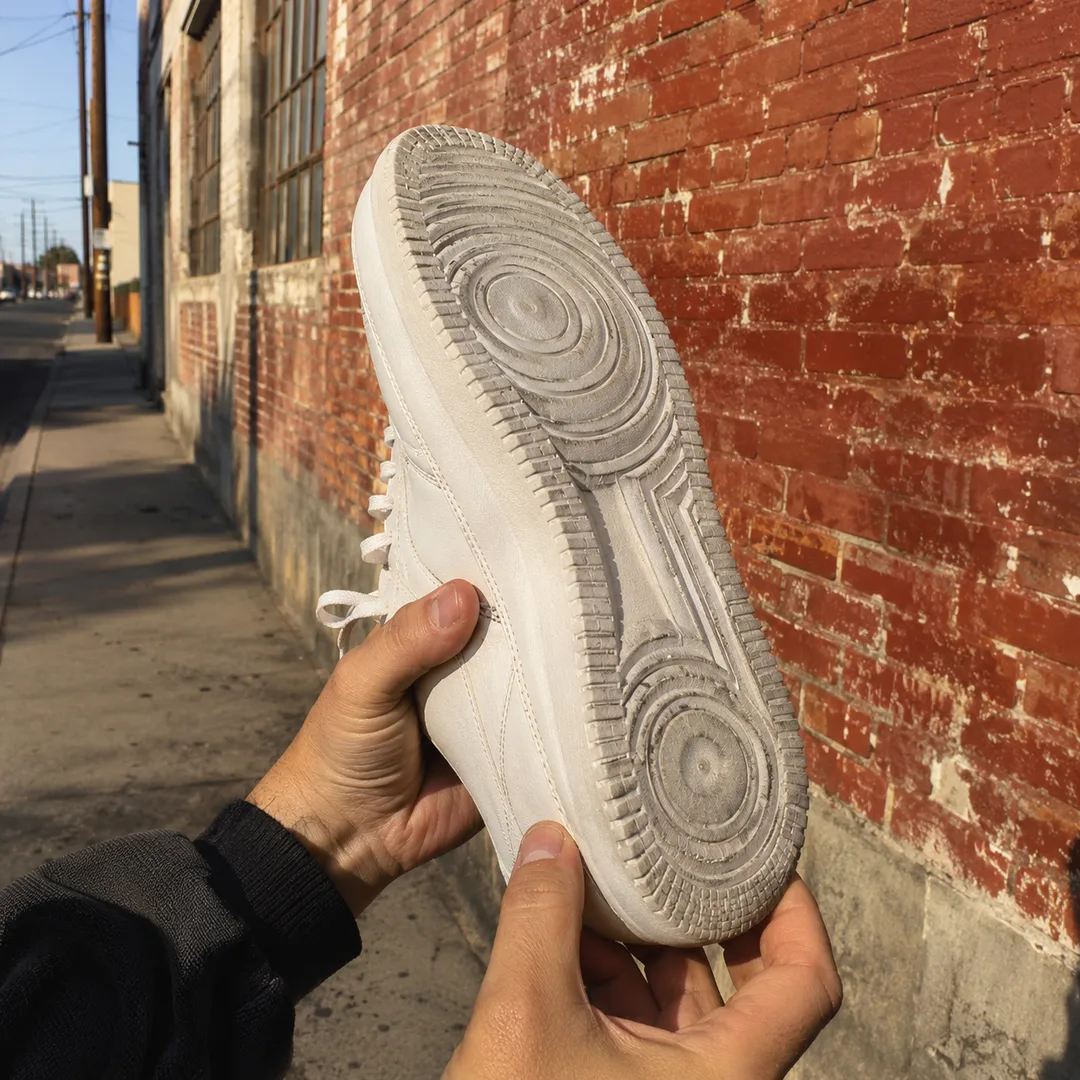
Start with the sole. Turn the shoe over and look at the tread pattern. Heavy wear at the heel or toe is easy to spot, but also look for yellowing on clear or icy soles and small cracks in the midsole foam. Press the midsole gently with your thumb. Old foam that has hardened or crumbled will not feel good on your feet no matter how clean the upper looks.
Then look at the upper in good light. Use your phone flashlight to check stitching along the toe box, the heel and the eyelets. Neat, even stitches are a good sign. Creasing across the toe box tells you the pair has been worn, and deep creases are harder to remove. Finally, check the inside: insoles, tongue labels and the heel lining should be intact and clean.
Boxes, Tags and Extras
For many collectors, the box matters almost as much as the shoe. An original box in good shape, with the matching size label, usually makes a pair more desirable. Extra laces, hangtags and dust bags add to the appeal. If you plan to resell someday, keep everything that came with the pair and store boxes flat and dry.
If a pair you love comes without its box, that is not a dealbreaker for wearing. It just means you should expect it to be priced and valued differently. Ask the shop how they handle pairs without boxes and whether they have any spare packaging.
A Break Among the Warehouses
The Arts District is spread out across wide streets and long blocks, so plan a proper break between shops. The neighborhood has plenty of coffee spots, breweries and casual restaurants in converted industrial buildings, many with outdoor seating. Find somewhere to sit, drink some water and review your size list.
Use the pause to look at what you have seen so far. Take photos of pairs you liked, compare them side by side on your phone and think about which one you would wear most often. Sneaker hunting can make you impatient, and stepping away for half an hour often makes the decision obvious.
Walking the Murals
Between shops, take the long way and look up. The Arts District is famous for its large murals and street art on warehouse walls, loading doors and alleys. Many artists have painted here over the years, and the walls change often as new work replaces old.
Sneaker culture and street art have always been close, so the walk feels like part of the crawl rather than a detour. Some people photograph their new pairs against a favorite wall as a small ritual. Just be mindful of residents and businesses, and stay off private loading docks and doorways when taking pictures.
Consigning Your Own Pairs
If you have shoes sitting in boxes that you no longer wear, bring two or three of your cleanest pairs along. Clean them gently with a soft brush and mild soap the night before, and stuff the toes with paper to help them keep their shape. Ask each shop how they handle consignment intake, how long pairs stay on display and what happens to unsold items.
Many shops are happy to tell you which models are in demand and which are moving slowly. Even if you decide not to consign that day, that conversation is valuable. It helps you understand which pairs in your collection hold their value and which ones you should simply enjoy wearing.
Streetwear Beyond the Shoes
Most sneaker consignment shops also carry streetwear: graphic tees, hoodies, jackets, caps and bags. Apply the same careful eye. Check the print on tees for cracking or fading, look inside hoodies for pilling and make sure zippers and snaps work smoothly.
Pay attention to fit, since streetwear sizing has shifted a lot over time. A hoodie from one era may be cut much boxier or shorter than a newer piece with the same size label. Try things on whenever you can and judge by how they look on you, not by the number on the tag.
Ending by the River
As the light fades, walk east toward the edge of the Arts District, where the Los Angeles River runs in its wide concrete channel and the bridges stretch across toward Boyle Heights. The view at golden hour, with the downtown towers behind you and the bridges glowing, is one of the most cinematic in the city.
Find a spot to sit and take stock. Look at your new pair, think about where you will wear it first and give yourself credit for a patient day. Sneaker hunting rewards people who walk away from almost-right pairs, and the ones you bring home will mean more for it.
Caring for Your Finds
Once you are home, give your new pairs a gentle clean and let them air out before wearing. Store them away from direct sunlight, which can yellow soles and fade colors over time. Shoe trees or simple paper stuffing will help them keep their shape between wears.
When you are ready to hunt again, open the Karpo APP and ask for sneaker and streetwear consignment shops around downtown Los Angeles, so you can plan a fresh loop around your size list. Over time, you will build a collection that reflects your taste and your patience, one carefully chosen pair at a time.
Ask Karpo for more information.
Keep reading
- Burbank Film Memorabilia Collector Shop Walk: Studio Stash
 Pasadena Film Memorabilia Collector Shop Walk: Classic Route
 Silver Lake Film Memorabilia Collector Shop Walk: Indie Lore