 Burbank Film Memorabilia Collector Shop Walk: Studio Stash
Hidden Gems & Odd Finds
Little Tokyo Comic Shop Crawl Planner for New Manga Readers
Plan a Little Tokyo comic shop crawl for new manga readers: learn to read right to left, choose a first series by mood and pause in a plaza with mochi and tea.
Walking into a manga section for the first time can feel like opening a door into a huge library with no map. There are hundreds of series, volumes that start on the wrong side and covers that all seem to promise something different. Little Tokyo, the historic heart of Japanese American life in Los Angeles, is a welcoming place to start. Between its bookshelves, plazas, temples and sweet shops, you can learn how manga works, pick a first series that fits your taste and enjoy a slow afternoon in a neighborhood with deep roots. This plan is written for complete beginners and the friends who want to bring them along.
Why Start in Little Tokyo
Little Tokyo has been a center of Japanese American community life for well over a century. It survived wartime removal, redevelopment pressure and decades of change, and it remains a place where families come for groceries, festivals, temples, museums and food. That history gives a manga crawl here a different feeling from browsing in a mall. You are learning about Japanese comics in a place shaped by Japanese American stories.
The neighborhood is compact and easy to walk, with plazas, small shops and quiet corners to rest. It is also connected to the Metro, with a station that serves both Little Tokyo and the nearby Arts District, so you can arrive without worrying about parking and make the day feel like a small trip.
Learn to Read Right to Left Before You Shop
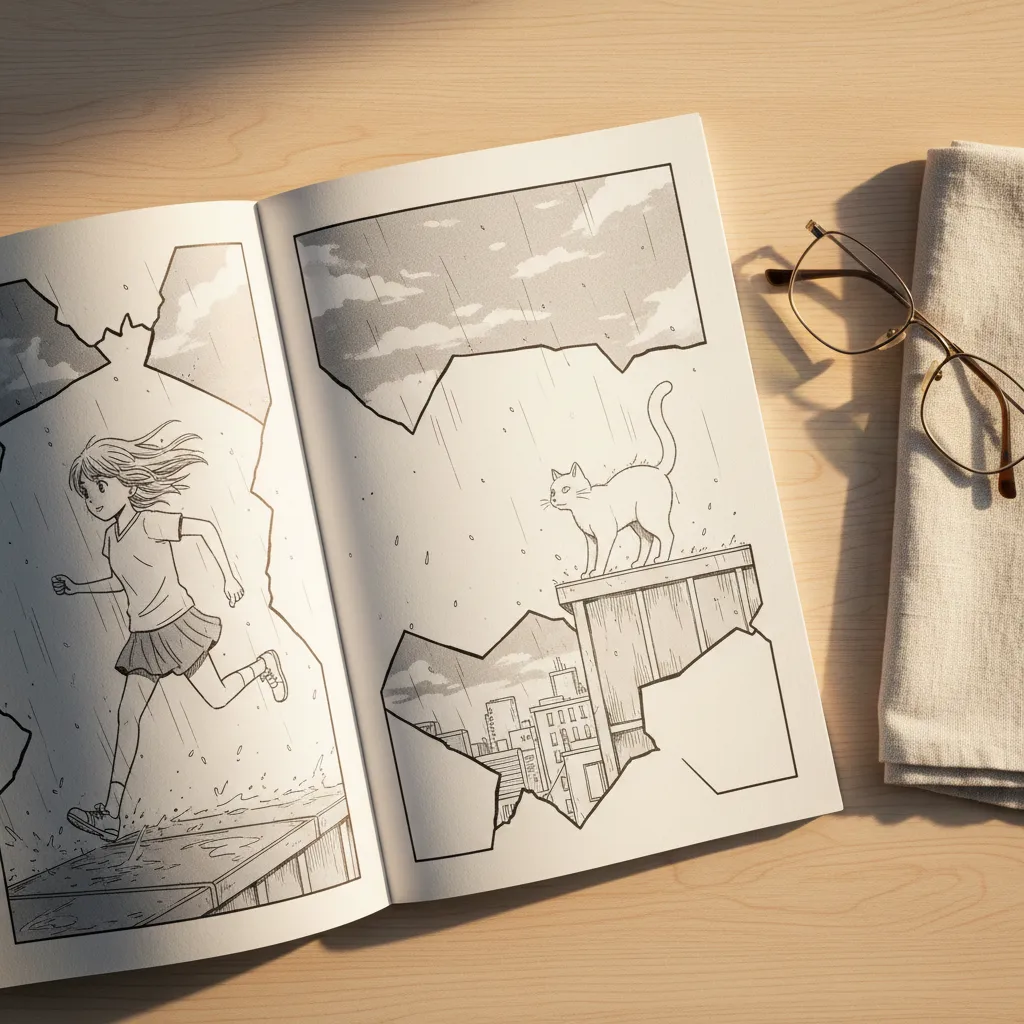
Most manga sold in English keep the original Japanese reading order. That means you open the book from what feels like the back, read the panels from right to left and move down the page in a zigzag. It sounds tricky, but most people adjust within a few pages. Many volumes include a small guide on the first page showing the reading direction.
Practice on the first book you pick up in a shop. Find the top right panel, then move left, then drop down to the next row and start again on the right. Speech balloons follow the same order. After a few minutes, your eyes will start to flow naturally, and you will notice how the layout guides you through action scenes and quiet moments alike.
Choose a First Series by Mood
Manga is often grouped by intended audience, with labels such as shonen for younger male readers, shojo for younger female readers, seinen for adult men and josei for adult women. These labels describe marketing, not rules, and anyone can enjoy any of them. A better way to choose is by mood. Do you want an exciting adventure, a gentle slice-of-life story, a mystery, a romance, a funny school comedy or something a little spooky?
Tell a shop worker the mood you want and one or two movies or shows you love. That is usually enough for them to suggest a strong first series. Read the first chapter in the shop if they allow it, and buy only the first volume. If you love it, you can come back for more. Starting with one volume keeps your budget small and your enthusiasm high.
Browsing Japanese-Language Shelves
Little Tokyo is home to shops that carry Japanese books and magazines, and some keep manga in Japanese alongside translated editions. Even if you cannot read Japanese, the shelves are fascinating. You can see how Japanese editions are printed, compare cover designs and spot new volumes of series that are still being translated. Magazines that publish manga in weekly or monthly chapters are thick, colorful and fun to flip through.
Treat these shelves with care. Some books are wrapped in plastic, and staff may prefer that you do not open them. If you are curious about a volume, ask politely. Learning a few words of Japanese, such as arigato gozaimasu for thank you, is a kind gesture in a neighborhood that values courtesy.
Taking a Break in the Plazas
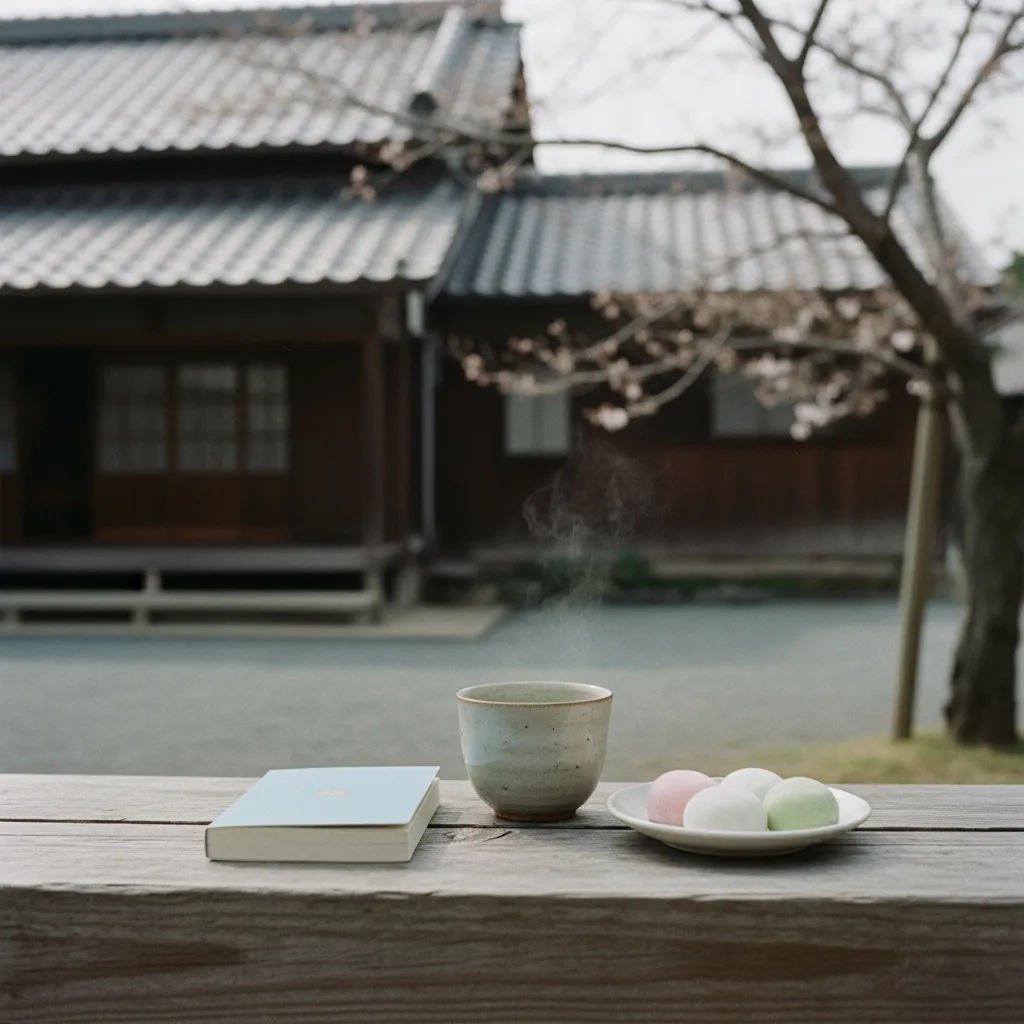
Japanese Village Plaza, with its walkway lined with small shops and restaurants, is a pleasant place to pause between stops. Look for sweet shops selling mochi, treats filled with sweet bean paste or ice cream, and small bakeries with Japanese style breads. Find a bench and read the first few pages of your new volume while you snack, keeping the book away from anything sticky.
A short walk away, the Japanese American National Museum and the plaza nearby tell the story of Japanese Americans in the United States, including the forced removal and incarceration during the Second World War. Spending some time there adds depth to your day and helps you understand why Little Tokyo matters so much to the community that built it.
Temples, Gardens and Quiet Corners
Little Tokyo has Buddhist temples and a Japanese garden that offer calm spaces in the middle of the city. If you visit a temple, be respectful: speak softly, follow posted rules and avoid photographing people who are praying. A quiet garden is an ideal place to sit with a new book, especially if you chose a gentle slice-of-life series that rewards slow reading.
These pauses help the day feel balanced. Instead of rushing from shop to shop, you can let one story sink in before you look for the next. Many readers remember where they read the first chapter of a favorite series, and a peaceful spot in Little Tokyo makes a lovely memory.
Anime Goods, Figures and Character Shops
Around the neighborhood you will find shops selling figures, plush characters, keychains and other goods linked to anime and manga. They are fun to browse and can help you see which series are loved by fans right now. If a character keeps catching your eye, ask about the manga it comes from. Merchandise can be a surprisingly good guide to stories worth reading.
Decide on a small budget for goods before you start, because cute and collectible items add up fast. If you want a souvenir, choose something practical like a bookmark or a book cover sleeve. Book covers are common in Japan and help protect your manga while you carry it around the city.
Who This Crawl Suits
This plan is made for curious beginners, parents whose kids have started reading manga and want to understand it, partners of longtime fans and anyone who has watched anime and wants to try the source stories. It also suits visitors to Los Angeles looking for a cultural afternoon that blends reading, history and food.
Longtime collectors searching for rare volumes or specific editions might want a more targeted plan. Groups with mixed experience can still enjoy this route by pairing a fan with a beginner, so the fan can share favorites while the beginner asks fresh questions.
Practical Notes for Little Tokyo
Wear comfortable shoes and bring a bag that protects books from bending. Small shops can be busy on weekends, especially during festivals, so pick a weekday if you want space to browse and chat with staff. Shop schedules can shift, so a quick look before you leave home saves a wasted walk.
Keep snacks and drinks away from books, and wash your hands after eating sticky sweets. Respect the community spaces, temples and museum areas, and remember that Little Tokyo is a living neighborhood, not only a destination. Support the small businesses that keep it going by buying a sweet or a book when you can.
Find Your First Volume with Karpo
A Little Tokyo manga crawl gives a beginner a first series, a new reading habit and a deeper sense of the neighborhood. Open the Karpo APP to find manga and comic shops near your Metro stop, save the ones that match the mood you want and plan a walk that leaves time for a sweet and a quiet chapter.
Ask Karpo for more information.
Keep reading
- Burbank Film Memorabilia Collector Shop Walk: Studio Stash
 Pasadena Film Memorabilia Collector Shop Walk: Classic Route
 Silver Lake Film Memorabilia Collector Shop Walk: Indie Lore