 Burbank Film Memorabilia Collector Shop Walk: Studio Stash
Hidden Gems & Odd Finds
Echo Park Comic Shop Crawl Planner for Sketchbook Artists
Plan an Echo Park comic shop crawl as a cartoonist: browse small-press shelves, ask about zine racks, sketch by the lake and swap minicomics with new friends.
Most comic shop crawls are built around buying. This one is built around drawing. If you keep a sketchbook in your bag and dream of making your own comics, Echo Park is a friendly place to spend a slow afternoon learning from the shelves, talking with people who love the form and sitting by the lake to put pencil to paper. The neighborhood has long drawn musicians, painters and printmakers, and that do-it-yourself spirit carries into the way small comics and zines are shared here. Use this plan to turn a browse into a working day for your own pages.
Why Echo Park Suits a Drawing Crawl
Echo Park sits on hills above the lake, close to Silver Lake and downtown, and its streets mix old bungalows, stairways, murals and small storefronts. Creative people have lived and worked here for generations, and the neighborhood still feels like a place where someone might hand you a photocopied booklet they made last week. That culture matters for a cartoonist, because the best lessons often come from small, personal work rather than glossy hardcovers.
The walkable stretch along Sunset Boulevard and the side streets near the lake give you a loop that is easy to do on foot. You can browse, stop to draw, eat, browse again and finish at the water. Nothing here needs a car once you arrive, which keeps the day relaxed and leaves your hands free for a pen.
Pick Your Learning Goal Before You Go
Decide what you want to study before the first shop. Maybe you want to learn how artists pace a quiet scene with no dialogue. Maybe you are stuck on lettering, or you want to see how a short story fits into eight tiny pages. Write the goal at the top of a fresh page in your sketchbook. It turns browsing into research and stops the afternoon from drifting into an expensive pile of impulse buys.
A clear goal also gives you an easy way to start conversations. Asking a shop worker for books with strong silent sequences or unusual panel layouts is far more fun for both of you than asking what is popular. People who work in comic shops tend to have strong opinions, and a specific question invites them to share the books they love most.
Reading the Small-Press Shelves Like a Cartoonist
When you find the small-press or indie section, slow down. Pull a book, open it to the middle and look only at the shapes on the page before you read a word. Notice how many panels sit on each page, where the white space falls and how the artist leads your eye from one moment to the next. Then read a few pages and see if the layout matches the mood of the story.
Keep your sketchbook open while you browse, with permission and away from the books themselves. Thumbnail a layout you admire as a tiny grid of boxes, with arrows and notes about what makes it work. Never trace or photograph whole pages. The goal is to understand a choice, not to copy it, and quick thumbnails train your eye far better than a camera roll ever will.
Ask About Zine Racks and Local Makers
Many independent shops and bookstores in this part of Los Angeles keep a rack of zines and minicomics by local makers, sometimes sold on consignment. These are often the most inspiring items in the room, because they show what one person can make with a pen, a copier and a stapler. Ask whether the shop carries local work and how makers get their books onto the rack.
Buy one or two zines that surprise you rather than ones that look polished. Read them later by the lake and pay attention to how much story fits into so few pages. If the maker included a contact line or a social handle, consider sending a short note about what you liked. Small creators remember kind words, and that is how many local comics friendships begin.
A Midday Drawing Break by the Lake
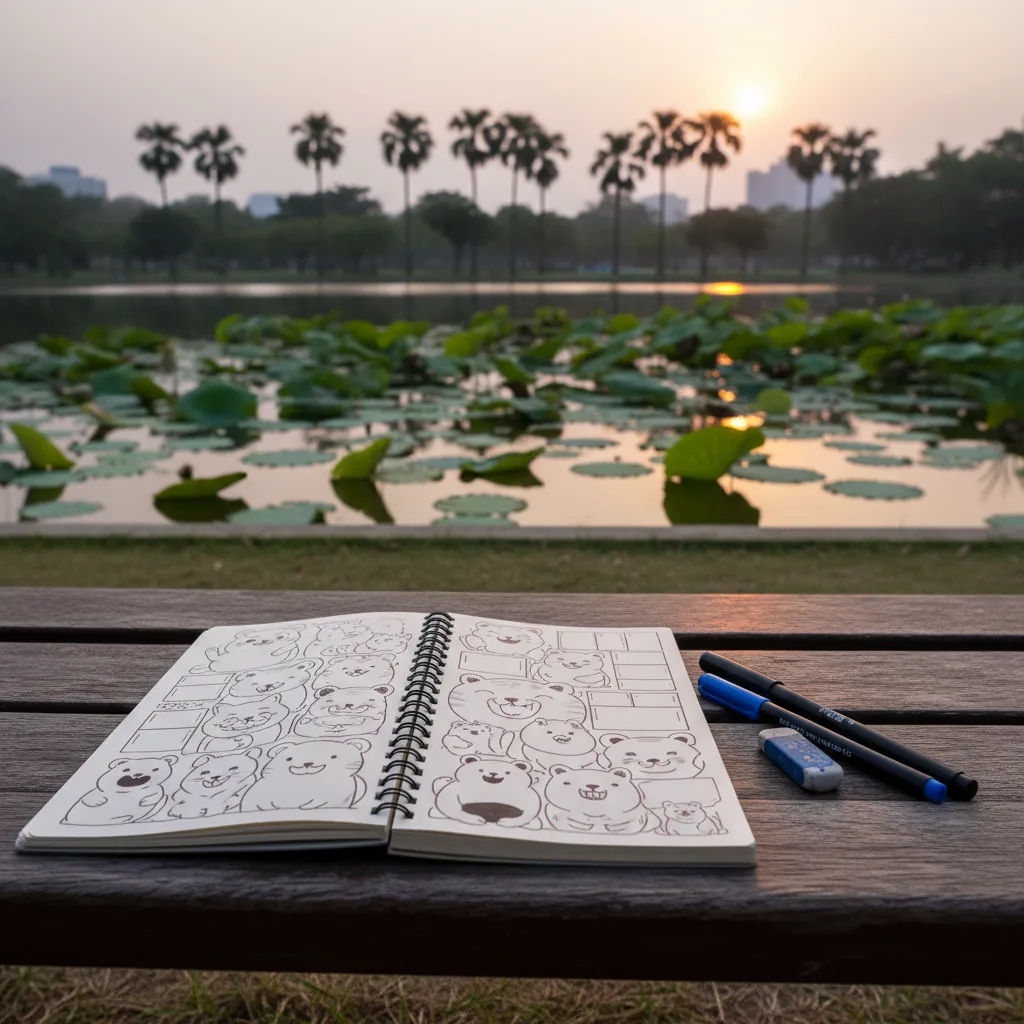
After a shop or two, walk down to Echo Park Lake. The path around the water is flat and shaded in places, with benches facing the lotus beds, the fountain and the boathouse. Find a seat with a view and spend a solid stretch of time drawing. Sketch the ducks, the paddle boats, the palm trees or the people walking past, then try turning one of those sketches into a three-panel joke.
Drawing from life right after studying comics is a powerful combination. The layouts you thumbnailed are still fresh in your mind, and the real scene gives you something to apply them to. If you feel stuck, set a small challenge: draw the same duck in close-up, medium and wide shots, then decide which order tells the funniest tiny story.
Bring Minicomics to Trade
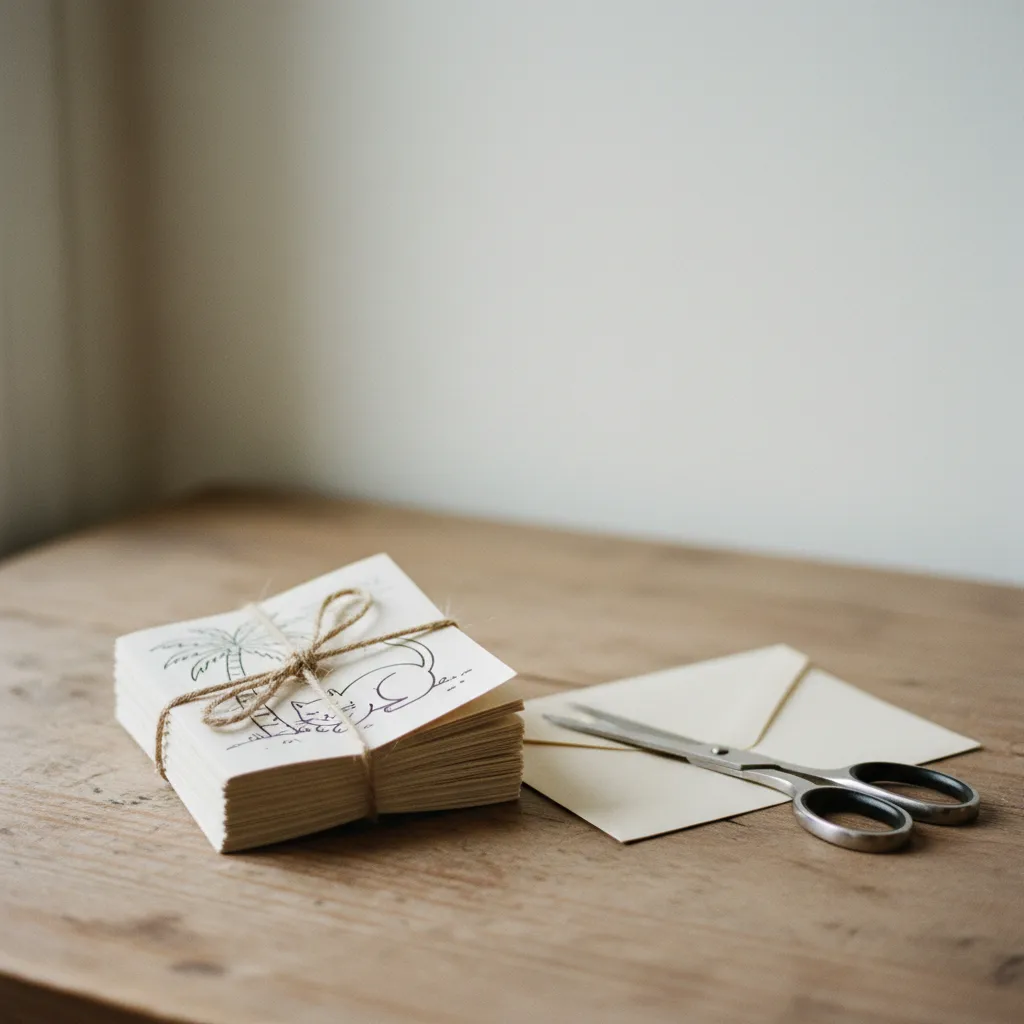
If you have made even one small comic, bring a few copies. A single sheet folded into an eight-page booklet is enough. Comic people love trades, and having something to offer changes how you move through the day. You become a fellow maker instead of only a customer, and you may come home with work you could never find on a shelf.
Be gentle about it. Offer a trade only after a friendly conversation, and never push your booklet onto a busy counter. Some shops may welcome a copy for their staff to read, while others prefer that makers ask about consignment through proper channels. Either way, a small stack of handmade comics in your bag makes the crawl feel like a meeting of neighbors.
Food and Coffee Stops That Keep Pages Clean
Echo Park has plenty of cafes, taquerias and bakeries along and near Sunset, so fuel is easy to find. Choose food you can eat with clean hands, and step away from your sketchbook while you eat. Grease and coffee rings ruin paper fast, and they ruin new comics even faster. Keep purchases in a separate bag from anything wet.
A cafe table is also a good place to review your notes. Look over the thumbnails you drew in the shops and circle the one idea you most want to try at home. Writing down a single next step makes it far more likely you will actually draw that page tomorrow instead of letting the inspiration fade.
Who This Crawl Is For
This plan suits art students, hobby cartoonists, zine makers, illustrators who want to try sequential work and anyone who has filled a sketchbook with characters but never put them in panels. It also works for a pair of friends who want to draw together, or for a parent and teen who share a love of comics and want a creative day out.
It is less suited to collectors hunting rare back issues or anyone in a hurry. The pace is slow on purpose. You will spend more time looking and drawing than shopping, and that is the point. If you want a deep back-issue dig, save it for another day and another plan.
Practical Notes for a Sketchbook Crawl
Pack a small sketchbook, two or three pens, a pencil, an eraser and a sturdy bag that keeps books flat. Bring water and sunscreen for the lake. Check shop details before you go, since independent stores keep their own schedules, and visit on a quieter weekday if you want time to talk with staff.
Be polite with books: wash your hands before browsing, hold comics by the edges and put them back where you found them. Ask before drawing inside any shop. Echo Park has hills, so wear comfortable shoes if you plan to walk the stairways after the lake. Most of all, leave room in the day for wandering, because the best discoveries in this neighborhood rarely come from a list.
Start Your Next Page with Karpo
A drawing crawl in Echo Park ends with a fuller sketchbook, a few new zines and a clearer idea of the comic you want to make. Open the Karpo APP to find comic shops and bookstores near your starting point, save the ones that fit your goal and plan a route that leaves time to sit by the water and draw.
Ask Karpo for more information.
Keep reading
- Burbank Film Memorabilia Collector Shop Walk: Studio Stash
 Pasadena Film Memorabilia Collector Shop Walk: Classic Route
 Silver Lake Film Memorabilia Collector Shop Walk: Indie Lore