 Eagle Rock Comic Shop Crawl Planner for Parents and Teens
Hidden Gems & Odd Finds
Boyle Heights Comic Shop Crawl Planner for Bilingual Readers
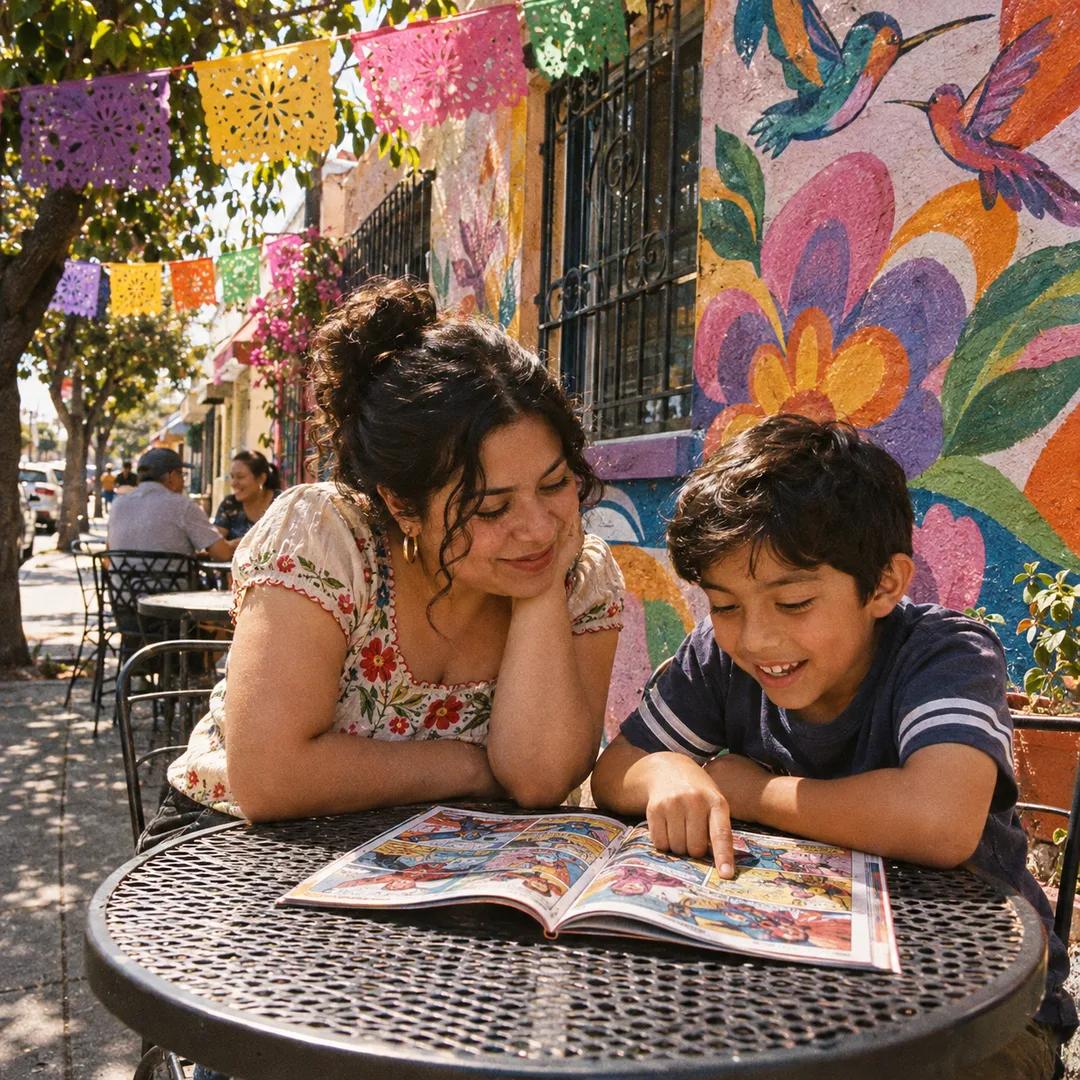
A Boyle Heights comic shop crawl planner for families raising bilingual kids: hunt Spanish and English comics, walk the murals and read together in the park.
Plenty of parents in Los Angeles want their kids to keep the Spanish they hear from grandparents, but worksheets rarely win against a phone screen. Comics often do. A speech bubble is short, the pictures carry the meaning, and a funny panel makes a child want to know exactly what that character just said. This comic shop crawl planner turns that idea into a Saturday in Boyle Heights, a neighbourhood where Spanish and English share the same sidewalks, murals and shop counters.
Why Comics Work for a Second Language
Children learning a heritage language often understand far more than they speak. They follow conversations at family dinners but freeze when asked to read. Comics close that gap gently. Each panel gives a picture clue, so a kid can guess the meaning of a new word before anyone explains it, and the dialogue feels like real speech rather than textbook sentences.
There is also a long tradition behind this. Across Mexico and Latin America, generations grew up with cheap weekly historietas sold at newsstands, from family humour to wrestling heroes and melodrama. Many abuelos in Boyle Heights still remember those pocket comics. Bringing a child into that world is not only language practice, it is a way of handing down a piece of family culture that once lived in every corner shop.
Set One Small Goal for the Day
A crawl like this goes best when the goal is clear and modest. Decide together that each of you will find one comic in Spanish and one in English, or that the child will choose a book and teach the parent five new words from it by the end of the day. Small targets keep the outing playful rather than turning it into homework with a bus pass.
Think about level as well. Younger readers do best with picture heavy stories and short dialogue, such as animal adventures or school comedies. Older kids may be ready for translated manga or superhero stories they already know in English, because the familiar plot lets them focus on the new language. A parent who knows the child's favourite characters can steer the search far better than any list.
Planning the Route With the Karpo APP
Open the Karpo APP and describe the Saturday you have in mind, for example a family walk around Boyle Heights with comic or book shops that carry Spanish titles, a mural stroll, a snack stop and a park to read in afterwards. Karpo suggests places that suit that request and pulls together what other visitors have said about them, which helps you notice which shops keep bilingual shelves and which lean toward collectors.
You can also widen the plan if the neighbourhood itself has only a couple of fitting stops. Boyle Heights sits a short hop from Little Tokyo and the Arts District on the Metro, so a family might begin there and ride east, or start in the neighbourhood and save the larger shops for another weekend. Keep the final list to two or three places so nobody gets tired before the reading part begins.
Walking the Murals on the Way
Boyle Heights is famous for its painted walls. Murals on schools, markets, housing blocks and corner stores tell stories about migration, labour, faith, family and local heroes. For a child learning to read comics, these walls are a perfect warm up. Stop in front of one and ask what story it tells, which figure is the main character and what might happen next.
Some murals include words in Spanish, which turns the walk into a reading game. Let the child sound out a phrase and guess its meaning from the images around it. Point out how artists use colour, scale and repeated shapes to guide the eye, the same tools comic artists use across a page. By the time you reach a shop, the kid is already thinking in panels.
Browsing Spanish and English Shelves Side by Side
Inside a shop, ask the staff where they keep Spanish language titles. Some places have a dedicated shelf, others mix translated editions among the regular stock, and some carry imported comics from Mexico, Argentina or Spain. Staff in a neighbourhood like this often have strong opinions about which series work for beginners, so let your child ask the question if they feel brave enough.
A helpful trick is to look for a story that exists in both languages. Reading the same page in English and then in Spanish lets a child compare phrases directly, which is how many bilingual adults say they picked up idioms and slang. Do not worry if the Spanish version uses regional words that differ from what the family says at home. Those differences make good conversation.
A Snack Break at the Plaza
Mariachi Plaza is one of the neighbourhood's best known gathering spots, with its bandstand, Metro station entrance and musicians who sometimes wait nearby in traditional suits. It is a lively place to pause between shops. Pick up a fruit cup, an agua fresca or something warm from a nearby stand or panadería, and use the break to flip through what you have found so far.
Turn the snack into a small game. Each person reads one speech bubble aloud in Spanish, and the other has to act it out. Children usually love watching a parent overact a villain's threat or a goofy sidekick's complaint. These silly moments help the language stick far better than drills, and they turn the comics into shared jokes the family can repeat at home.
Reading Together in Hollenbeck Park
Finish the crawl with a quiet read in Hollenbeck Park, a green space with a lake, old trees and plenty of shaded lawn. Spread a blanket, take out the new comics and let the child pick which one to read first. A parent can read one page aloud, then hand the book over for the next, switching languages each time if it feels natural.
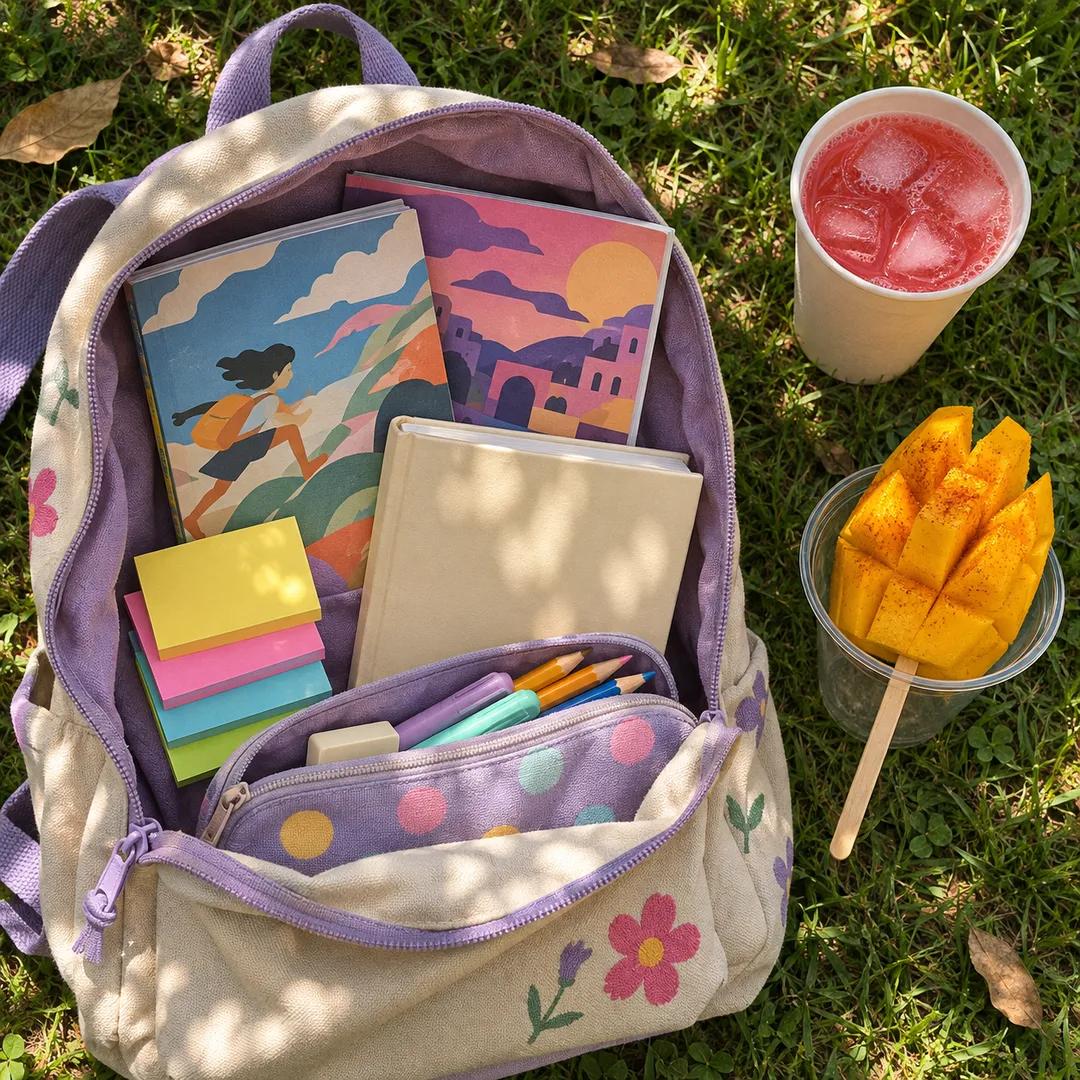
Sticky notes are useful here. Each time the child finds a word they did not know, they mark it and write a quick guess at the meaning. At home, check the guesses together. Many families find that this small habit continues long after the trip, with kids adding notes to every new comic they read.
Keeping the Habit Going
One Saturday will not make a child fluent, but it can change how they feel about reading in Spanish. Plan a return visit in a month to pick up the next volume of a series they enjoyed. Having something to look forward to builds momentum, and a child who expects the next instalment will often practise without being asked.
Share the finds with grandparents as well. An abuela who sees a grandchild reading a story in Spanish may have her own memories of weekly comics to pass on. That exchange, between the old newsstand era and a modern graphic novel shelf, is exactly the kind of bridge this crawl is meant to build.
Ask Karpo for more information.
Keep reading
- Eagle Rock Comic Shop Crawl Planner for Parents and Teens
 Sawtelle Comic Shop Crawl Planner for a Student Anime Club
 Larchmont Comic Shop Crawl Planner for Story Scouts at Lunch