 Sawtelle Bowling Group Night Planner for a College Reunion
Sports Social

West Hollywood Bowling Group Night Planner for a Queer Mixer
Hosting an LGBTQ+ singles mixer in West Hollywood? Rotate players between lanes, hand out easy openers and let the night drift to the boulevard.
A West Hollywood bowling group night planner is a smart tool for anyone hosting a queer social or singles mixer. Bars are loud, dating apps are tiring, and a lot of people want a way to meet new faces where there is something to do with their hands besides holding a drink. Bowling gives everyone a reason to talk, a reason to cheer and an easy exit from any conversation that is not working. West Hollywood has long been one of the heart neighborhoods of LGBTQ+ life in Los Angeles, which makes it a natural place to start a night like this, with the boulevard and its patios waiting once the last frame is done. This guide covers how to set up lane rotations, welcome first-timers, keep things friendly and let the night continue on its own.
Why a Lane Beats a Bar for Meeting People
At a bar, meeting someone new depends on courage. You have to walk up, find an opener and hope the music is quiet enough to hear the answer. On a bowling lane, the opener is built in. Someone throws a gutter ball, and the whole lane groans together. Someone gets a strike, and strangers jump up to high-five. The game creates small shared moments every few minutes, and those moments are where conversations begin.
Bowling also takes the pressure off. Nobody is sitting face to face across a tiny table. People sit side by side, watch the pins and chat between turns. For shy guests or anyone new to the city, that format feels much safer than a crowded dance floor.
Set Up a Lane Rotation
The heart of a mixer is movement. Split guests into lanes of five or six, then rotate a few people every three frames. A simple method is to give everyone a colored wristband and a number at check-in. After the third frame, the host calls out a color, and everyone wearing it moves one lane to the right. After the sixth frame, a different color moves. By the end of a game, most guests have bowled with most of the room.
Keep the rotation simple enough that nobody needs to think about it. Write the order on a small whiteboard or card at each lane, and let a volunteer call the moves with a bit of drama, like a game show host. If two people are clearly hitting it off, nobody will mind if they swap wristbands to stay together. The rotation is there to start conversations, not to break them up.
To find a lane that can take a group and leave space for people to mingle, open Karpo APP and describe the plan, for example "queer singles mixer, about thirty people, bowling near West Hollywood, want a lounge area and a fun crowd nearby." Karpo collects nearby lanes and group-friendly spots, so you can compare a few options before you send out the invitation.
Welcome First-Timers
Some guests will arrive alone and nervous. Station one or two friendly volunteers at the entrance to say hello, hand out wristbands and walk new arrivals to a lane. A quick introduction to two or three people makes all the difference. Ask volunteers to keep an eye on anyone who seems left out, and to pull them into a conversation or a team cheer.
Make it clear in the invite that everyone is welcome, whatever their dating status. Some people come looking for romance, some for new friends and some just to get out of the house. When guests know there is no pressure, they relax, and relaxed people are much easier to meet.
Easy Conversation Starters
Give guests something to talk about besides work. Print a small card for each lane with a few playful prompts, like the first concert you ever went to, the best brunch you have had in Los Angeles or the song you would choose as your walk-up music. Ask each bowler to answer one prompt before their first throw after every rotation. It sounds cheesy, but it works, and it gets people laughing right away.
You can also add a walk-up song game. Before each turn, the bowler calls out their song, and the lane has to hum the first line. Bonus points for anything from a diva, a musical or a karaoke classic. It is silly, it is loud and it turns strangers into friends quickly.
For guests who would rather listen than talk, give them a job. Someone can keep score on paper, someone can run the lane playlist and someone can hand out the small prizes. Having a role is a quiet way to belong, and many shy guests open up once they feel useful to the group.
Keep It Kind
A mixer works best when everyone feels respected. Remind guests at the start that the night is about fun and meeting people, and that consent and kindness matter. Ask people to use the names and pronouns others share on their wristbands or name tags. Have a host or volunteer that guests can quietly approach if anything feels off.
Keep the competition light, too. Most guests will not be expert bowlers, and that is fine. Celebrate the best celebration dance, the most dramatic gutter ball and the strongest comeback, not just the highest scores.
Let the Night Drift On
When the last game ends, do not force a big group plan. Instead, mention two or three nearby spots along the boulevard where people can keep talking, and let guests decide where to go. Some will head out in small groups, some will pair off and some will head home happy. That natural spread is a sign the mixer worked.
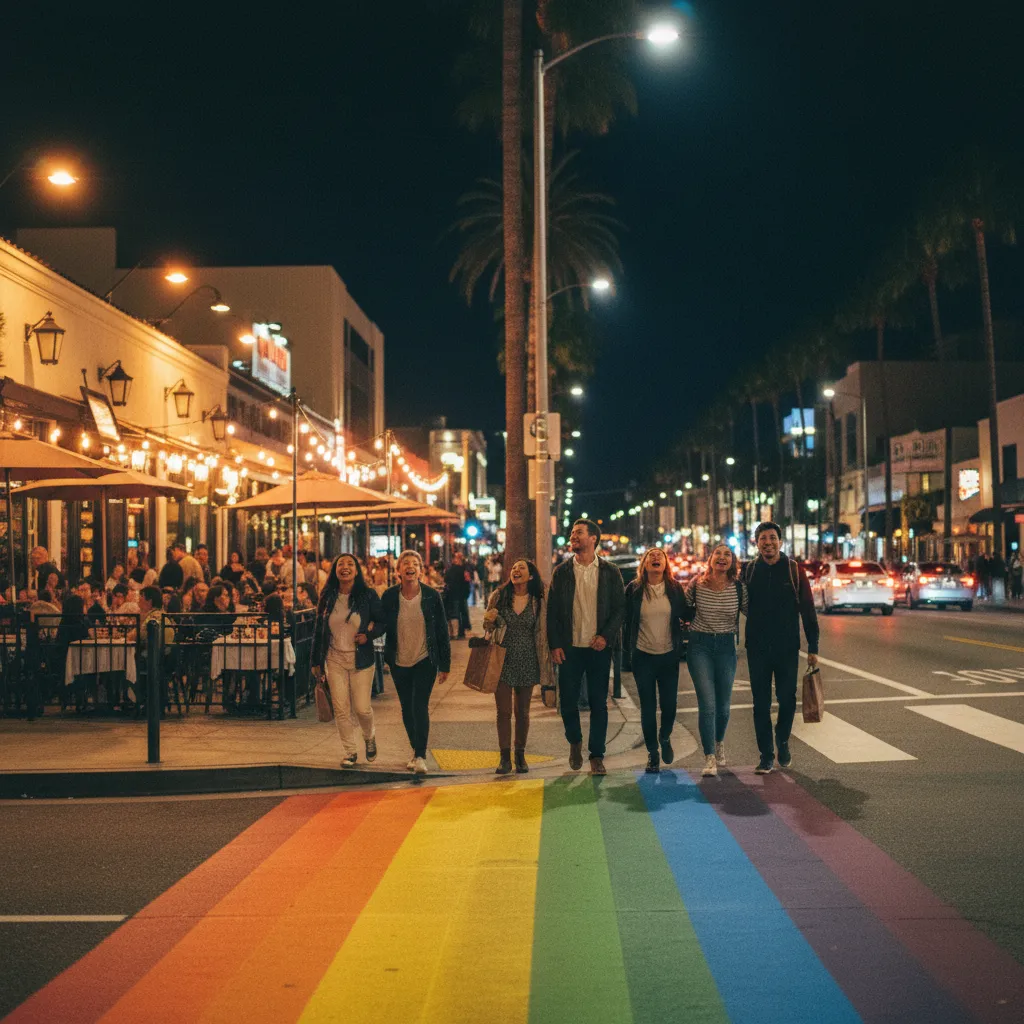
West Hollywood is very walkable, so a short stroll down the boulevard is an easy way to keep the energy going. Remind guests to plan rides home ahead of time and to look out for each other on the way.
Before people leave, the host can share a simple way to stay in touch, like a group chat link on a small card. That way, guests who did not swap numbers in the moment can still find each other later without any awkward pressure at the door.
Make It a Regular Night
If the first mixer goes well, make it a monthly event. Create a group chat or a simple sign-up list so people can hear about the next one. Rotate the conversation prompts, add a theme now and then, like a retro night or a team color night, and invite guests to bring a friend. Over time, the mixer becomes a small community of its own, and the people who first met on a lane become the ones who welcome the next round of newcomers at the door.
Ask Karpo for more information.
Keep reading
- Sawtelle Bowling Group Night Planner for a College Reunion
 Larchmont Bowling Group Night Planner for Carpool Parents
 Boyle Heights Bowling Group Night Planner for a Quince Court