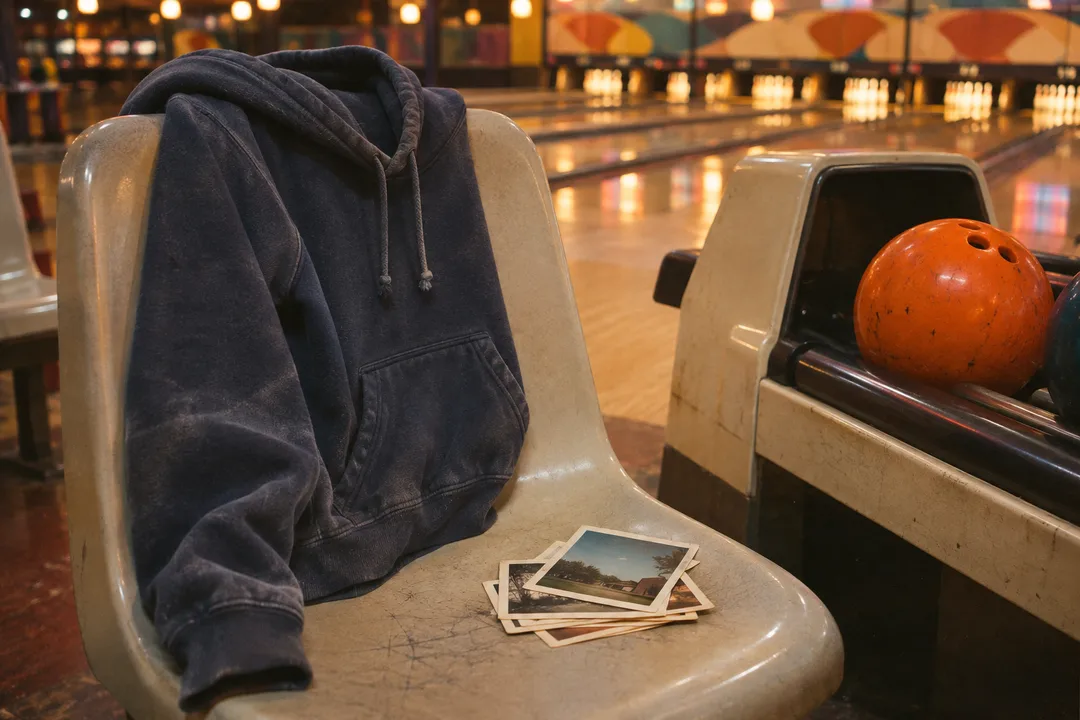
 Sawtelle Bowling Group Night Planner for a College Reunion
Sports Social
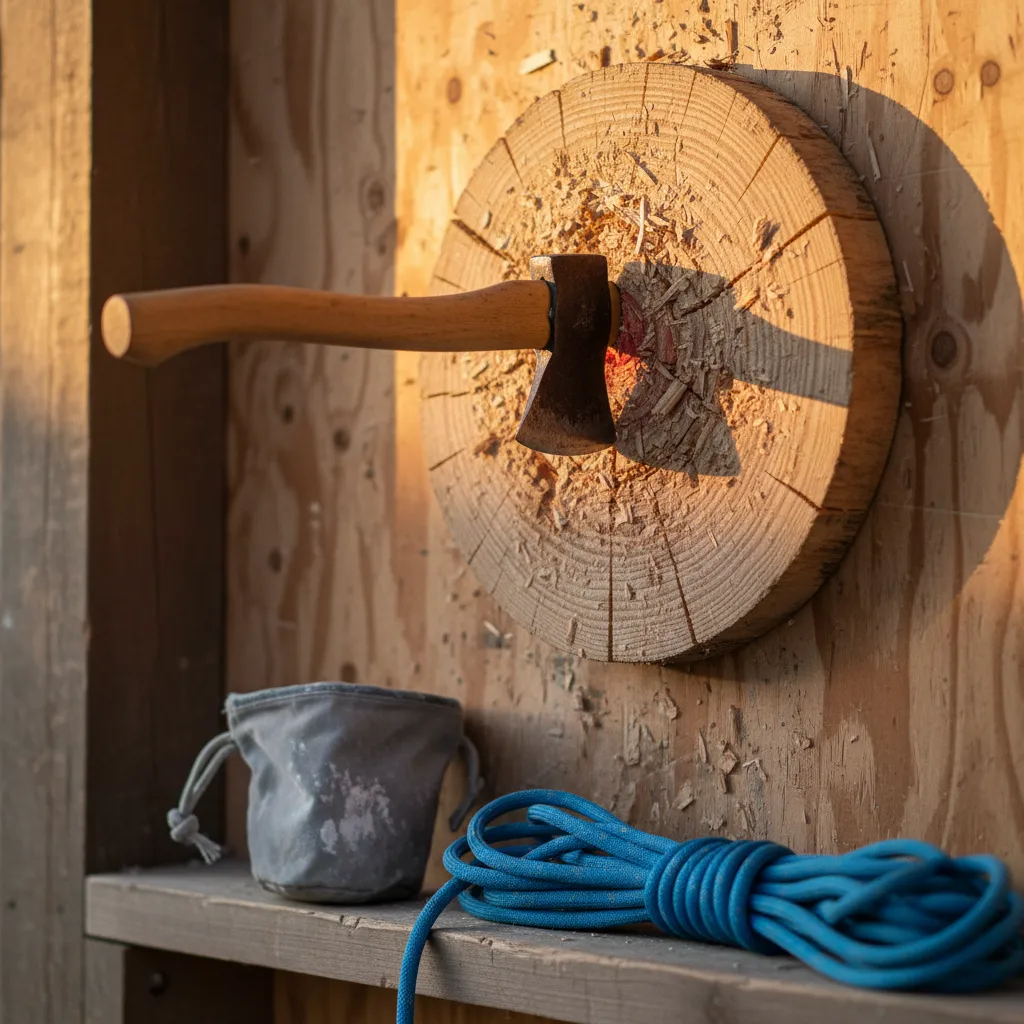
Silver Lake Axe Throwing Group Night Picker: Climb Crew
Give your bouldering crew a rest day that still feels like a send: plan a Silver Lake axe night with climbing-style games, then cool down on the reservoir loop.
A Silver Lake axe throwing group night picker is the answer when your climbing crew is forced to take a rest day and nobody wants to sit on the couch. You know the feeling. Your fingertips are raw, your forearms are pumped from three sessions in a row and the coach in your head says to stay off the wall. But the group chat is buzzing anyway, because the people you climb with have become the people you want to see. An axe night keeps the spirit of a session alive without touching a single hold. There is a target to project, technique to dial in, beta to share and a crew yelling encouragement from behind the line. Silver Lake suits this kind of evening, with its hilly streets, coffee-fueled energy and the reservoir loop waiting for an easy cooldown. This guide covers how to plan the outing, turn climbing habits into games and keep tired hands safe.
Why Climbers Take to Axe Throwing
Climbers love a problem they cannot solve on the first try. Axe throwing gives the same loop of attempt, adjust and attempt again. One throw bounces off, the next one sticks a little high and then suddenly the blade bites the bullseye. That moment feels a lot like finally sticking the crux move.
It also gives climbing friends a way to hang out that is not about grades. Nobody cares who climbs harder when everyone is a beginner at the line. The strongest climber in the group might struggle with release timing, while the person who usually belays might turn out to be a natural.
Planning Around a Rest Day
Pick a night when most of the crew has a planned rest day, ideally after a hard session rather than before one. Throwing is mostly a full-body swing, so it is gentle on fingers, but anyone nursing a shoulder or elbow tweak should check in with their own body and sit out a round if it complains.
Use the same group chat you use to coordinate gym sessions. Drop the idea, ask for a show of hands and pick a time when people can arrive without rushing across town. A crew of four to ten is easy to manage on two lanes.
What to Look For in a Venue
When you compare places, ask whether they can keep your group on neighboring lanes and whether a coach will run the session. A good coach is like a patient route setter, explaining the basics clearly and spotting small changes that make a big difference.
Climbers often show up in approach shoes or sneakers, which works well since closed-toe footwear is expected. Look for a place with seating near the lanes so people can rest between throws, rehydrate and talk through technique the same way they talk through a boulder problem.
Climbing Games on the Lanes
After the coach covers the safety rules and everyone takes a few practice throws, try games built around climbing culture. Start with a flash round. Each person gets one throw only, and a stick on the first attempt is a flash. Write down every flash in the group chat for bragging rights.
Next, set a project. The group picks a hard target, such as a small ring or a corner spot, and everyone works on it over several rounds, sharing beta between turns. Finish with a grade ladder, where the targets get smaller each round and teams name each level after climbing grades. Calling a bullseye a send gets a laugh every time, and the group starts using climbing slang for every throw.

Beta for First-Time Throwers
Most coaches start new throwers with a two-handed grip. Stand square to the target, lift the axe straight overhead and swing forward in a single smooth motion, releasing when your arms are level with the board. It is less about strength and more about rhythm, which climbers will recognize from moving efficiently on the wall.
If the axe hits handle first, take a small step closer or farther away. Make one change at a time, just like adjusting a foot placement, and the throws will start sticking. Ask the coach for feedback instead of muscling through.
Keeping Hands and Each Other Safe
Climbers already know the value of clear communication, and the lanes run on the same idea. One person throws at a time, everyone else stays behind the line and nobody steps forward until every axe is still. Call out before you walk up to retrieve, the way you would say climbing before leaving the ground.
Leave drinks at the table, carry axes with the blade pointed down and keep chalky or sweaty hands dry so the grip stays secure. Follow the coach's instructions throughout, and the night will feel as relaxed as a good session.
A Cooldown Walk Around the Reservoir
If the group meets earlier in the evening, start or end with a loop around the Silver Lake Reservoir. The paved path is flat and easy, with views of the water, hillside homes and palms catching the late light. It works as a gentle warm-up for stiff shoulders or a cooldown after the lanes.
Walking the loop together gives the crew time to talk about more than training. Ask about upcoming trips, favorite outdoor crags or the route someone has been stuck on for weeks. It is the kind of easy conversation that rarely happens between attempts at the gym.
Refueling on Sunset Junction
After throwing, head to the cluster of restaurants and cafes around Sunset Junction for food. Climbers tend to arrive hungry, so look for spots with hearty plates, big bowls or tacos that are easy to share. Silver Lake has a laid-back, creative dining scene that suits a group in hoodies and sneakers.
Pick a table big enough for the whole crew and keep the conversation going. Replay the best throws, argue about who really flashed the final round and start planning a weekend trip to climb outdoors once everyone's fingers have healed.
Making It Part of the Training Cycle
Some crews turn the axe night into a regular rest-day tradition. Hold it at the end of a training block or after a big outdoor trip, and track flashes and projects over time. The same people who push each other on the wall will happily push each other at the line.
Most importantly, it gives the group a reason to see each other when they are not training. That is how a gym crew becomes a group of real friends who show up for each other on and off the wall.
Getting Ideas With Karpo
When the crew needs suggestions, ask Karpo in the Karpo APP about axe throwing lanes that welcome groups, places to eat near Sunset Junction or the easiest way to fit a reservoir walk into the evening. Use the ideas to narrow the options, then confirm the details with each venue directly.
Ask Karpo for more information.
Keep reading
- Sawtelle Bowling Group Night Planner for a College Reunion
 Larchmont Bowling Group Night Planner for Carpool Parents
 Boyle Heights Bowling Group Night Planner for a Quince Court