 Sawtelle Bowling Group Night Planner for a College Reunion
Sports Social
Chinatown Axe Throwing Group Night Picker: Kung Fu Class
Take your kung fu classmates from the training hall to the lanes: plan a Chinatown axe night built on stance and breath, then share a late meal under lanterns.
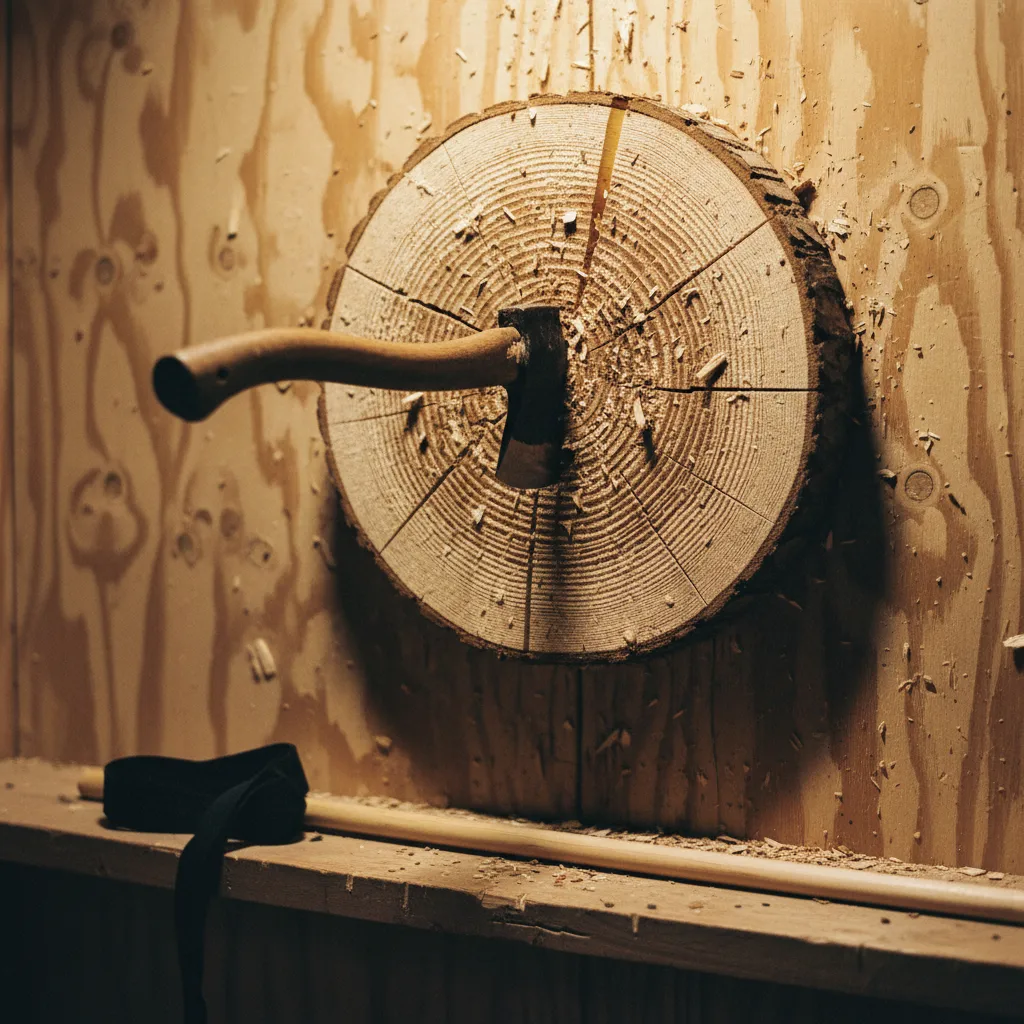
A Chinatown axe throwing group night picker is a fun way to reward a martial arts class that has spent months drilling the same stances over and over. Your sifu has corrected your feet a hundred times, you have finally stopped wobbling in horse stance and the class has grown from a room of strangers into a group that bows in together every week. Yet most of you have never shared anything beyond the training floor and a quick goodbye at the door. An axe night changes that. Throwing rewards the same things kung fu teaches, a rooted stance, a calm breath and a smooth release, so classmates get to see their training pay off somewhere unexpected. Los Angeles Chinatown makes a natural home base for the evening, with its lantern-lit plazas, old family associations and late-night food. This guide walks through planning the outing, running games inspired by class drills and ending the night with a slow walk and a shared table.
Why a Kung Fu Class Fits the Axe Lanes
Martial arts students already understand that power comes from the ground up. In class you learn to sink your weight, keep your knees soft and let the movement travel from your legs through your core and out through your hands. A good axe throw works almost the same way, which is why classmates often pick it up faster than they expect.
There is also a quieter reason. Training is serious, with structure, etiquette and a teacher at the front of the room. A night on the lanes lets the same people be silly with each other. The senior student who never smiles in class might cheer loudest, and the beginner who struggles with forms might stick the first bullseye of the night.
Inviting the Class and the Sifu
Bring the idea up after a class, when everyone is stretching and relaxed. Ask whether the teacher would like to join, since many instructors enjoy seeing students outside the hall, but keep it low pressure if they prefer to stay home. A short group chat helps collect names and figure out who wants dinner afterward.
Pick a night when the class does not train the next morning, so nobody worries about sore shoulders before a session. A group of six to twelve feels right for most community classes, big enough for team games and small enough to keep conversation together.
Picking Lanes That Suit a Training Group
When you compare venues, ask about private or side-by-side lanes so the class can stay in one place. A coach who walks the group through grip and footwork is worth asking for, because it frees your organizer from running the session and keeps the night safe for first-timers.
Martial artists tend to arrive in comfortable clothes, so closed-toe shoes are the main thing to remind people about. Look for a place with space to sit between rounds, since some classmates will want to watch and study technique while others throw back to back.

Games Borrowed From Class Drills
Once the coach finishes the safety talk and warm-up throws, turn class rituals into games. Start with a stance round, where each thrower has to hold a steady, rooted posture for a breath before releasing. The group judges the posture as much as the result, and the sifu, if present, gets the final word.
Next, try a forms ladder. Each correct hit lets a team move up one rung, and a miss sends them down, the same way a class progresses through a sequence of movements. For a final round, call it the quiet hand. Throwers must release on a slow exhale, with the rest of the group silent until the axe lands. It turns a loud room into a moment of focus, and the cheers afterward feel twice as big.
Technique Notes for First-Time Throwers
Most coaches will start beginners with two hands on the handle. Stand with feet about hip width apart, raise the axe straight above your head and bring it forward in one long, smooth arc, letting go when your arms point at the target. Think of it like a controlled downward strike rather than a punch.
If the blade bounces off, the axe has turned too much or too little in the air. Step a small distance forward or back and try again. Classmates who are used to fine adjustments from their teacher will recognize the process, one small correction at a time.
Respect on the Lanes
The etiquette you practice in class carries straight over. Only one thrower stands at each target, everyone else waits behind the line, and nobody walks forward until all axes are still. Retrieve axes together, carry them blade down and hand them over by the handle, the same care you give a training weapon.
Keep drinks at the seating area and listen when the coach speaks. A class that already bows in and out of the hall usually needs no reminders, which makes the evening relaxed for everyone, including the staff.
Arriving and Walking Through Chinatown
If people are coming from different parts of the city, Chinatown is easy to reach by the Metro A Line, which lets the group skip parking and meet at the station. From there, a short walk through the neighborhood sets the mood before or after the lanes.
Wander through the central plaza with its strings of lanterns, past old storefronts, small temples and the family association buildings that have anchored the community for generations. Point out the dragon details on the rooftops and the quiet courtyards. For students who train in a tradition that came from southern China, walking these blocks feels like a gentle link to the roots of the art.
A Shared Table After the Lanes
Finish the night with a meal that matches a class that likes to share. Chinatown has places for noodles, roast meats, dumplings and family-style dishes on a lazy Susan, which suits a group that wants to pass plates and keep talking. Order a few large dishes for the middle of the table and let everyone try a little of each.
If the teacher came along, offer them the first serving, a small gesture of respect that fits class tradition. Talk about why each person started training, which form they find hardest and what they hope to learn next. Those stories rarely come out on the training floor.
Turning One Night Into a Class Tradition
Many groups end the evening already planning the next one. Make it a seasonal outing, or tie it to a class milestone like a new sash or a demonstration. Keep a record of the stance round winners in the group chat so there is a friendly rivalry to settle next time.
The real win is what happens back in the hall. Classmates who shared a laugh and a meal train with more trust, help each other with corrections and stay after class a little longer.
Planning Help From Karpo
When the class wants options, open the Karpo APP and ask about group-friendly axe throwing lanes around Chinatown, late dinners for a big table or an easy walking route through the plazas. Treat the ideas as a short list and check the details directly with each place before the group heads out.
Ask Karpo for more information.
Keep reading
- Sawtelle Bowling Group Night Planner for a College Reunion
 Larchmont Bowling Group Night Planner for Carpool Parents
 Boyle Heights Bowling Group Night Planner for a Quince Court