 Burbank Film Memorabilia Collector Shop Walk: Studio Stash
Hidden Gems & Odd Finds
LA Artisan Pottery Gallery: Slow Studio Visit Plan
Plan a calm LA artisan pottery gallery visit without rushing, using Karpo APP to frame your time, compare forms, and choose one useful studio experiment.
An artisan pottery gallery visit in Los Angeles does not need a packed itinerary to be productive. A calmer plan gives you time to notice scale, negative space, and the way a cluster of handmade forms changes as you move. Use Karpo APP to describe the pace you want, your available window, and the kind of ceramic question you are carrying. Treat the outing as a deliberate field note: observe, compare, record context, and decide what deserves a second look later. A slow visit also gives you a useful way to handle uncertainty. If a form catches your eye but you cannot explain why, describe the shape, spacing, and viewing distance before looking for an interpretation. If a label answers part of the question, add the exact context and leave the rest open. This sequence protects the artist’s work from being reduced to a technique lesson and protects your own practice from borrowing a conclusion you have not earned. When you leave, you should know which observation deserves another hour at home and which one was simply a beautiful moment in that room. Both can matter, but they are different kinds of information.
Name the Pace You Need
Begin by choosing a pace instead of a list. ‘Quiet looking for ninety minutes’ produces a different outing from ‘visit three shops before lunch.’ Decide whether you need room for sketching, conversation, or simply a clear head after a busy week. Then choose one question about proportion, texture, or arrangement. A realistic pace protects attention. It also gives you permission to leave an object unresolved rather than forcing an opinion before the next visitor moves through the room.
Describe Your Constraints in Karpo APP
In your Karpo APP request, include the neighborhood you are starting from, the time you can stay out, and any practical limits such as transit, mobility, or carrying purchases. Say whether you are researching exhibition design, considering a gift, or gathering references for your own making. Karpo’s public language about mood and schedule supports this kind of planning prompt. It does not supply guaranteed opening hours, live inventory, booking confirmation, or a claim that every suggested stop is a gallery.
Take a Slow First Look
Give the room a full circuit before choosing a favorite. Notice which works pull you from across the space and which only become interesting at arm’s length. Look for changes in density, repeated shapes, and pauses between groups. If people are browsing, stand where you do not block a case or narrow aisle. A slow first look is a practical queue tactic as much as an aesthetic one: it lets traffic settle and helps you select a study object without hovering beside it.
Study Weight Through Outline
Use a quick outline to test how a vessel carries visual weight. Trace the widest point, the smallest opening, and the line where the base meets the support. Then step back and ask whether the drawing still communicates stability. Avoid guessing whether the maker used a wheel, slab, coil, mold, or a combination. The outline tells you about perception, not process. If a label supplies technique, record that separately and attach it to the named work.
Notice the Quiet Details
On a calm visit, small details become easier to see: an uneven edge, a change in sheen, a glaze break at a ridge, or a shadow beneath a foot. Choose one detail and write what it changes in the whole object. Skip the temptation to treat every mark as intentional symbolism. Some details may come from use, firing, handling, or display. Precision means describing what is present and keeping your explanation proportional to the evidence.
Test the Room From Three Distances
View one piece from across the room, from the normal browsing distance, and from close enough to read its surface. Record the first feature you notice at each distance. A form that reads as a simple column far away may become asymmetrical up close; a noisy texture may disappear when you step back. This three-distance test makes your notes useful for display planning without claiming that a particular plinth height or light level is universally correct.
Use Context as a Guardrail
Read the supplied context before building a story around the work. A title, date, material note, or artist statement may narrow what can responsibly be said. Keep a margin in your notebook for ‘known,’ ‘seen,’ and ‘still unclear.’ That separation is especially helpful when an object resembles a familiar tradition. You can appreciate a visual connection while avoiding a sweeping claim about origin, influence, or intention that the exhibition does not make.
Plan a Small Shopping Decision
If you are considering a purchase, define the decision before browsing prices or sizes. Are you looking for a daily-use cup, a sculptural accent, or a gift that can travel safely? Note the dimensions and care questions you need to ask, but do not write a price unless the current seller information is in front of you. If a piece is unavailable, record the qualities you liked rather than treating a substitute as equivalent. A clear brief reduces impulse buying and makes the visit feel complete.
Use the Neighborhood as a Reset
A short walk after the gallery can help separate the work from your immediate reaction. Describe one object without adjectives, then describe the feeling the display produced. You can stop at a public space or another quiet indoor place, but do not add a second exhibition merely to fill time. If weather, traffic, or fatigue changes the plan, tell Karpo APP the new constraint and request a shorter alternative rather than pushing through a schedule that no longer fits.
Choose the Experiment, Not the Souvenir
Back in the studio, translate one observed effect into a question that belongs to you. Maybe a soft shoulder made a large vessel feel approachable, or a narrow gap made two ordinary shapes read as a pair. Build a small test with your own material and intent. Keep the experiment separate from the gallery object’s identity. The goal is not to recreate a signature form; it is to learn what your own decisions do when one variable changes.
Practical Notes for an Unhurried Outing
Save the request, your time block, and the three observations in one note. Bring a pencil, water, and a notebook that can stay open without blocking a display. Follow instructions about touching, bags, and images. If you feel rushed, stop at the strongest comparison and leave with a next question. A successful visit can be brief. What matters is the quality of the evidence you carry home and the clarity of the action you choose afterward.
Ask Karpo for more information.
Keep reading
- Burbank Film Memorabilia Collector Shop Walk: Studio Stash
 Pasadena Film Memorabilia Collector Shop Walk: Classic Route
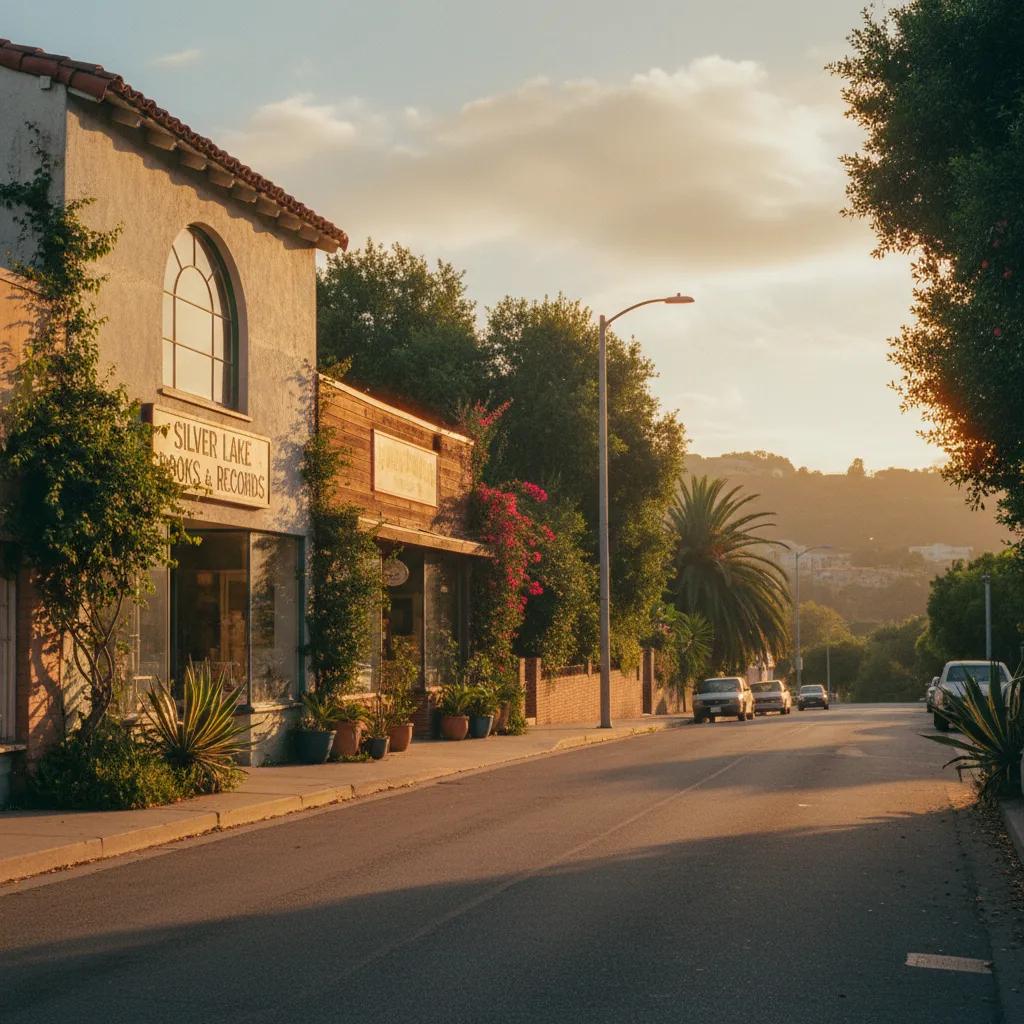 Silver Lake Film Memorabilia Collector Shop Walk: Indie Lore