 Burbank Film Memorabilia Collector Shop Walk: Studio Stash
Hidden Gems & Odd Finds
LA Artisan Pottery Gallery: 3 Lenses for Studio Research
Use an LA artisan pottery gallery visit for studio research with three lenses: construction, presentation, and context, then develop your own next experiment.
Three lenses can turn an LA artisan pottery gallery visit into useful studio research: construction, presentation, and context. Look at what an object seems to be doing, how the display affects your reading, and what information supports an explanation. Then translate one observation into a question for your own practice. This is a method for arranging attention, not a technical lesson on reproducing a work or a claim that looking alone can establish how an artist made it.
Choose a Research Question Before Choosing a Room
Start with a problem you are already thinking about in your own work. Perhaps a form feels heavy, a join distracts from a silhouette, or an arrangement changes when its elements move apart. Keep the question narrow enough that one visit could help you see it differently. Avoid asking an exhibition to solve every part of a project. You will get more from a focused comparison than from collecting many attractive images without knowing which problem they might illuminate after you return to the studio.
Describe the Research Task in a Going-Out Request
Ask the Karpo APP for a Los Angeles ceramic-art outing tied to your interest, starting area, and available time. Explain that you want to observe sculptural construction or presentation rather than attend a beginner class or shop for tableware. Karpo's public introduction describes finding things worth seeing and working around a schedule. Those statements support using the app to begin the outing conversation. They do not establish the technical content of a current show, an artist's willingness to discuss process, or permission to document work in a particular space.
Lens One: Follow the Form Before Naming the Process
Study where the work changes direction, where mass gathers, and how an opening affects the outline. Describe what is visible without immediately deciding that it was thrown, coiled, cast, or assembled in a particular way. A finished surface can conceal construction, and an exposed mark does not explain every stage. If the exhibition provides a process description, connect it to the specific object it concerns. Keep your initial visual account alongside that explanation so you can see which parts of your reading came from observation and which came from supplied information.
Notice a Join Without Inventing a Recipe
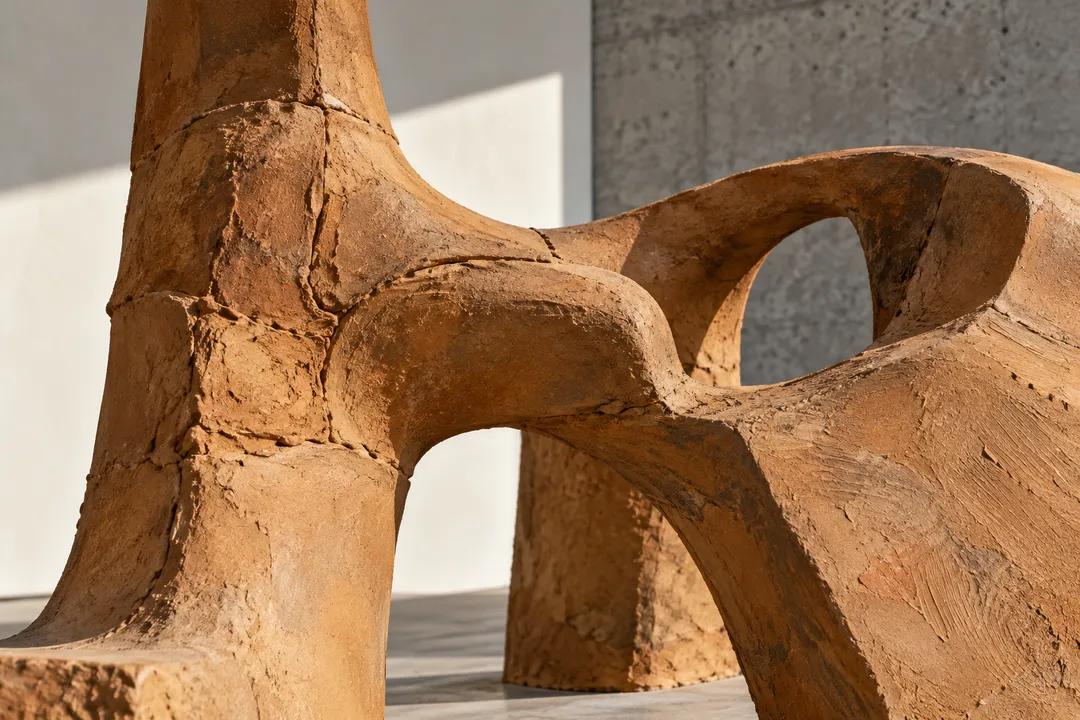
When a seam or connection interests you, ask what effect it has on the whole form. Does it emphasize a transition, interrupt a curve, or create a repeated rhythm? Those are questions you can explore from the viewing area. Exact clay bodies, joining methods, firing schedules, and structural decisions require more evidence than appearance alone. Record an unresolved technical question rather than constructing a plausible recipe. A gallery visit can sharpen the question you take to an instructor or your own controlled experiment without pretending to replace hands-on technical guidance.
Lens Two: Treat the Display as Part of the Encounter
Look at the relationship between object, support, surrounding space, and the height from which you see it. A work on a low plinth asks for a different viewpoint from one at eye level. Note the encounter you actually have rather than assuming the arrangement is a universal recommendation for your own work. Lighting and spacing can shape attention, but an observation about this room is not evidence that a particular installation method is safe, available, or appropriate in another setting.
Compare a Pair Instead of Collecting Everything
Choose two works that make your research question more specific. They might handle a similar curve differently or create different effects at a comparable scale. Describe one meaningful difference and one unexpected similarity. A pair is useful because it forces a concrete comparison without turning the visit into an inventory. You do not need to decide which is better. The important result is being able to explain which choice might matter to the question you brought, while recognizing that the artists may have been working toward entirely different aims.
Lens Three: Read What the Exhibition Actually Says
Use titles, labels, artist statements, or other supplied material to learn the context the exhibition offers. Distinguish a statement about an artist's broader practice from one about the particular object in front of you. If a description refers to a place, tradition, or experience unfamiliar to you, preserve that context rather than reducing the work to a visual effect you want to borrow. An honest research note can include what you do not understand yet. That uncertainty identifies further reading instead of filling the gap with an invented story.
Make Documentation Serve the Question
Follow the room's instructions for notes, sketches, and photography. If photographs are permitted, choose the view that relates to your research rather than assuming you need every angle. Retain artist and work identification when supplied, especially if an image will later enter a personal reference collection. Do not imply that your study image is your own artwork or that access grants unrestricted publication rights. If documentation is not appropriate, write a short recollection after leaving and mark which details are uncertain instead of polishing memory into a false factual account.
Translate the Observation Into Your Own Experiment
Back at your workspace, separate an effect you noticed from the particular work that produced it. For example, you might want to explore how a repeated opening changes a silhouette, using your own forms, proportions, materials, and purpose. State the experiment as a question you can investigate rather than a goal to recreate another artist's piece. Use suitable instruction for any process you do not know. The gallery research can influence what you test, but it cannot establish the technical requirements or outcome of an untried making method.
Keep the Reference Trail With the Idea
Store the identification and context beside your observation, rather than saving an unattributed image that later loses its connection to the artist. When you describe the influence in a project note or portfolio discussion, be clear about what you learned and what you developed independently. Avoid suggesting collaboration, endorsement, or direct teaching when none occurred. Thoughtful attribution makes your own decisions easier to explain because it shows the path from an encounter to a new question, instead of allowing a borrowed visual idea to appear as if it arrived without context.
Practical Notes: Research Ends With a Testable Question
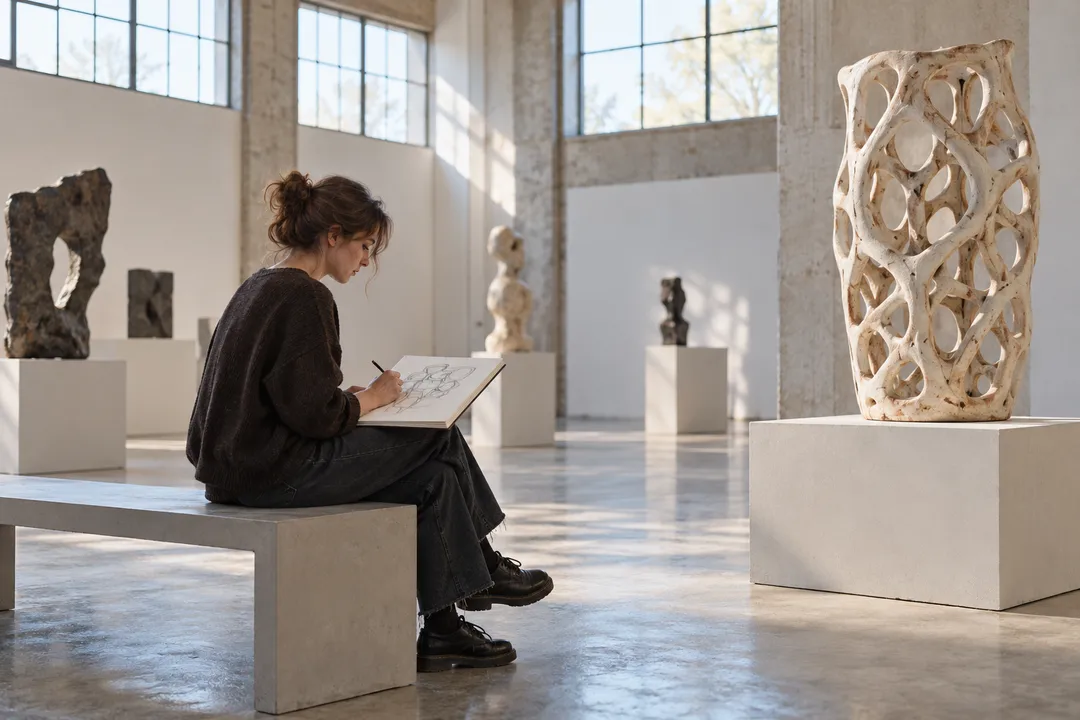
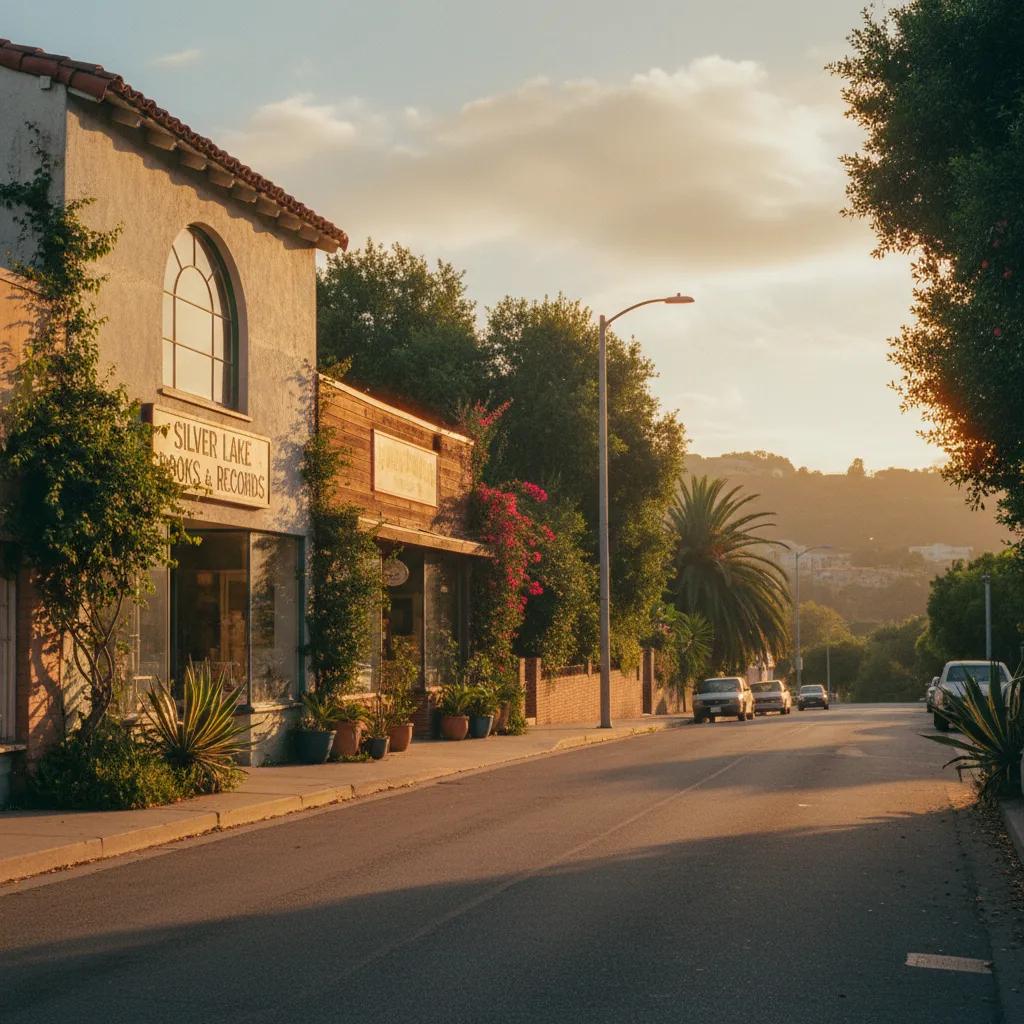
Leave the visit with one construction observation, one display observation, and one contextual point you can accurately support. Then choose a single next experiment or reading task. Skip a second gallery when it would add more material without helping that decision. If another outing would answer a different question, describe that new need in your next Karpo APP request. The photographs on this page are anonymous research-scene illustrations, not records of a named artist's process, an actual exhibition, or a technique you should reproduce from an image.
Ask Karpo for more information.
Keep reading
- Burbank Film Memorabilia Collector Shop Walk: Studio Stash
 Pasadena Film Memorabilia Collector Shop Walk: Classic Route
 Silver Lake Film Memorabilia Collector Shop Walk: Indie Lore