 Burbank Film Memorabilia Collector Shop Walk: Studio Stash
Hidden Gems & Odd Finds
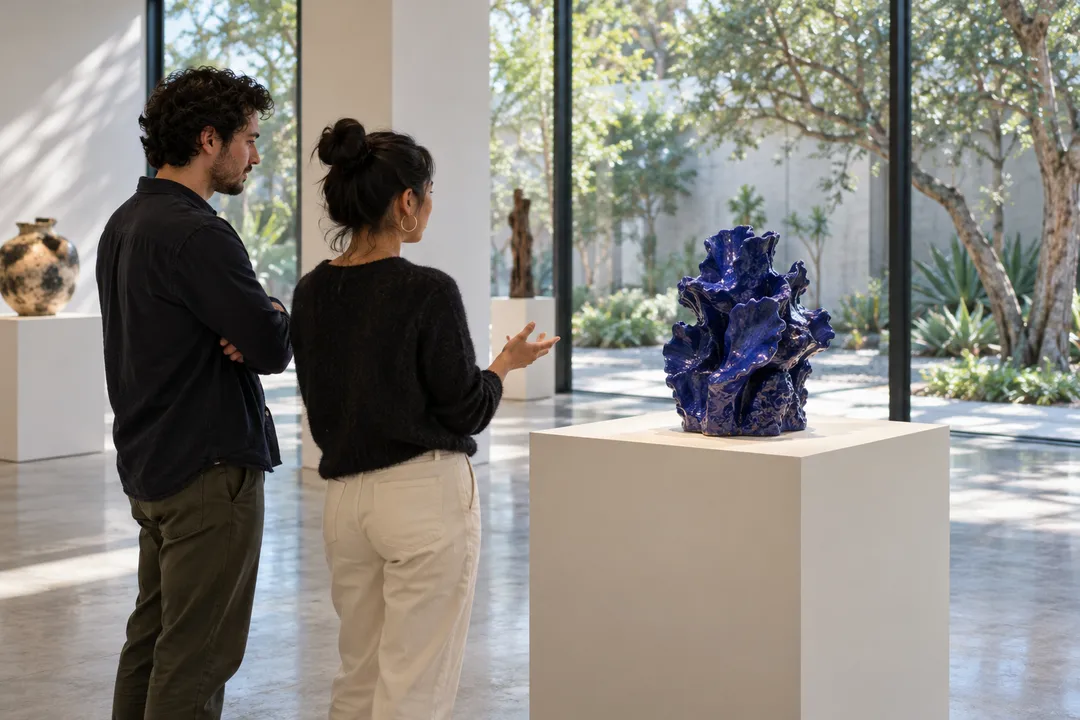
LA Artisan Pottery Gallery: 4 Choices for an Art Date
Plan an LA artisan pottery gallery date around four choices: how you look, how you talk, how long you stay, and what you both want after the art stop.
An LA artisan pottery gallery date needs four shared choices: how you want to look, how much you want to talk, when to leave, and what comes afterward. Agreement on those basics matters more than agreement on a favorite artist. A visit can give two people something concrete to discuss without requiring either person to perform expertise. Decide whether the outing is meant to be quiet, conversational, or exploratory before you ask for a place to go.
Begin With the Kind of Time You Want Together
Tell each other what would make the date feel comfortable. One person may want an easy activity after work, while the other imagines an extended afternoon of art. Neither preference is a flaw, but leaving the difference unstated can make the plan tiring. Choose a scale you can both enjoy, and let a single ceramic-art stop carry the main idea. If one person has little interest in galleries, a shorter visit with a genuinely shared second activity may suit the occasion better than a full art itinerary.
Write a Brief That Includes Both People
Use the Karpo APP to describe a Los Angeles outing for two, including the starting area, available time, and the kind of atmosphere you want. A sample request might ask for ceramic art that gives you something to talk about, with one manageable destination and room afterward for conversation. Karpo's public description supports starting with mood and working around a schedule. Frame your preferences as a request, without assuming the app has secured entry, reserved a table, or established the social atmosphere of an unnamed venue.
Choice One: Together or Separately for the First Look?
Some people enjoy walking through a room side by side, while others prefer a few moments of independent attention. Agree on a loose approach before one person feels left behind. You could each choose an object and then bring the other person to it, provided the space and visitor rules allow that movement. The exercise gives both people an active role. It also removes the pressure for one companion to lead every interpretation or keep producing conversation while the other is still looking.
Offer an Observation Before a Verdict
When you compare choices, begin with what caught your eye. You might point to the way an opening changes from the side or how a small form sits beside a larger one. Those observations give your companion something visible to respond to. A verdict such as good or boring can end the conversation before it begins, especially if it sounds like a test of taste. You can still dislike a piece, but saying why leaves room for a useful difference rather than an argument about who understands art.
Choice Two: Which Questions Invite an Answer?
Try asking what someone noticed first, what surprised them after a closer look, or which object they would revisit. Avoid turning the date into an interview with a fixed list of prompts. One sincere question is enough to open a conversation, and silence is not a problem that requires immediate repair. Let the work supply a subject when it does. If the room is quiet or crowded, save longer exchanges for later rather than making the exhibition serve as a private conversation space.
Keep Personal Impressions Apart From Artist Claims
A sculpture can remind you of a landscape or a memory without the artist having intended that connection. Present the association as your own and invite your companion's. When you want the artist's stated context, use the information actually supplied with the work. This distinction keeps the conversation playful without manufacturing explanations. It can also make disagreement easier: two responses can coexist when neither person is claiming to possess the only factual reading of what an artist meant.
Choice Three: Make Leaving Easy for Either Person
Choose a broad stopping point that does not require finishing every display. Ask each other whether you want another few minutes after the main room or whether the visit feels complete. An easy exit matters when energy, comfort, or interest changes. Do not use the ticket price or the effort of getting there as an obligation to stay longer than either person wants. This is a suggestion for coordinating your date, not a statement that a particular venue offers re-entry, timed sessions, or refunds.
Keep Buying Out of the Social Obligation
A piece on sale can become an interesting conversation, but an art date does not need a souvenir to prove that it went well. If one of you wants to buy something, give that decision its own space. Ask the seller about the exact object and transaction instead of relying on a companion's enthusiasm as product advice. Avoid turning a surprise purchase into a responsibility for the other person, especially when size, transport, or care has not been discussed. Looking together and buying together are different activities.
Choice Four: What Happens After the Gallery?
Decide whether you want to keep discussing the art, change the subject over a meal, or end the date after the visit. The answer can shape the area you choose without forcing a second booking into the first plan. If you want another stop, describe its role in a follow-up request: somewhere to sit and talk near your actual finishing location, for example. Avoid assuming that the nearest business is suitable just because it appears close on a map. A useful continuation fits both people's energy and the time available.
Use a Difference in Taste to Refine the Next Outing
Afterward, name one thing each of you would like more of next time. Perhaps one person enjoyed bold sculptural forms while the other preferred the quieter arrangement of functional vessels. You can seek an outing with room for both interests, or alternate who chooses the focus. Add those concrete preferences when you ask Karpo for another plan. This is a way to make the conversation more informative; it does not claim that the product automatically stores a shared taste profile or predicts how either person will respond to a show.
Practical Notes: A Date Is Allowed to Stay Small
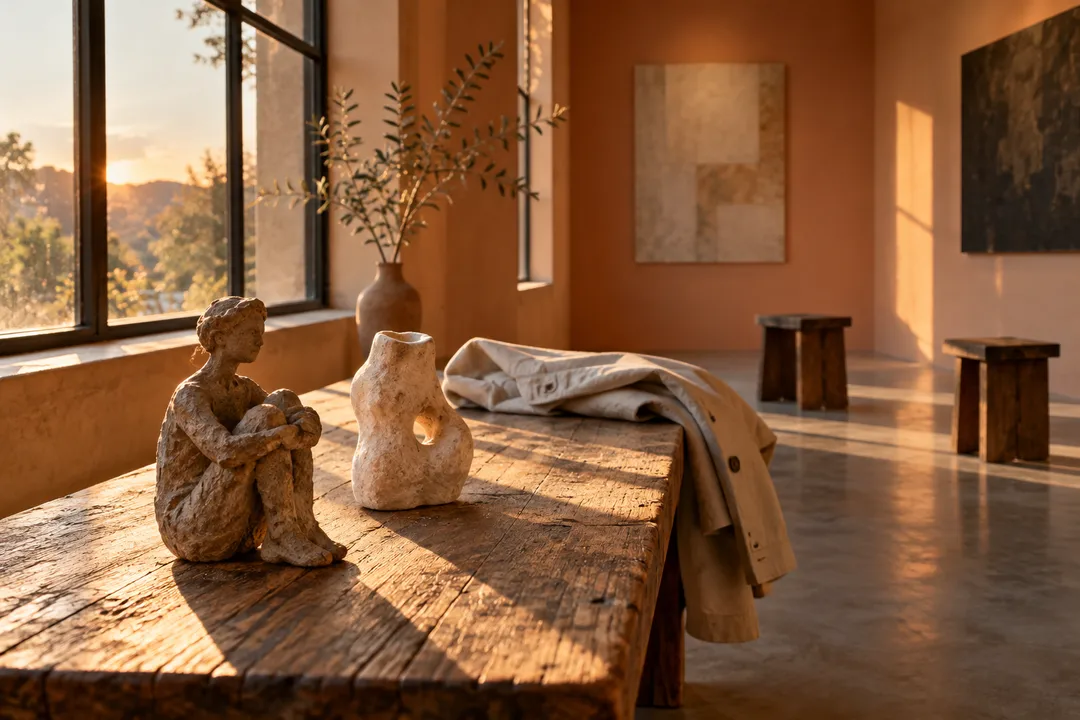
Bring a starting area, a comfortable time limit, and one agreed purpose to the planning conversation. In the gallery, give each person room to look and speak, respect the venue's instructions, and leave without needing to exhaust the exhibition. Skip a second art stop if it turns shared time into an obligation. The four choices are complete when both people understand the plan, including its ending. Photographs here illustrate an anonymous art-date setting rather than a particular LA venue, confirmed exhibition, or available reservation.
Ask Karpo for more information.
Keep reading
- Burbank Film Memorabilia Collector Shop Walk: Studio Stash
 Pasadena Film Memorabilia Collector Shop Walk: Classic Route
 Silver Lake Film Memorabilia Collector Shop Walk: Indie Lore